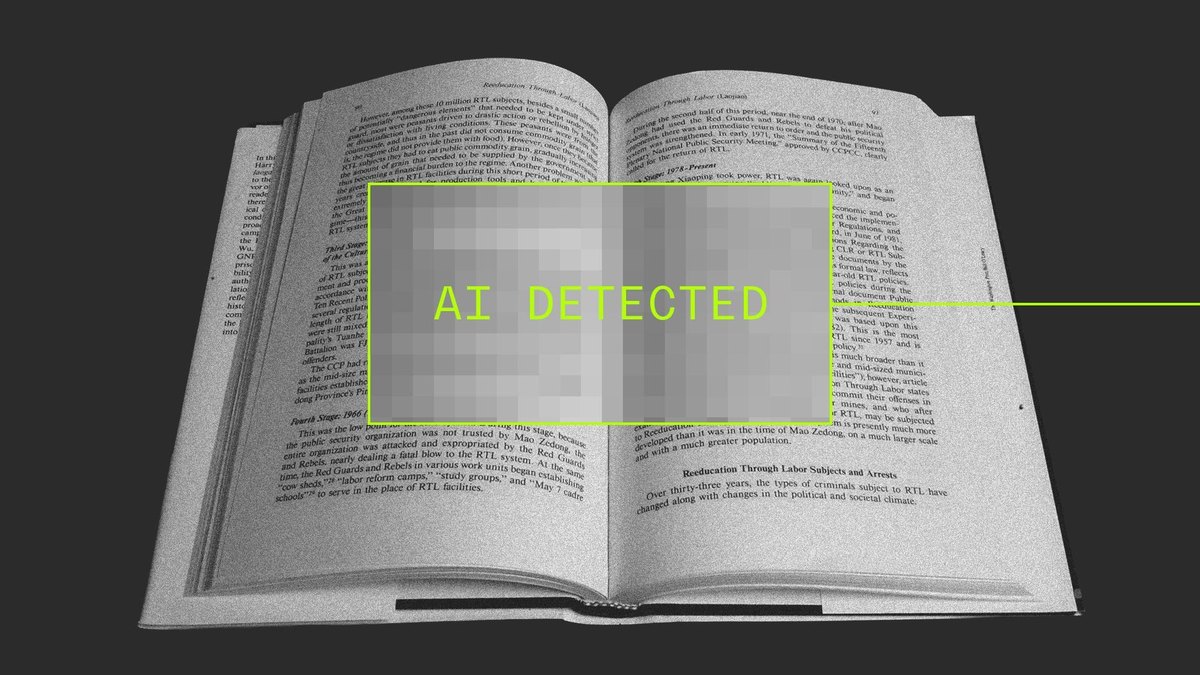
Qalabka ogaada qoraalka AI waxay abuurayaan xilli cusub oo shaki iyo aan kalsooni ah
Macallimiin, jaamacado iyo qof shaqo bixiya ayaa adeegsanaya aaladaha ogaada AI inkastoo ay shirkadaha sameeyayaashu qiraan inaysan sax ahayn
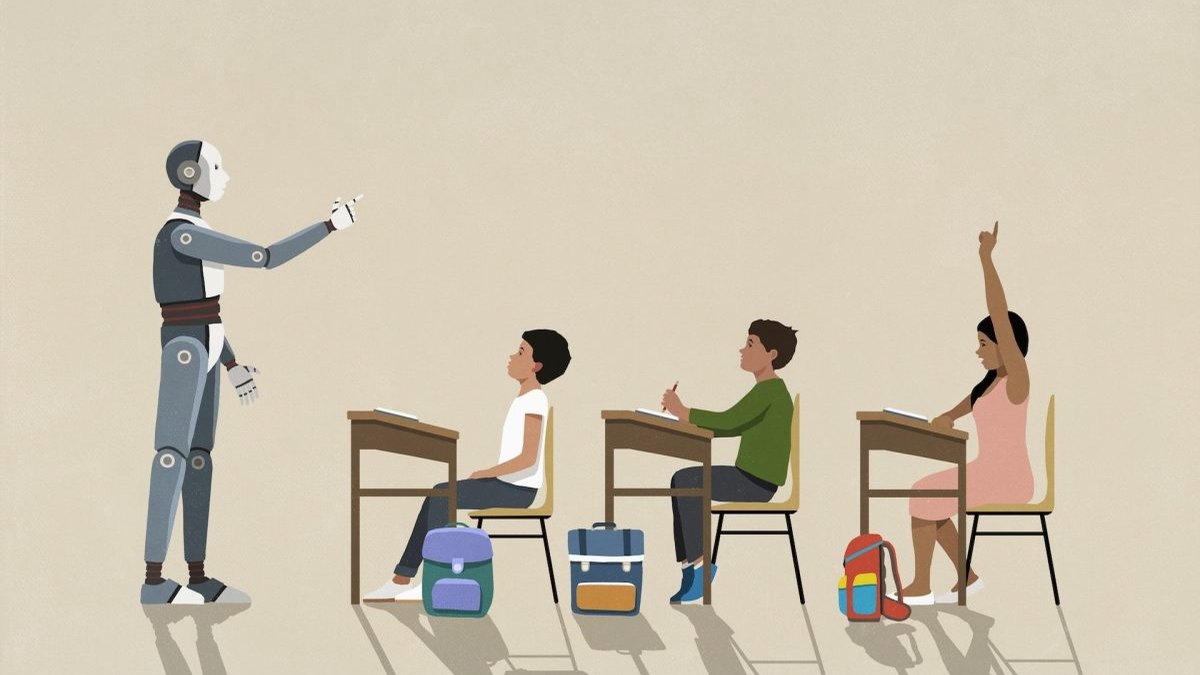
Sahaminta qoraalka ay sameeyeen AI waxay keentay tuhun cusub oo ka dhex jira bulshada. Daraasad muujisay in 43 boqolkiiba macallimiinta Mareykanka ee fasallada 6aad ilaa 12aad ay isticmaaleen qalabkaas intii u dhaxaysay 2024 iyo 2025. Jaamacado badan ayaa xaddiday isticmaalkooda.
Isticmaalka iyo eedeymo dhacay
Sahanka ay samaysay Xarunta Dimuqraadiyadda iyo Teknoolajiyada ayaa muujisay in 43 boqolkiiba macallimiinta Mareykanka ee fasallada 6aad ilaa 12aad ay si joogto ah u isticmaaleen qalabka ogaada AI intii u dhaxaysay 2024 iyo 2025. Qaar ka mid ah jaamacadaha adeegsaday Turnitin ayaa arkay in qalabka ogaanshaha uu si toos ah u shaqeeyay markii la bilaabay 2023.
Daabacaha Minotaur wuxuu joojiyay heshiis buug oo dhan 2 milyan doolar kadib shaki ku saabsan in qoraaga Jerry Falade uu adeegsaday AI, kaas oo uu si adag u diido. Thierry Rignol oo u dhashay Faransiiska ayaa dacwayday Yale sanadkii hore kadib eedeymo ku saabsan isticmaalka AI, taas oo keentay dib u dhac.
Khilaafaadka iyo digniinaha shirkadaha
Daraasad 2023 ay sameysay Stanford ayaa ogaatay in qalabka ogaada AI ay si khaldan u calaamadiyeen qoraallada dadka Ingiriiska aan hooyo u ahayn inay yihiin AI marka loo eego kuwa u dhashay. OpenAI xitaa way xidhay qalabkeeda ogaanshaha 2023 sababtoo ah saxnaan hoose.
Turnitin waxay qiratay in qalabkeedu "may not always be accurate" uuna ahayn mid loo isticmaalo tallaabo ka dhan ah ardayga. Grammarly waxay digtay in isticmaalaha "should never rely on the results of an AI detector alone", GPTZero-na waxay tiri "no AI detector can ever truly be 100% perfect".
Xaddidaad jaamacadeed iyo tillaabooyin bulsho
Jaamacadda Yale, Johns Hopkins, Vanderbilt, Georgetown iyo kuwa kale ayaa joojiyay ama xaddiday isticmaalka qalabka ogaada AI. Machadka Teknoolajiyada ee Massachusetts wuxuu digayaa in "AI detectors don't work".
Substack waxay dhex dartay Pangram si loo baaro bogagga, LinkedIn-na waxay ku dartay badhan "seems like AI slop". Ururka Authors Guild wuxuu siiyaa shaqsiyaadka qoraalka "Human Authored" si ay uga hortagaana eedeymo. Wikipedia waxay mamnuucday maqaallada AI.
AI detection tools are reshaping how educators and publishers verify originality, yet their accuracy remains widely disputed. A 2024 survey found that 43 percent of US teachers now regularly use these tools, even as universities and tech companies warn they are unreliable.
Rising Adoption Amid Growing Skepticism
A 2024 survey by the Center for Democracy and Technology found that 43 percent of sixth to 12th grade teachers in the US regularly used AI detectors between 2024 and 2025. Some universities already using Turnitin in their learning management systems found that the service automatically enabled AI detection when the tool launched in 2023.
Despite this rapid uptake, major institutions have pushed back. Yale University, Johns Hopkins University, Vanderbilt University, Georgetown University, and others have disabled or restricted the use of AI detection tools. The Massachusetts Institute of Technology also warns that AI detectors don't work.
High-Profile Accusations and Legal Battles
The controversy has spilled into the public eye. Last month, the publisher Minotaur dropped a $2 million book deal over concerns that its author, Jerry Falade, used AI. Thierry Rignol, a French national, sued Yale last year after a professor accused him of writing portions of his final exam with AI, resulting in a failing grade and a one-year suspension.
In February, a student at Adelphi University won a lawsuit against the school after his professor similarly claimed he used AI to write an essay. Ozzy Osbourne's son, Jack, accused journalist Kat Tenbarge of using AI to write an article for Rolling Stone, flaunting detector results as proof.
Tools Warn of Their Own Limitations
Even the creators of these tools acknowledge their flaws. Turnitin maintains that its tool may not always be accurate and shouldn't be used to take actions against a student. Grammarly warns that users should never rely on the results of an AI detector alone, while GPTZero says no AI detector can ever truly be 100% perfect.
A 2023 Stanford study found that AI detectors falsely flagged essays written by non-native English speakers as AI more often than native speakers. OpenAI even shut down its own AI writing detector in 2023 due to low accuracy.