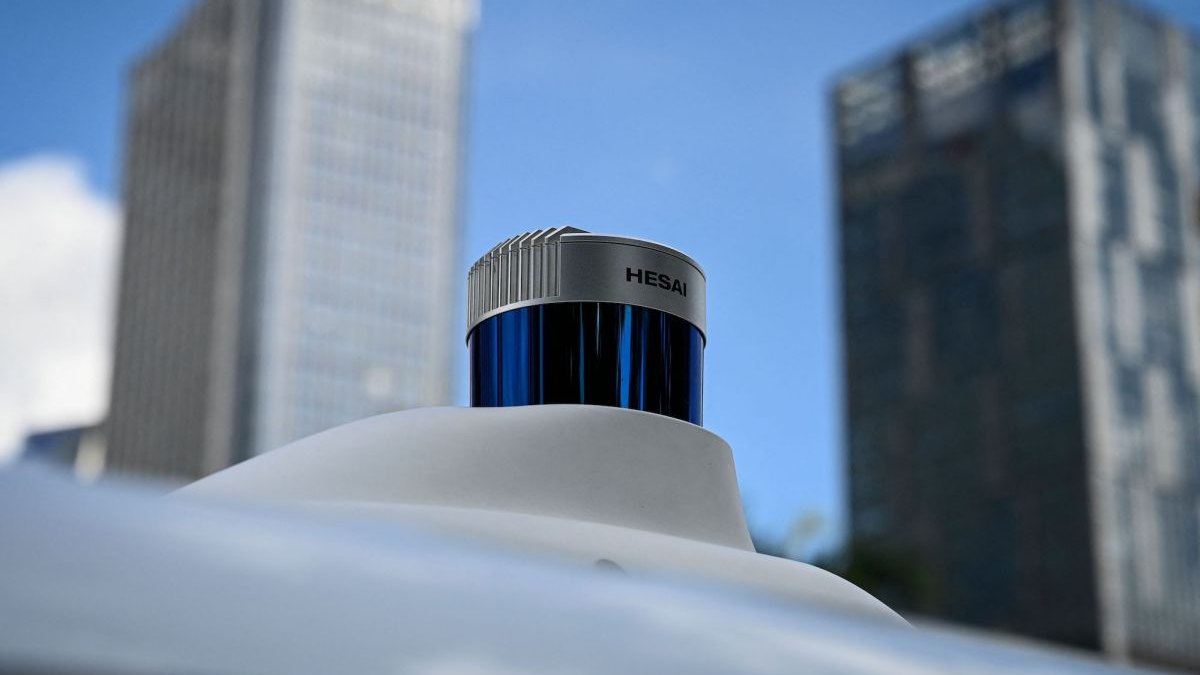
Xarun Dowladda Mareykanka oo Baaraysa Cillidaha Amniga ee LiDAR-ka Shiinaha
Xarunta Tacliinta iyo Kheyraadka Dowladda Mareykanka ee Idaho National Laboratory waxay ku baaqday baaritaan ku saabsan khataraha amniga ee LiDAR-ka Shiinaha, gaar ahaan haddii loo isticmaalo gaadiidka dalka Mareykanka.
Baaritaanka Xarunta Idaho
Xarunta Idaho National Laboratory waxay ku baaqday baaritaan ku saabsan khataraha amniga ee LiDAR-ka Shiinaha, gaar ahaan haddii loo isticmaalo gaadiidka dalka Mareykanka. Baaritaankan waxaa lagu sameeyay iyadoo la raacayo talooyin ka yimid shirkadaha gaadiidka elektirigga ah iyo kuwa gaadiidka awoodda leh.
Shirkadaha sida Rivian, General Motors, Ford, Lucid Motors, Nuro, iyo Uber waxay sheegeen inay aysan ogayn baaritaankan. Halkaas, shirkadaha sida Nvidia, Zoox, iyo Aurora waxay ka jawaabeen su'aalaha la weydiiyay inay ka qayb qaadanayaan baaritaanka.
Khataraha Amniga ee LiDAR-ka
Omer Keilaf, hoggaamiyaha shirkadda Innoviz ee Israel, wuxuu sheegay in LiDAR-ka Shiinaha uu noqon karo mid la xiro si buuxda, taas oo keeni karta in gaadiidka ay isku dayaan inay u istaagaan. Sidoo kale, wuxuu sheegay in macluumaadka LiDAR-ka laga soo saari karo si fudud.
Keilaf wuxuu intaas ku daray in LiDAR-ka Shiinaha uu noqon karo mid la xiro si buuxda, taas oo keeni karta in gaadiidka ay isku dayaan inay u istaagaan. Sidoo kale, wuxuu sheegay in macluumaadka LiDAR-ka laga soo saari karo si fudud.
Dhaq-dhaqaaqa Siyaasadda
Senator Tammy Baldwin (D-WI) iyo Senator Ted Budd (R-NC) waxay hogaamineysaa qorshaha lagu xakameynayo amniga gaadiidka Mareykanka. Baldwin waxay sheegtay in LiDAR-ka Shiinaha uu noqon karo mid khatar ah amniga dalka Mareykanka.
Sidoo kale, Congressman John Moolenaar (R-MI) wuxuu sheegay in LiDAR-ka Shiinaha uu noqon karo mid la xiro si buuxda, taas oo keeni karta in gaadiidka ay isku dayaan inay u istaagaan. Sidoo kale, wuxuu sheegay in macluumaadka LiDAR-ka laga soo saari karo si fudud.
A Department of Energy laboratory is examining whether Chinese lidar sensors could pose a security threat if widely adopted in American vehicles, as lawmakers push for bans on the technology.
Idaho National Laboratory Launches Security Review
The Idaho National Laboratory is conducting a review into the potential security risks of Chinese lidar sensors in the United States, according to two anonymous sources. The research is being funded by one or more companies in the electric and autonomous vehicle industries, though the specific backers remain undisclosed. Idaho National Laboratory declined to comment on the review, stating it is not a project they can discuss with reporters.
Representatives from Rivian, General Motors, Ford, Kodiak, Lucid Motors, Nuro, and Uber told TechCrunch they were unaware of the review. Nvidia, Zoox, and Aurora did not respond to questions about their involvement. China's leading lidar suppliers, Hesai and RoboSense, also did not respond to multiple requests for comment.
Cybersecurity and Espionage Concerns Mount
Omer Keilaf, CEO of Israeli lidar company Innoviz, highlighted two major cybersecurity risks. He warned that sensors could be disabled en masse, disrupting vehicles in motion and bricking those that are not. He also said it is possible to compress the detailed data lidar sensors collect and transmit it via a cellular chip, noting that extracting such information is not difficult.
Senator Tammy Baldwin (D-WI) is spearheading the Securing Infrastructure from Adversaries Act with Senator Ted Budd (R-NC), expressing concern that Chinese lidar technology could be used for military or industrial espionage. Congressman John Moolenaar (R-MI) co-sponsors a different bill aimed at banning Chinese lidar, warning that back doors could transmit information to Chinese Communist interests.
Cost Decline Drives Adoption Amid Regulatory Uncertainty
The cost of lidar has dropped dramatically, from $75,000 a decade ago to just a few hundred dollars in some cases. Tesla has eschewed lidar altogether, with CEO Elon Musk calling it a 'crutch' and preferring cameras for its autonomy stack. Rivian is reportedly considering using Chinese lidar sensors, though its CFO later said the company has no plans to bring lidar development in-house.
The Department of Defense has placed Hesai and RoboSense on its 1260H list for allegedly supporting the People's Liberation Army. In 2025, the Commerce Department implemented a rule prohibiting Chinese-made connectivity hardware in U.S. passenger cars, but lidar and other autonomous vehicle sensors are not prohibited. In early 2024, customers using Hesai lidar sensors saw their autonomous vehicles stop working for a day due to a leap year bug.