
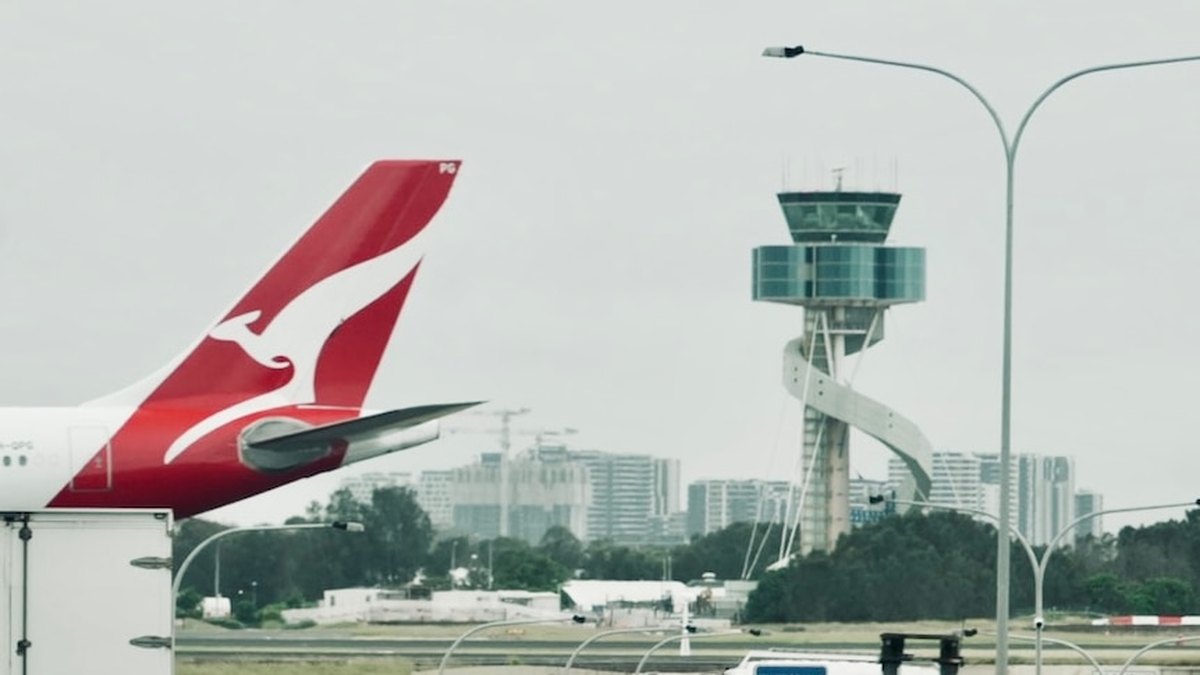
Garoonka Sydney: Dhibaatada ugu daran ee dhacday tan iyo bilowga qorshaha amniga, ayaa la sheegay inay tahay mid ka mid ah kuwa ugu xun 20 sano
Xarunta Amniga Gurmadka Hawada Australia (ATSB) ayaa maanta soo saartay warbixinno dhexdhexaad ah oo ku saabsan saddex ka mid ah shan tobanka dhacdooyinka dhacay garoonka Kingsford Smith ee Sydney, iyadoo ay sheegtay in dhacdada 27-kii July ay tahay mid ka mid ah kuwa ugu xun tan iyo 2003.
Dhacdada ugu xun ee July 27
Maamulaha ATSB, Angus Mitchell, ayaa sheegay in dhacdada 27-kii July ay ahayd mid ka mid ah kuwa ugu xun ee dhacay garoonka Sydney, waxaana loo aqoonsaday inay tahay 'dhaqdhaqaaq dhulka' (runway incursion) oo leh nooc A. Bojiga 737-ka ee QF124, oo leh 157 qof, ayaa la ogolaaday inuu maro dhulka garoonka, halkaas oo uu ku jiray qofka kale ee QantasLink, oo leh 55 qof, iyadoo ay ku xiran yihiin 120 mitir.
Warbixinta ayaa sheegtay in hanti-hayaha hawada ee soo saaray ogolaanshaha uu lahaa 'khatarta sare ee xanuunka' (high predicted fatigue risk level) markii uu si toos ah u wareejiyey shaqada. Tallaabooyinka amniga ayaa u shaqeeyay, iyadoo laba dhinac oo hawada ah ay ku jireen dhulka garoonka, iyadoo ay ku xiran yihiin 120 mitir.
Khatarta xanuunka iyo dhibaatooyinka kale
Warbixinta ayaa sheegtay in garoonka Sydney uu ku jiray khatarta sare ee xanuunka (high predicted fatigue levels) muddo saddex maalmood ah, iyadoo saddex ka mid ah hanti-hayaasha hawada ay ku jireen khatarta sare. Maamulaha ATSB ayaa sheegay inuu baarayo sida loo maareeyay khatartaas, inkastoo aan la aaminsanayn inay sabab u tahay dhacdada.
Bishii July iyo August, ayaa la sheegay in 11 dhacdo oo dhulka ah ay dhaceen garoonka Sydney, iyadoo la sheegay inay ka badan tahay meelaha kale ee dalka. Garoonka ayaa sidoo kale sheegay inuu ka badan yahay meelaha kale ee dalka, iyadoo la sheegay inuu ka badan yahay meelaha kale ee dalka.
Jawaabaha hay'adaha amniga
Hay'adda Amniga Hawada Australia (CASA) ayaa sheegtay in warbixinta ATSB-ka ay muujinayso inaan jirin khatarta fudud ee amniga, iyadoo ay sheegtay inay si toos ah u qaadayso tallaabooyinka amniga. Maamulaha ATSB ayaa sheegay inuu baarayo sida loo maareeyay khatartaas, inkastoo aan la aaminsanayn inay sabab u tahay dhacdada.
Wasiirka Maamulka Isgaarsiinta iyo Gaadiidka, Catherine King, ayaa sheegtay in warbixinta ATSB-ka ay muujinayso inaan jirin khatarta fudud ee amniga, iyadoo ay sheegtay inay si toos ah u qaadayso tallaabooyinka amniga. Waxaa sidoo kale jira baaritaan cusub oo ku saabsan sida loo maareeyay khatartaas, iyadoo la sheegay inay ka badan tahay meelaha kale ee dalka.
The Australian Transport Safety Bureau has released preliminary reports on six incidents at Sydney Airport, identifying a July 27 near-collision as one of the most severe runway conflicts since records began in 2003.
A Category A Runway Incursion
On July 27, a breakdown of coordination led an air traffic controller to clear a Boeing 737 carrying 157 people to cross a runway while a QantasLink Bombardier with 55 passengers was landing. The 737 stopped past the runway stop bars, resulting in a runway incursion, while the Bombardier halted before the intersection, leaving the two aircraft approximately 120 metres apart.
The incident was classified as a Category A runway incursion, the most severe to occur at Sydney Airport and only the third such event in Australia since the ATSB began recording data in 2003. In all six incidents under investigation, safety defences operated in some form, with controllers, pilots or ground crew acting to prevent more serious outcomes.
Fatigue and Operational Challenges
The air controller who issued the clearance had a high predicted fatigue risk level during a brief handover before going on break. At the time of the occurrence, four out of seven controllers in Sydney's air traffic control tower were operating with high predicted fatigue levels, and roster modelling had flagged elevated fatigue risk for staff on many days between July 27 and August 25.
While an elevated fatigue risk does not necessarily mean a controller was fatigued, the ATSB is examining the effectiveness of measures in place to manage this pre-identified risk. Staff resourcing was not determined as the direct cause, but the bureau will investigate whether combining operational roles and over-reliance on overtime were underlying factors.
Broader Safety Concerns and Responses
Between July and August, 11 ground incidents were reported at Sydney Airport, with the airport recording double the national average of information and procedural errors. Higher consequence incidents, including runway incursions and taxiway collisions, have also increased post-COVID, though nationally occurrence rates have remained steady over the past decade.
CASA stated that none of the incidents indicate an immediate safety risk and that action would have been taken if needed. Airservices Australia said safety remains its number one priority, while Federal Minister Catherine King emphasised that addressing operational and workforce challenges is critical to ensuring safe air traffic control services.
Ilaha iyo xuquuqda sawirka
Sawir: ABC Australia Xigasho