Yurubta Galbeedkeeda Oo Gawaheeda Ugu Kulul Gawday Bisha Juun iyo Luulyo
Xogta ay soo saartay Adeegga Isbeddelka Cimilada ee Copernicus ayaa muujisay in Yurubta Galbeedkeeda ay gawday bisha Juun iyo Luulyo ee 2026 heerkulka ugu sarreeya ee la joogo. Heerkulka celceliska ahaa wuxuu gaaray 21.62 darajo Celsius, wuxuuna jabiyay rikoorkii hore ee 2022.
Kulayl iyo Abaar Baahsan
Yurubta Galbeedkeeda ayaa la kulantay afar mowjadood oo kulayl ah tan iyo bisha May, sida ay qabaan xogta Copernicus. Qaybo badan oo Yurubta ah sida Spain, France, Germany, Austria, Hungary iyo UK ayaa cimilo qalalan la kulmay bisha Luulyo, Ireland iyo qaybo Iceland ahna waa la mooday inay qalalan yihiin.
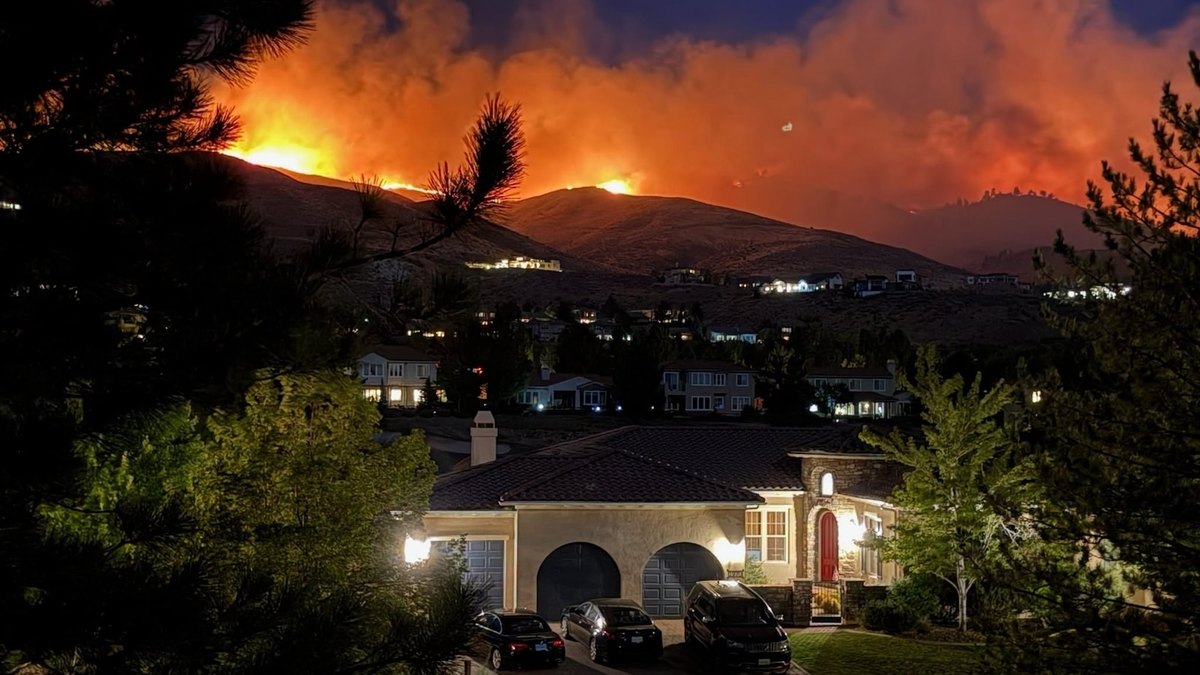
Qoyaanka carrada Yurubta Galbeedkeeda wuxuu ahaa mid si weyn uga hooseeya Luulyo 2022, halka webiyada Seine, Rhine iyo Danube ay la kulmeen qulqulka biyaha oo aad u hooseeya. France iyo Spain ayaa la halgamayay dab-ku-woqooyin aad u daran xilligan xagaaga.
Heerkulka Badaha Oo Riwaayad Leh
Copernicus ayaa soo warisay in heerkulka dusha badda ee adduunka uu gaaray rikoor bisha Luulyo, celceliska badaha aan dhul-xariiqda ahayn wuxuu gaaray 20.96 darajo Celsius, ka sarreeya rikoorkii 2023 ee 20.89 darajo. Heerkul gooni ah ayaa laga cabbiray xeebaha Atlantic iyo badda Mediterranean-ka galbeed.
El Niño oo ku soo baxay Badweynta Baasifigga ayaa gacan ka geysatay rikoorkaas. Agaasimaha Copernicus Carlo Buontempo ayaa ku tilmaamay El Niño soo baxaya inuu yahay "very large" oo ay suurtagal tahay inuu noqdo mid aan hore loo arag oo xooggiisu gaarayso.
Saadaasha Cimilada Adduunka
Adduunka guud ahaan, Luulyo wuxuu ahaa kan labaad ee ugu kulul abid, isagoo la siman Luulyo 2024. Heerkulka celceliska ah wuxuu ahaa 16.90 darajo Celsius, qiyaastii 1.47 darajo ka sarreeya celceliskii 1850-1900, halka Luulyo 2023 uu yahay kii ugu kulul ee la joogo.
Sannadda 2026 ayaa ahayd midda saddexaad ee ugu kulul taariikhda, iyadoo saynisyahano ay sheegayeen in El Niño xoogaysanayo uu kici karo heerkul sarreeya. Buontempo wuxuu sheegay in rikoor cusub la filayo dabayaaqada sanbabka ama horraanta 2027, 11-kii sano ee la soo dhaafayna ay ahaayeen kuwii ugu kulul.
Western Europe recorded its hottest June and July on record, averaging 21.62°C (70.92°F), surpassing the 2022 benchmark, according to the EU's Copernicus Climate Change Service. Four heatwaves have struck since May, with persistent high-pressure systems trapping heat and amplifying widespread drought across the region.
Record-Breaking Heat and Intensifying Drought
The average temperature across Western Europe for June and July reached 21.62°C (70.92°F), breaking the previous record set in 2022. Samantha Burgess of the European Centre for Medium-Range Weather Forecasts said persistent high-pressure systems trapped heat over the region, amplifying widespread drought. As soils dry out, they lose their ability to provide natural cooling, allowing heat to build more readily.
Conditions were drier than average across large parts of Europe in July, including Spain, France, Germany, Austria, Hungary, and the United Kingdom. Ireland and parts of Iceland also experienced unusually dry conditions. Soil moisture in Western Europe was significantly lower than in July 2022, when the region last experienced a severe drought.
Wildfires, Low River Flows, and Global Ocean Records
France and Spain have battled particularly severe wildfires this summer, while river flows were unusually low, with the Seine, Rhine, and Danube among the hardest-hit waterways. Low water levels have disrupted transport, irrigation, and energy production in several European countries. Copernicus also reported a record for global sea surface temperatures in July, with the average across oceans outside the polar regions reaching 20.96°C (69.73°F).
Record temperatures were measured along parts of the Atlantic coast and in the western Mediterranean, accompanied by intense marine heatwaves. A developing El Niño in the equatorial Pacific contributed to the record, with Copernicus director Carlo Buontempo describing the emerging El Niño as 'very large' and potentially unprecedented in its strength.
2026 on Track to Be Among the Hottest Years on Record
Globally, July was the joint second-warmest on record, tied with July 2024, with an average surface air temperature of 16.90°C (62.42°F), around 1.47°C above the 1850-1900 pre-industrial average. So far, 2026 is the third-hottest year recorded globally, behind 2024 and 2025. Scientists say the strengthening El Niño could push temperatures higher later this year.
Buontempo said scientists expect a new global average temperature record to be set either later this year or in early 2027. 'We have not seen a climate that warm during our lifetime, and very possibly our civilisation,' he said. 'The main driver for this warming — as we know — are the greenhouse gases,' he added.