Ugu yaraan 100 qof ayaa ku dhintay isku soo wada buuqsanaashahii Ceuta
Madaxa Ceuta ayaa sheegay in 3,000 ilaa 5,000 tahriibayaal ay wali ku sugan yihiin deegaanka
Ugu yaraan 100 qof ayaa ku dhintay intii ay tahriibayaal badan ugu gudbayeen Morocco ilaa Ceuta ee Spain, ayuu xaqiijiyay madaxa magaaladaas. Weli waxaa Ceuta ku haray inta u dhaxaysa 3,000 iyo 5,000 tahriibayaal, sida uu qabo warbixinta rasmiga ah.
Tirada Dhimashada iyo Ku-noqoshada Tahriibayaasha
Juan Jesus Vivas, oo ah madaxa dawladda hoose ee Ceuta, ayaa xaqiijiyay in ugu yaraan 100 qof ay dhinteen intii lagu jiray gudbinta waddo la'aan ee tahriibayaasha Morocco u gudbay Ceuta. Tani waa mid ka mid ah dhimashooyinka ugu badan ee la xiriirta tahriibka ee deegaanka sanadihii la soo dhaafay.
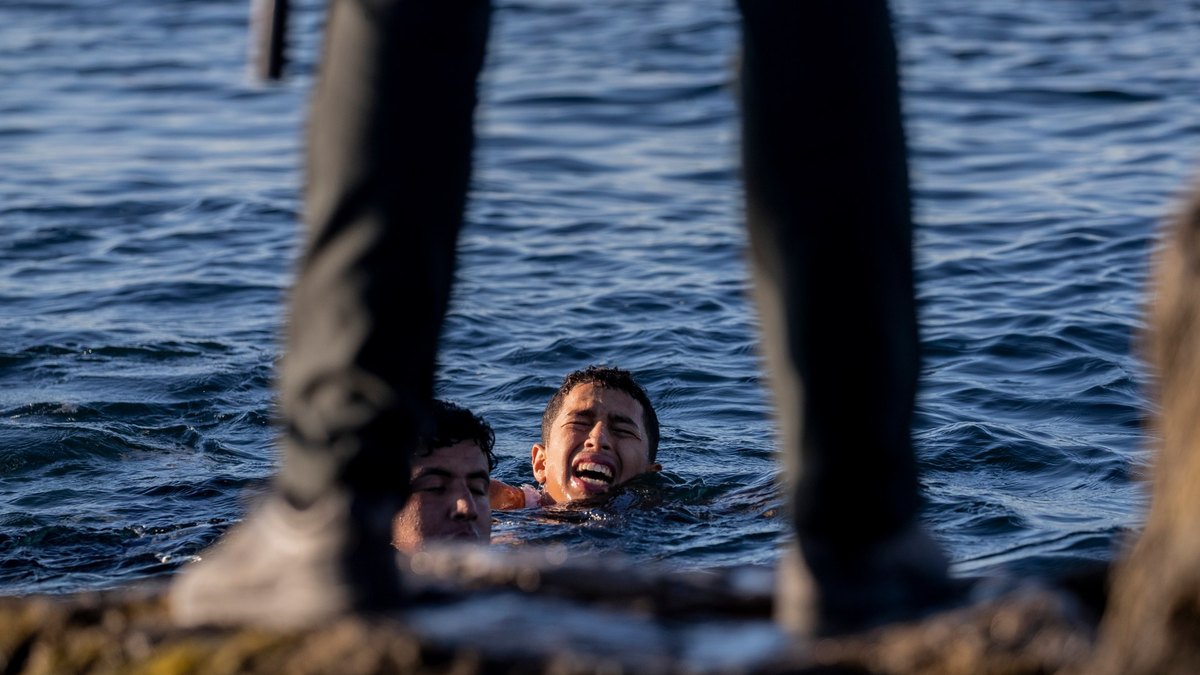
Waxaa la sheegay in ugu yaraan 72,000 tahriibayaal ay dabaasha ama lug ku gudbeen Morocco ilaa Ceuta Khamiistii iyo Jimcihii la soo dhaafay. Tirotani waxay ku dhowdahay tirada guud ee dadka ku nool Ceuta, oo ka badan 80,000 oo qof.
Culeyska Xarumaha iyo Jawaabta Mas'uuliyiinta
Vivas wuxuu sheegay in labada xarun oo soo dhaweyn ah ee dadka waaweyn iyo kuwa yar ee aan la socon, ay 'burbureen' culayska ka dhashay. Mas'uuliyiinta maxalliga ah ma aysan shaacin tirada saxda ah ee tahriibayaasha magaalada ku haray, iyagoo citi resources la'aan ku qeexay.
Mas'uuliyiinta maxalliga ah waxay Madrid uga digeen kordhinta tirooyinka gudbista ka hor inta uusan qaraxin, laakiin digniinadoodii lama dhaqaaqin. Mas'uuliyiinta Morocco ayaa diiday in ay la macaamilaan Ceuta inta ay dhibaatadu socotay.
Doodda Midowga Yurub iyo Amniga Soohdinta
Magnus Brunner, oo ah wakiilka tahriibka ee Midowga Yurub, wuxuu xaqiijiyay in Spain ay Brussels u ballan qaaday in dhibaatadu aysan saamayn doonin Schengen. Wuxuu ka digay in Ceuta ay muujisay daciifnimo qoto dheer: amniga soohdinta Yurub wuxuu ku tiirsan yahay wada shaqaynta hal dal oo deris ah.
Brunner wuxuu yidhi: 'Inta ay koontaroolku ku xiran yahay raalli-gelinta hal dawlad oo deris ah, waxaan nahay... daciif'. Dowladda Spain ayaa diiday in ay ka qaybgasho dhageysiga, halka Guddiga Midowga Yurub uu ka qayb galay meesheeda.
At least 100 people died during mass crossings from Morocco into Spain's North African enclave of Ceuta, the city's head of government said Thursday before the European Parliament. Between 3,000 and 5,000 undocumented migrants remain in the territory, which has a population of more than 80,000.
A Crisis of Scale
About 72,000 migrants swam or crossed on foot from Morocco into Ceuta last Thursday and Friday, according to Spanish authorities, in one of the largest movements into EU territory in recent years. Juan Jesus Vivas, head of Ceuta's local government, called it an "invasion" and noted the number of those who entered was roughly equal to the enclave's entire population of more than 80,000.
Vivas described the situation as a humanitarian emergency of enormous proportions, compounded by disturbances to public order and a serious risk to public safety. He said Ceuta's two reception centres, for adults and unaccompanied minors, had collapsed under the strain, and that authorities had not disclosed the exact number of migrants still in the city due to a lack of resources.
Blame and Weakness
Morocco rejected suggestions it was responsible for the surge, saying Spain should have anticipated the consequences of a court ruling that migrants arriving by swimming could not be immediately deported if no physical border barrier had been crossed. Moroccan authorities had refused to engage with Ceuta throughout the crisis, and local officials had warned Madrid about rising crossing numbers before the surge, but their warnings were not acted on.
Security forces have still not been deployed in Ceuta with the required intensity, Vivas said. He added that unaccompanied minors could only be returned with their consent, and that local authorities had no information on whether any previously expelled extremists were among the arrivals.
Europe's Border Dependence
European Union migration commissioner Magnus Brunner told the same hearing that Spain had assured Brussels the crisis would not affect Schengen, the EU's passport-free travel zone. But he warned Ceuta had exposed a deeper weakness: Europe's border security depends too heavily on the cooperation of a single neighbouring country.
As long as control depends on the goodwill of one neighbouring state, we remain vulnerable, Brunner said. Spain's government declined to attend the hearing; the European Commission attended in its place.