Switzerland: Waddan Dhexdhexaad ah oo Leh Qaraxyada Nukliyeerka Ugu Badan Adduunka
Sahamayn ku saabsan nidaamka hoyga badbaadada ee dalka Switzerland iyo isticmaalkiisa xilliyada nabadda
Switzerland waa waddan dhexdhexaad ah, laakiin waxay leedahay qaraxyada nukliyeerka oo ka badan waddad kasta oo adduunka ka mid ah. Waxaa dalka ka jira in ka badan 370,000 oo hoyga badbaadada nukliyeerka, taas oo qayb ka ah nidaam qaran oo loo dhigay dadkeeda.
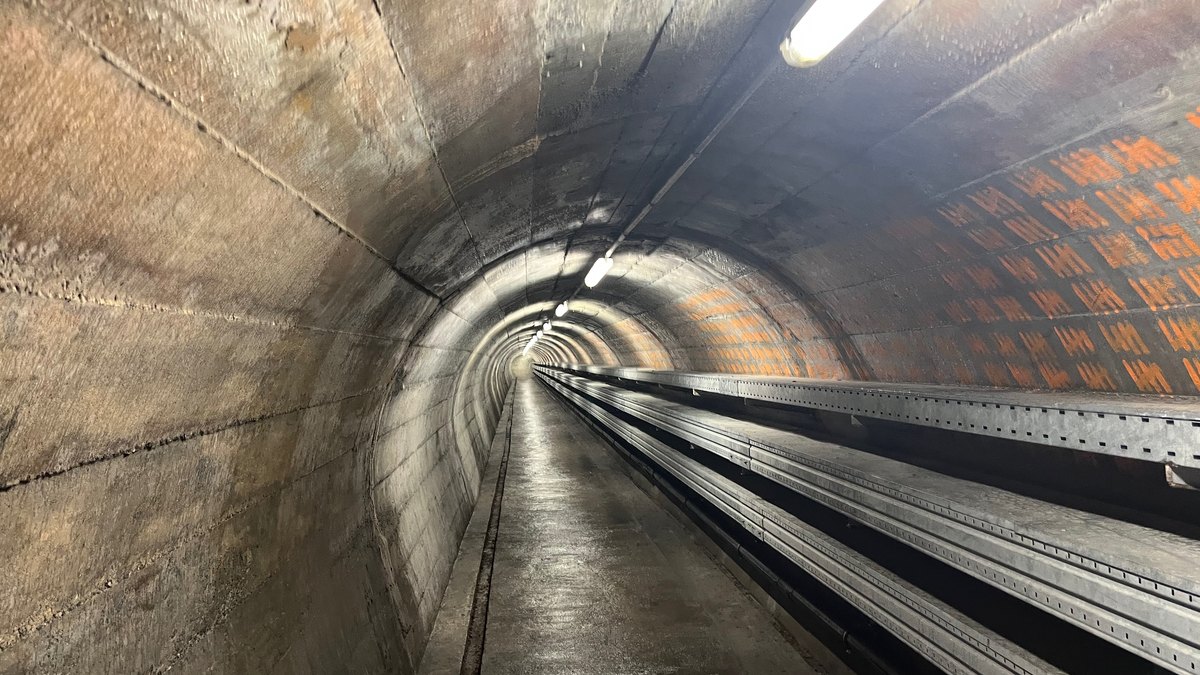
Bunkerka Sonnenberg iyo Taariikhdiisa
Bunkerka Sonnenberg waxaa la dhisay 1970-meeyadii intii lagu jiray Dagaalkii Qaboobaa, waxaana loogu talagalay inuu dego 20,000 oo qof. Zora Schelbert ayaa tiri: "Back then, 20,000 people constituted a third of our city's inhabitants. So every third person in the city of Lucerne was once supposed to be sheltered in this bunker.".
Bunkerka waxaa ku jiray mashiinno koronto oo shidaal ku shaqeeya oo shidaalkoodu ku filnaa labo toddobaad. Sanadkii 2002dii awooddiisii hoos loogu dhigay 20,000 ilaa 2,000 qof, waxaana hadda loo isticmaalaa hoyga dadka qaxootiga ah iyo kuwa hoyla'aanta ah.
Sharciga Dhismaha iyo Kharashka
Sharcigu wuxuu qasbayaa in dhisme kasta oo la dego ee Switzerland uu yeesho bunker albaab adag iyo hawo-mareen, ama lacag loo qoondeeyo bunker u dhow oo dowladdu maamusho. Muwaadiniintu waxay bixiyaan lacag hordhac ah oo u dhaxaysa $1,700 ilaa $3,500 oo loogu talagalay dayactirka iyo dhismaha.
Sanadkii 2011dii baarlamaanka ayaa doodo ka dhacday in la joojiyo dhammaan hoyga badbaadada. Laakiin ka dib shilka Fukushima Daiichi ee Japan, dowladdu waxay soo gabagabaysay inay fiican tahay in la helo hoygaas marka dhibaato dhab ah timaado.
Isticmaalka Nabadda iyo Dayactirka
Xilliyada nabadda, bunkerrada Switzerland waxaa loo rogaa qiyaano khamri, sauna, ama bakhaar. Ardayda dugsiyada ayaa sanad walba usbuuc ku qaataan barashada bunkerrada qayb ka mid ah manhajka difaaca madaniga ah.
Bunkerka Sonnenberg weli looma isticmaalin ujeeddadiisii asalka ahayd, laakiin dowladdu waxay bixisaa tobanaan milyan oo doolar sanadkii si ay u dayactirto. Waxaa ku yaal isbitaal, xarun ammaan oo leh saddex qol oo xabsi ah.
Despite its long-standing neutrality, Switzerland maintains the world's largest network of nuclear bomb shelters, a legacy of Cold War-era preparedness that has evolved into a complex system of civil defense and humanitarian housing.
A Cold War Engineering Marvel
The Sonnenberg nuclear bunker in Lucerne was constructed during the 1970s to shelter 20,000 people from nuclear fallout, representing a third of the city's population at the time. The facility was equipped with diesel generators capable of powering operations for two weeks, though supplies of food and water would have been exhausted after that period.
This massive underground complex included a hospital with bright green walls, a security station with three prison cells, and other essential services. The bunker's capacity was later reduced from 20,000 to 2,000 in 2002, reflecting changing strategic priorities and practical limitations of housing such a large population underground.
National Preparedness and Political Debate
Switzerland's commitment to civil defense is institutionalized, with every residential building required to provide shelter space and citizens paying between $1,700 to $3,500 for maintenance. The country maintains over 370,000 nuclear bomb shelters, ensuring protection for its 9 million residents.
Political discussions in 2010 and 2011 considered dismantling the entire shelter system, but the Fukushima Daiichi nuclear disaster in Japan convinced officials to retain the network as a national reserve. The government continues spending tens of millions annually to maintain these facilities throughout the country.
From Nuclear Shelter to Humanitarian Housing
In peacetime, Swiss bunkers serve diverse purposes including wine cellars, saunas, and university storage facilities. The Sonnenberg bunker has been repurposed as overflow housing for refugees, asylum seekers, and homeless individuals, though this use has drawn criticism from advocacy organizations.
Education plays a crucial role in maintaining civil defense awareness, with students spending weeks learning about bunker systems through drawing exercises, film screenings, and overnight shelter experiences. This curriculum reinforces the cultural concept of Switzerland as an island of calm surrounded by potential chaos.