Shabakadda korontada qaranka ee Cuba ayaa dhacday, iyadoo jasiiradda oo dhan ay gashay mugdi
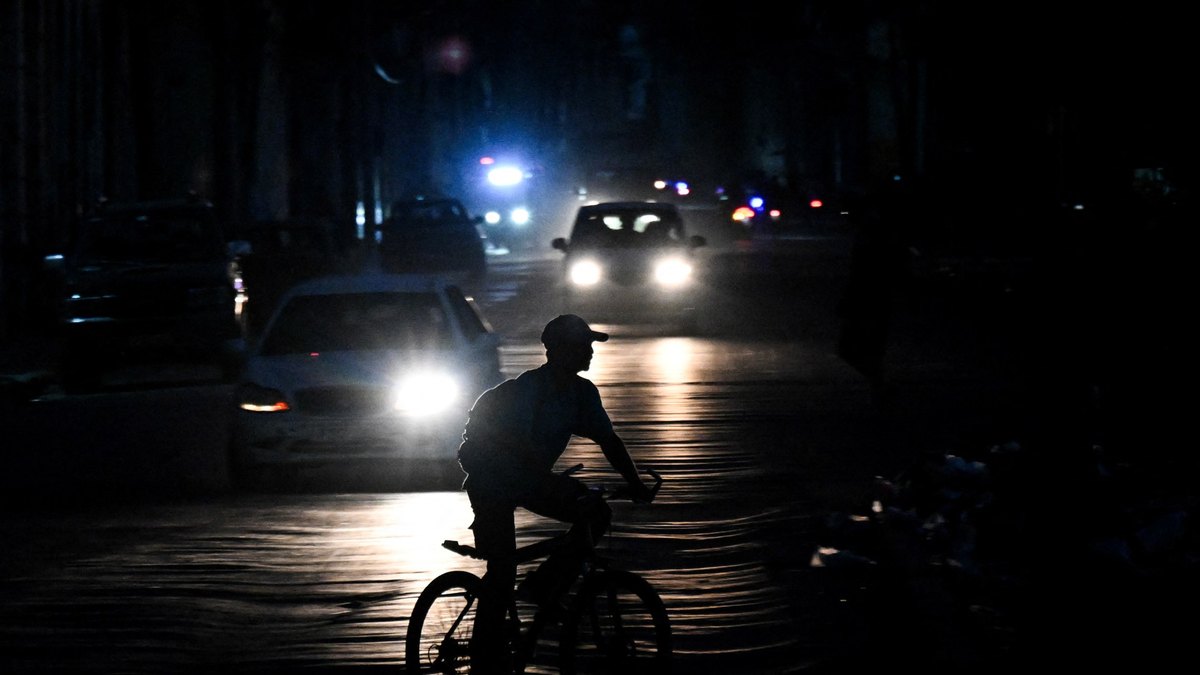
Shabakadda korontada ee qaranka Cuba ayaa dhacday, taasoo keentay in jasiiradda oo dhan ay saameyso koronto-la'aan baahsan. Midowga Korontada ee dawladda, oo loo yaqaan UNE, ayaa ku dhawaaqay burburkaas baraha X dabayaaqadii Axad, isagoon si degdeg ah u sheegin sababta, baaxadda khalkhalka ama goorta la soo celin doono.
Hoos u dhac ka horreeyay iyo cabashooyinka
Ka hor inta uusan dhicin burburka qaranka, shirkadda korontada ee Havana waxay soo werisay goyo koronto oo ka dhashay foornada korontada oo vurmay, ciladaha wareegga, iyo goyo la qorsheeyay oo la xidhiidha awoodda korontada ee aan ku filnayn.
Subaxnimadii Axad, waxaa la diiwaangeliyay daraasiin cabasho oo aan xallin oo ka dhex tay dhacay degmooyin kala duwan, oo ay ku jiraan Guanabacoa, Habana del Este, La Lisa, iyo Marianao, sida ay qortay wakaaladda wararka ee Reuters.
Taariikhda madoobayaasha qaranka
Burburka Axadd waa kii ugu dambeeyay ee taxane madoobayaal qaranka ah oo sanadkan dhacay. Shabakaddii waxay dhacday saddex jeer todobaad sagaal maalmood ah bishii July, oo ay ku jiraan laba burbur oo jasiiradda oo dhan ah isku usbuuc.
Mid ka mid ah go'daasyadii ayaa ka tagay qiyaastii 10 milyan oo qof oo aan koronto lahayn. Nidaamka korontada Cuba ayaa sii xumaaday iyadoo ay yaraadeen shidaalka iyo qaybaha beddelka, iyo cilado soo noqnoqda oo ka dhashay warshadaha korontada ee duugga ah.
Sababaha iyo saamaynta guud
Qaar ka mid ah xarumaha korontada dhalisa waxay ka weyn yihiin 30 sano, waxaana helay dayactir kooban. Dowladda Cuba waxay Washington ku eedaysaa in ay si baahsan u xannibtay sahayda saliidda jasiiradda iyo helitaanka maalgelinta iyo qalabka.
Goyo koronto oo dheer ayaa carqaladeeyay gaadiidka, biyaha, isgaarsiinta iyo adeegyada caafimaadka. Mas'uuliyiinta caadiyan waxay isku dayaan in ay ka soo kabtaan burburka buuxa iyagoo abuuraya shabakado yar yar oo go'doonsan oo u adeega isbitaallada, nidaamyada biyaha iyo xarumaha cuntada.
Cuba's national electricity grid has collapsed once more, leaving the island in darkness and raising fresh concerns about the reliability of its power supply. The state-run Electric Union, known as UNE, confirmed the failure late on Sunday but offered no immediate explanation for the outage or a timeline for restoration.
A Pattern of Repeated Failures
Sunday's blackout is the latest in a troubling series of nationwide failures this year. In July alone, the grid collapsed three times within nine days, including two island-wide outages in the same week. One of those incidents left approximately 10 million people without electricity, while authorities struggled to restore power because the country could not generate enough electricity to meet demand even after the network was reconnected.
Before the latest collapse, Havana's electricity company had already reported outages caused by damaged transformers, circuit failures, and planned cuts linked to insufficient generating capacity. Early on Sunday, dozens of unresolved complaints were recorded across various municipalities, including Guanabacoa, Habana del Este, La Lisa, and Marianao, according to Reuters.
Decades of Underinvestment and Fuel Shortages
Cuba's electricity system has deteriorated amid shortages of fuel and replacement parts, as well as repeated breakdowns at ageing thermoelectric plants. Some generating facilities are more than 30 years old and have received limited maintenance, contributing to the fragility of the national grid.
The Cuban government blames Washington, which has severely restricted oil supplies to the island and access to financing and equipment. Cuba lost a key source of fuel after United States President Donald Trump imposed an oil blockade on the island following the US's January 3 abduction of Venezuelan President Nicolas Maduro. Venezuela had long been Cuba's primary oil supplier, and imports from Mexico have also been halted amid increased pressure from Washington.
Widespread Disruption to Daily Life
Extended outages have disrupted transport, water supplies, communications and medical services across the island. They have also left households struggling to preserve food, cook meals or sleep during the summer heat, compounding the challenges faced by residents.
Authorities typically attempt to recover from a total collapse by creating small, isolated power networks to supply hospitals, water systems and food facilities before gradually reconnecting larger generating plants. However, the scale and frequency of recent failures suggest that restoring full power to the island will require significant time and resources.