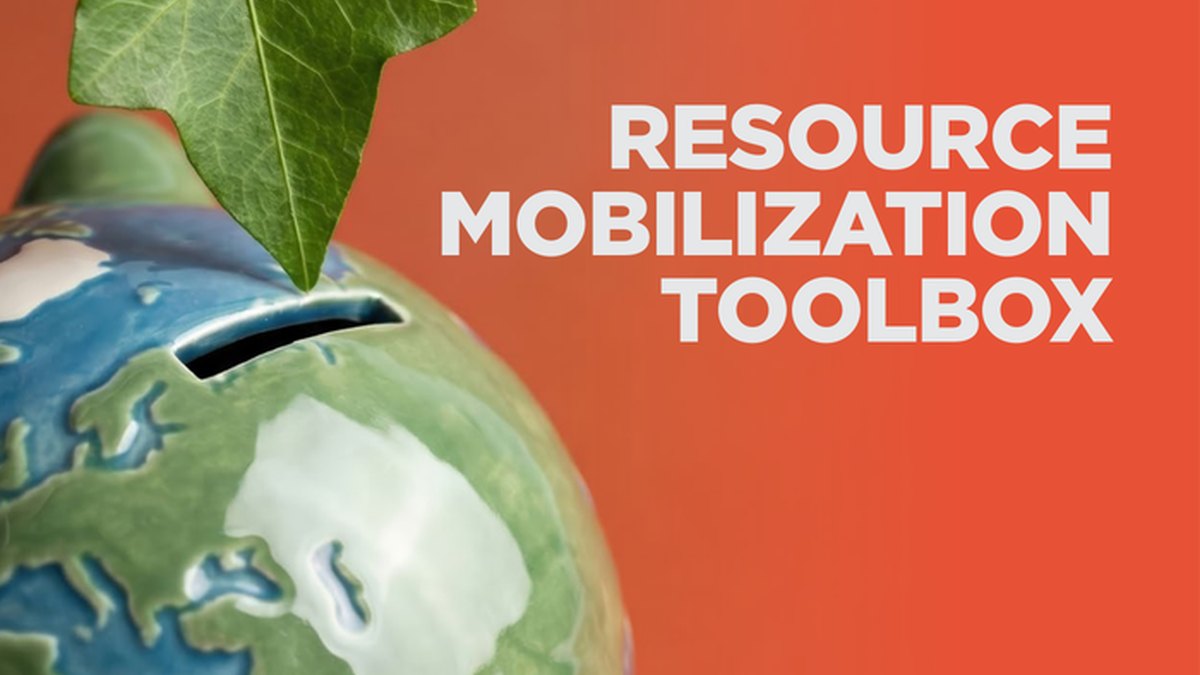
Sanduuqa Qalabka Abaabulka Khayraadka ee UNCCD oo Caawinaya Dalalka Dagaalka Abaarta
Sanduuqa Qalabka Abaabulka Khayraadka ee UNCCD (RMT) waa hage dhameystiran oo dhexdhexaad ah oo loogu talagalay inuu dalalka ka caawiyo sidii ay u soo uruurin lahaayeen dhaqaalaha iyo agabka farsamada ee loo baahan yahay dagaalka baaxadda, hoos-u-dhaca dhulka, iyo abaarta (DLDD). Waxaa sameeyay Mashiinka Caalamiga ah ee UNCCD, wuxuuna ka jawaabayaasaa farqiga maaliyadeed ee caalamiga ah ee lagu qiyaasay USD 278 billion sanadkii.
Ujeedada iyo Awoodda Sanduuqa
RMT waxay xoojinaysaa awoodda dhinacyada waddammada, gaar ahaan Dhibcaha Qaranka ee UNCCD, si ay u naqshadeeyaan qorshayaasha maalgashi, u doortaan istiraatijiyadaha maalgelinta, ula xiriiraan maalgeliyayaasha, uguna maamulaan xiriirka muddada dheer. Tani waxay caawinaysaa buuxinta baahiyaha qaranka.
Sanduuqii wuxuu bilowga ka qeexayaa wareegga abaabulka khayraadka: qiimeynta baahiyaha, aqoonsiga wada-hawlgalayaasha, uruurinta kheyraadka, fulinta hawlaha, la socodka natiijooyinka, iyo ilaalinta xiriirka deeq-bixiyayaasha. Habkani wuxuu qeexayaa tallaabooyinka lagama maarmaanka ah.
Ilo Maaliyadeed iyo Maamulka Gaarka ah
RMT waxay bixinaysaa dulmar ballaaran oo ku saabsan ilaha maaliyadeed ee soo celinta dhulka, oo ay ku jiraan miisaaniyadaha guud ee gudaha, bangiyada horumarinta dhinacyada badan, GEF, GCF, deeq-bixiyayaasha laba-dhinac, maalgashadayaasha gaarka ah, iyo hay'adaha aan dowladdaha ahayn. Qalabkani wuxuu qeexayaa noocyada maalgelinta.
Sanduuqii wuxuu si gaar ah u nuuxnuuxsaday ka-qaybgalka dowladda ee maalgashadayaasha gaarka ah ee mashaariicda soo celinta dhulka iyo adkaysiga abaarta. Maalgelinta gaarka ah waa mid muhiim ah oo lagama maarmaan u ah abaabulka maalgashiga baaxadda loo baahan yahay.
Qorshaynta Mashaariicda iyo Xiriirka Wada-hawlgalayaasha
RMT waxay qeexaysaa sida loo diyaariyo mashaariic lacag-helid ah, oo ay ku jiraan horumarinta soo-jeedinta, falanqaynta maaliyadeed, maareynta khatarta, qaab-dhismeedka la socodka, iyo waafaqsanaanta shuruudaha maalgeliyayaasha sida World Bank, GEF, iyo wada-hawlgalayaasha laba-dhinac. Tani waxay fududaynaysaa ansixinta.
Qaybta u dambeysa ee Sanduuqa waxay diiradda saaraysaa maamulka xiriirka, iyada oo soo bandhigaysa dhaqamada ugu wanaagsan ee dayactirka wada-hawlgalo muddada dheer leh oo lala yiraahdo hay'adaha dhinacyada badan, deeq-bixiyayaasha, iyo maalgashadayaasha gaarka ah. Waxaa ku jira talooyin cad.
The UNCCD Resource Mobilization Toolbox (RMT), developed by the Global Mechanism, offers countries a comprehensive guide to close a USD 278 billion annual financing gap needed to meet land restoration and Land Degradation Neutrality targets.
A Practical Guide to Closing the Financing Gap
The RMT strengthens the capacity of country Parties, especially UNCCD National Focal Points, to design investment plans, select financing strategies, engage funders, and manage long-term partnerships. It outlines the resource mobilization cycle: assessing needs, identifying partners, mobilizing resources, implementing activities, monitoring results, and maintaining donor relationships.
The Toolbox provides tools to evaluate project viability, compare investment options, and justify land and drought-related spending within government. It also introduces communication tools such as the National Land Restoration Fundraising Canvas to support internal governmental advocacy for land-related investment.
Diverse Funding Sources and Private Sector Engagement
The RMT provides an extensive overview of financial sources for land restoration, including domestic public budgets, multilateral development banks, global climate and environment funds such as the Global Environment Facility (GEF) and the Green Climate Fund (GCF), bilateral donors, private investors, blended finance vehicles, philanthropic foundations, non-governmental organizations and community-based mechanisms.
The Toolbox places special emphasis on governmental engagement with private investors and commercial funders of land restoration and drought resilience projects. Private capital is critical to mobilizing investment at the scale required to address identified financial gaps, and the private sector can provide financial leverage, operational efficiency, technical innovation, and support for the long-term sustainability of investments.
Bankable Projects and Long-Term Partnership Management
The RMT provides practical guidance on selecting financial options through a structured decision tree that combines financial factors such as cost of capital, maturity, risk tolerance and currency exposure with nonfinancial considerations, including policy alignment, safeguards, operational capacity and fundraising efficiency. It also outlines how to prepare bankable projects, including proposal development, financial analysis, risk management, monitoring frameworks, and alignment with the requirements of funders, such as the World Bank, GEF, and bilateral partners.
The final section of the Toolbox focuses on relationship management, presenting best practices for maintaining long-term partnerships with multilateral organizations, bilateral donors, philanthropic organizations, non-governmental organizations and private investors. Recommendations include transparent reporting, regular communication, field visits, risk sharing, adaptive management, and recognition of donor contributions.