Mashruuca Drought Action Catalyst: Qaab-dhismeedka Adduunka ee U Adkaysiga Abaarta
Mashruuc ay IWMI u horseeddo oo CGIAR magaceeda ku socda ayaa la soo bandhigay Diseembar 2024 ee Riyadh, Sacuudi Carabiya. Ujeedadiisu waa kala-guurka maaraynta abaarta ee falcelinta una guurista adkaysiga cilmi-based.
Dhibaatooyinka Caalamiga ah ee Abaarta
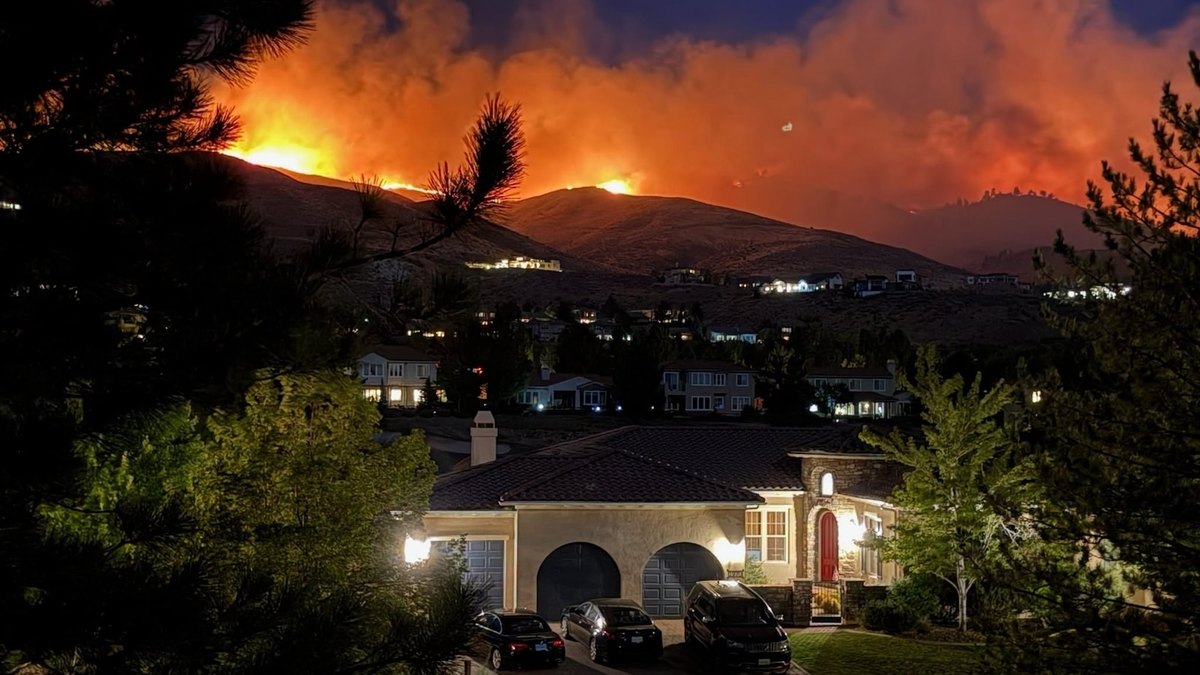
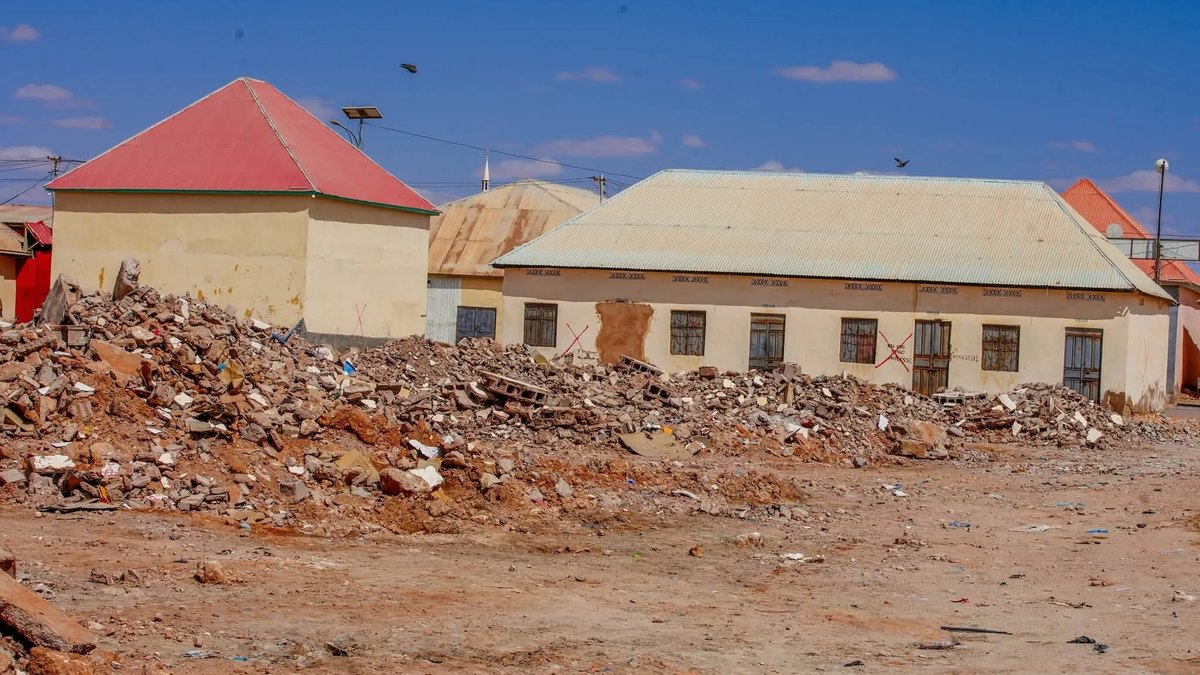
Qiyaastii 80% dadka adduunka ku nool ayaa la filayaa in ay saameyn abaar ku yeeshaan sanadka 2050, abaartuna hadda waxay ku kacdaa qiyaastii USD 307 bilyan sanadkii. Tani waxay muujinaysaa culays dhaqaale oo weyn.
Intii u dhaxaysay 2023 iyo 2025, in ka badan 90 milyan oo qof oo ku sugan Bariga iyo Koonfurta Afrika ayaa la kulmay cunto-yarayn baahan. 88% maalgelinta musiibada cimilada waxaa loo jihaynayaa falcelin kadib dhacdada.
Qaab-dhismeedka iyo Tallaabooyinka Mashruuca
Catalyst-ku wuxuu ku shaqeeyaa seddex tiirar oo isku-xiran: la socodka iyo digniinta hore; muuqaalka nuglaanshaha iyo khatarta; iyo u-diyaargarowga abaarta iyo tallaabooyinka saadaasha. Waxaa taageeraya SukhaRakshak AI.
Habka istaraatijiyadda waxaa lagu taageerayaa tiknoolajiyadda sida dashboards-ka go'aanka iyo SukhaRakshak AI, nidaam AI ah oo IWMI u abuurtay beeraleyga yaryar ee India. Waxay ku shaqeysaa qaab dalbanimo ah oo maxalli ah.
Meel-marin iyo Mudaaharaadka Mustaqbalka
Catalyst-ku wuxuu damacay in uu muujiyo qaab la jaan-qaadi karo oo loo miisaami karo adkaysiga abaarta sanadka 2030, iyadoo tijaabooyin hordhac ah laga wado Koonfurta Aasiya iyo Bariga iyo Koonfurta Afrika. GESI waa udub-dhexaad.
Nidaamka abaarta caalamiga ah ee la filayo ayaa lagu soo gunaanad-dhin doona UNCCD COP17 ee Mongolia sanadka 2026. Tani waxay gacan geysanaysaa hadafyada la-qabsiga cimilada iyo SDGs-yada.
The Drought Action Catalyst, an International Water Management Institute-led initiative under CGIAR, was unveiled at UNCCD COP16 in Riyadh in December 2024 to shift the world from reactive crisis management toward science-based drought resilience.
A Growing Drought Emergency Demands New Approaches
Approximately 80% of the global population is expected to be impacted by drought by 2050, and droughts already cost an estimated USD 307 billion annually. The world has seen some of the most extensive and destructive droughts in recorded history between 2023 and 2025, with over 90 million people in Eastern and Southern Africa experiencing severe food insecurity. Despite strong evidence that every dollar invested in proactive drought preparedness can yield returns of up to tenfold, 88% of weather-related disaster funding continues to be directed toward reactive post-event response.
The Catalyst fills a critical gap: despite decades of research, proven technologies, and established approaches to drought management, vulnerable countries and communities still lack the mechanisms necessary to convert available knowledge into prompt action on the ground. It is intended to serve as an all-in-one solution that mobilizes CGIAR's science, innovation, and international relationships in conjunction with government and community leadership.
Three Pillars and Digital Tools Drive the Strategy
The Catalyst functions through three interconnected pillars: monitoring and early warning; vulnerability and risk profile; and drought readiness and anticipatory action. The strategy is supported by digital technologies such as decision-support dashboards and SukhaRakshak AI, an artificial intelligence-driven multilingual drought advisory system created by IWMI to assist smallholder farmers in India.
The Catalyst employs a demand-driven, locally led approach based on IWMI's demonstrated field experience in India, Sri Lanka, Mali, the Middle East and North Africa region, and Zambia. It is implemented through codesigned National Drought Action templates in each target nation with Gender Equality and Social Inclusion being a fundamental component of all governance and activities.
Pilots Begin Now, with a 2030 Scaling Target
The Catalyst intends to demonstrate a replicable, scalable model for drought resilience by 2030, with initial pilots being implemented in South Asia and Eastern and Southern Africa. This will help achieve climate adaptation targets, Sustainable Development Goals, and the anticipated global drought regime, which will be finalized at UNCCD COP17 in Mongolia in 2026.
The target audience includes governments, donors, development partners, and other stakeholders who are considering participation or investment in the project. The framework presents the Catalyst's justification, capabilities, Theory of Change, operational model, investment approach, partnership landscape, and roadmap.