Korodhka Deeqaha Waxbarasho ee Shiinaha iyo Tababbarka Xirfadaha ee Saraakiisha Soomaaliya
Tirada ardayda Soomaaliyeed ee hela deeqo waxbarasho oo Shiinaha ay maalgeliso ayaa gaadhay tiro taariikhi ah
Tirada ardayda Soomaaliyeed ee deeqo waxbarasho oo dowladda Shiinaha ah helay ayaa kordhay si weyn toban sano gudahood. Sannadkii hore wuxuu noqday kii ugu badnaa abid, iyadoo ku dhow toddobaatan arday la xushay. Waxaa sidoo kale socda tababar xirfadeed oo loo dhan yahay shaqaalaha dowladda.
Korodhka Deeqaha iyo Heshiisyada Cusub
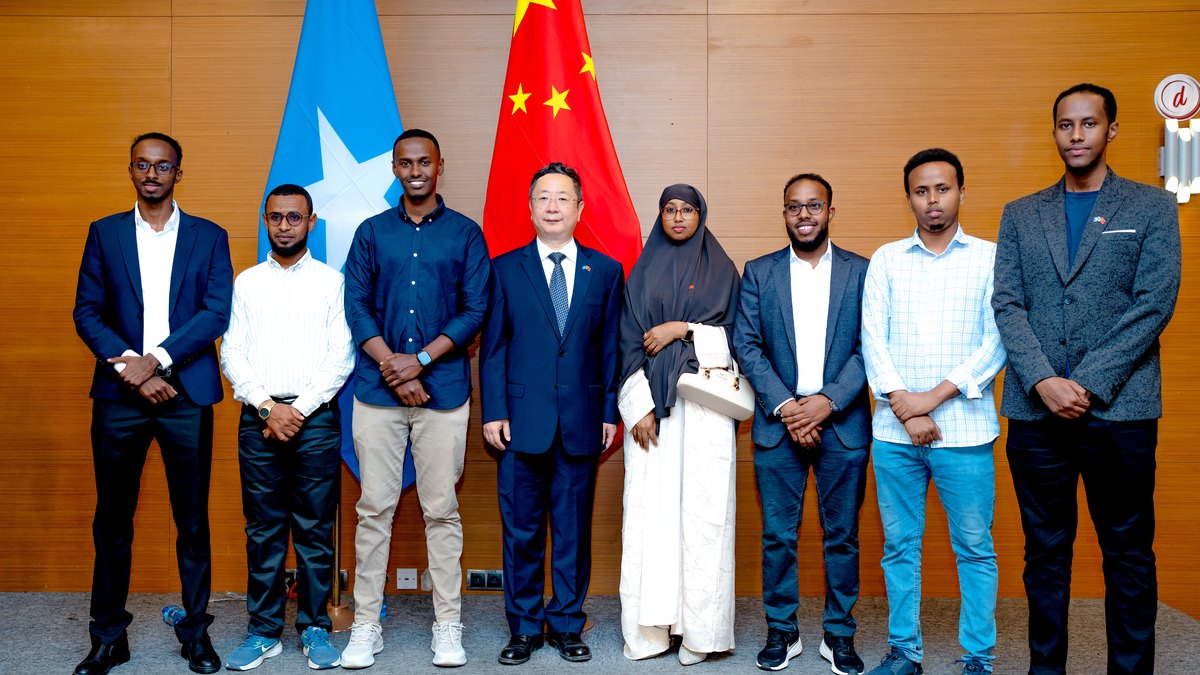
Sannadkii 2015 ilaa 2016, waxaa labaatan arday Soomaaliyeed helay deeqo dowladda Shiinaha ah. Tirooyinkii dambe waxay ahaayeen afar iyo soddon 2018, iyo afar iyo labaatan 2023. Bishii Nofeembar 2024, Wasiirka Dawladda ee Waxbarashada iyo Jaamacaddaha sare iyo Danjirihii Shiinaha ayaa ku saxiixay Jaamacadda Qaranka ee Muqdisho heshiiska Deeqda Saaxiibtinimada Shiinaha iyo Soomaaliya, oo furay konton boos oo ardayda caasimadda ah.
Sannadkii hore wadarta guud waxay gaadhay ku dhow toddobaatan arday oo Soomaaliyeed laga xushay barnaamijyada Golaha Deeqaha Waxbarasho ee Shiinaha iyo Wasaaradda Ganacsiga, taasoo ah tii ugu badneyd abid. Waxbaridda barnaamijyadan waa Ingiriis, mana ahan shuruud in la yaqaan Mandarin. Sida qoraalku yidhi, 'The barrier to a Chinese scholarship is academic merit, not fluency in Mandarin.'
Tababarka Gaaban ee Shaqaalaha Dowladda
Marka lagu daro deeqaha shahaadada, Shiinaha wuxuu maamulaa barnaamij tababar xirfadeed oo joogto ah oo loogu talagalay hay'adaha dowladda Soomaaliya. Koorasyadan gaaban ma aha ballanqaad afar sano ah, waxay socdaan usbuuc, laba usbuuc, mararka qaar hal bil, waxaana si toos ah loogu talagalay dad horey u haysta xilal.
Wasaaradda Warfaafintu waa qaybteedii ugu dambeysay, iyadoo labaatan shaqaale ah ay u imanayaan tababar awoodda shaqaalaha. Ka hor waxay ahayd Wasaaradda Ganacsiga, ka dib Xafiiska Ra'iisul Wasaaraha, ka dib Hay'adda Maareynta Musiibada Soomaaliya. Wareeggan ayaa sanado socday si aamusnaan ah.
Asalka Nidaamka Waxbarashada iyo Caqabadaha
Ka hor 1991, Soomaaliya waxay lahayd hal jaamacad dowladeed oo Muqdisho iyo nidaam dowladeed oo yar oo hoostiisa shaqaynayay. Daraasaduhu qiyaaseen in boqolkiiba siddeetan ka badan ee dabaqadda waxbarashada leh ay dalka ka tageen kadib burburkii. Jaamacaddaha Muqdisho, Badweynta Hindiya iyo SIMAD ayaa la aasaasay dabayaaqadii 1990-meeyadii.
Sahamintii jaamacadaha Soomaaliya waxay muujisay in shan iyo toban ka mid ah afar iyo afartan ay sheegeen wax daabacan, midna ma uusan sheegin cilmi baaris. Sannadkii hore Maalinta Kiswahili ee Adduunka, Soomaaliya ma jirin hal warqad, laakiin sannadkan labo ka yimid SIMAD. Kaliya South Sudan ayaa xaalad la mid ah.
Somalia's Chinese scholarship programme has more than tripled over a decade, with nearly seventy students selected last year — the highest number ever. The growth reflects a deliberate strategy to rebuild the country's human capital after the 1991 collapse that drove more than eighty per cent of its educated class abroad.
A Decade of Growth in Scholarships
The annual intake of Somali students on Chinese government scholarships has risen steadily. In the 2015 to 2016 academic year, twenty students received the awards. By 2018 the figure had climbed to forty seven, and in 2023 it was forty two. In November 2024, at a ceremony at the National University of Mogadishu, the Minister of State for Education and Higher Education and the Chinese Ambassador signed the China Somalia Friendship Scholarship, opening fifty places for students from the capital.
Last year the total reached nearly seventy Somali students selected for Chinese scholarships, drawn from the China Scholarship Council and the Ministry of Commerce programmes, the highest number of Somali students ever selected. This year's figure will be announced on Sunday afternoon, continuing a trajectory that marks a significant expansion in Somali access to higher education abroad.
Short Courses and Degree Scholarships Work in Tandem
Alongside the degree scholarships, China runs a continuous programme of short professional training for Somali government institutions. These are not four year commitments. They run for a week, a fortnight, sometimes a month, and they are aimed squarely at people already holding posts. The Ministry of Information is the most recent participant, with a group of twenty staff shortly to travel for human resource training.
Before that it was the Ministry of Trade. Before that the Office of the Prime Minister. Before that the Somali Disaster Management Agency. The rotation has been running quietly for years, moving through ministry after ministry, agency after agency. Together the two programmes address the same problem from opposite ends: one builds expertise the country does not yet have, the other sharpens expertise the country already has.
Rebuilding Knowledge After the 1991 Collapse
Before 1991 Somalia had one state university in Mogadishu and a functioning, if modest, public system beneath it. The collapse destroyed both. Studies of the period estimate that more than eighty per cent of the country's educated class left. They did not leave their qualifications behind. They took with them the accumulated experience of people who knew how to run a ministry, design a curriculum, supervise a thesis, manage a laboratory, audit a budget.
A comprehensive survey of Somali higher education institutions found that only fifteen out of forty four reported any engagement in academic publishing at all, and none reported significant research activity. From Somalia, last year, there was not a single submission to the World Kiswahili Day research paper competition. This year there were two, both from SIMAD University, and SIMAD deserves credit for being the institution that produced them. Only South Sudan, in a comparable position for comparable reasons, was in the same situation.