Jamhuuriyadda Naoero: Nauru waxay bedeshay magaceeda rasmiga ah
Dowladda Nauru waxay ku dhawaaqday in magaca cusub uu ka tarjumayo luqadda iyo hidaha qaranka
Dowladdu waxay xaqiijisay in Jamhuuriyadda Nauru ay hadda loo yaqaan Jamhuuriyadda Naoero, taas oo ku habboon luqadda qaranka. Waa waddanka saddexaad ee ugu yar adduunka marka loo eego tirada dadka, iyadoo ay ku nool yihiin 12,000 qof.
Isbeddelka Magaca iyo Taageerada Sharciga
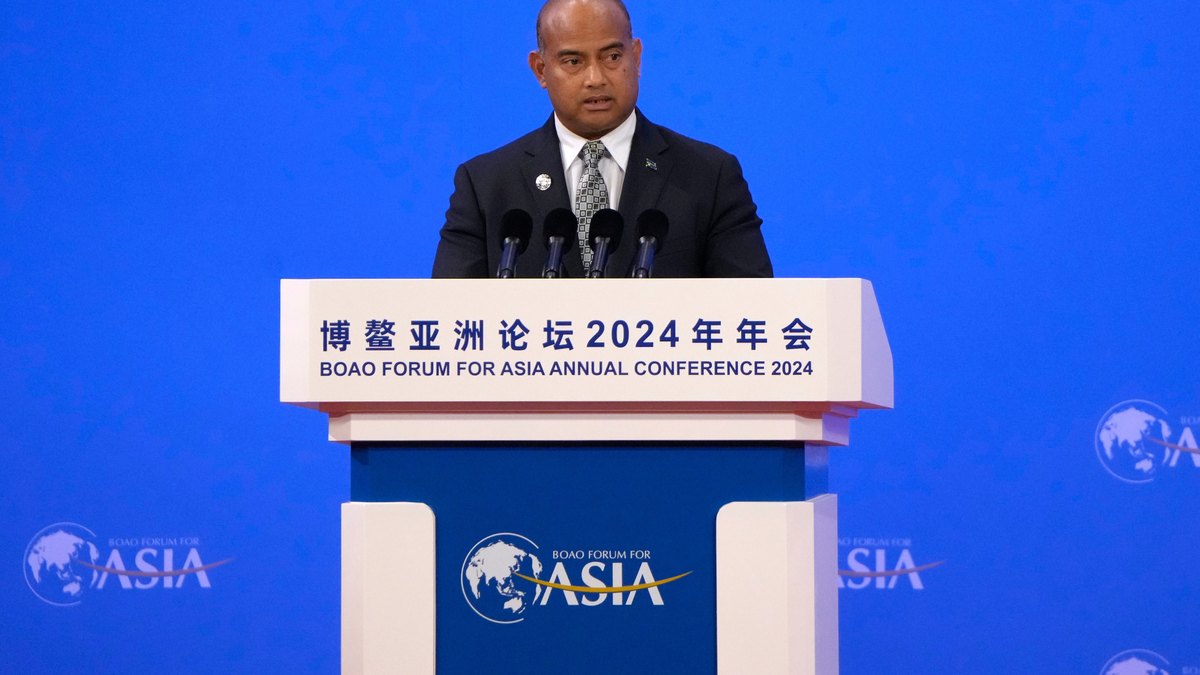
Madaxweyne David Adeang ayaa soo jeediyay bedelka magaca bishii Janaayo, isagoo yiri: "This proposed change seeks to more faithfully honor our nation's heritage, our language, and our identity.". Waxaa ansixiyay sharci-dejiyayaashu labo wareeg oo codbixin ah.
Dowladdii ayaa sheegtay in sharci-dejiyayaashu go'aameeyeen in aan loo baahnayn cod-ballis aan dadweyne ahayn ka dib "extensive discussions". Magacu "is already the identity of the people, is on the national coat of arms, and spoken in the community; and importantly is allowed by the Constitution".
Calaamadaha Caalamiga ah iyo Halista Cimilada
Koodhka caalamiga ah ee waddanku wuxuu ka beddelay NRU una beddelay NRO, dadkiina waxaa loo yaqaan dei-Naoero halkii laga oran jiray Nauruan. Mareykanka iyo Shiinaha safaaradahoodu, UN-na waxay isticmaalaan Naoero tan iyo Juun.
Nauru waa mid ka mid ah waddammada ugu khatarta badan ee ay saameyso kororka badda cimilada awgeed. Dowladdii waxay raadineysaa maal-gashi shisheeye iyada oo loo marayo barnaamij jinsiyad lacag ah si loo guuriyo dadka iyo kaabayaasha.
Taariikhda iyo Dhaqaalaha
Jasiiradda Nauru waxaa gumeystay Jarmalkii, ka dibna Australia maamashay, ilaa ay xorriyaddii 1968-kii qaadatay. Qodayaasha fosfooriga ayaa hanti weyn abuuray 1970-yadii, laakiin warshaddu markii ay burburtay 1990-yadii dhaqaale ayaa halis galay.
Bedelka magacu wuxuu muujinayaa "the beginning of renewed national pride" sida uu xusay Adeang. Waddanku wuxuu ku soo noqonayaa magaciisii dhaqameed, iyadoo la raacayo tibaaxaha "the move would return the remote South Pacific island nation to its traditional name".
President David Adeang has formally renamed Nauru the Republic of Naoero, a move that restores the nation's traditional name and signals a broader rebranding effort aimed at honoring indigenous heritage and identity.
A Return to Traditional Identity
The constitutional amendment was proposed in January and has now been endorsed by lawmakers in the required two rounds of voting, though it remains unclear whether the document has been formally amended. The government stated that after extensive discussions, a public referendum was deemed unnecessary, arguing that the name Naoero has never been lost but was simply waiting to be fully embraced by the international community.
President Adeang described the change as the beginning of renewed national pride, emphasizing that the proposed name more faithfully honors the nation's heritage, language, and identity. The designation is already embedded in the national coat of arms and spoken within the community, making it a natural evolution rather than a departure from tradition.
Global Recognition and Practical Implications
The United Nations has already updated its records to reflect the new name following a government request in June, while Australia, New Zealand, the United States, and China have also begun designating the country as Naoero on their official websites. This swift international adoption underscores the significance of the shift and its potential to reshape how the world engages with this remote Pacific nation.
The renaming will necessitate updates to national aircraft, ships, and all official documentation, as the country's international code transitions from NRU to NRO. Additionally, the people of Nauru will now be known as dei-Naoero, replacing the previously used term Nauruan, further cementing the cultural and linguistic reclamation at the heart of this historic decision.
Context of Climate Crisis and Economic Resilience
With just 12,000 residents, Nauru is the world's third-smallest country by population, trailing only Tuvalu and Vatican City. The island's history is marked by dramatic economic swings, from the immense wealth generated by phosphate mining in the 1970s to near-total economic collapse in the 1990s, leaving the nation vulnerable to the escalating threats of climate change.
Today, rising sea levels pose an existential threat, prompting the government to pursue overseas investment through a paid citizenship program designed to fund the relocation of people and infrastructure away from the encroaching ocean. This strategic initiative reflects the nation's determination to secure its future while simultaneously reclaiming its cultural identity through the renaming process.