Fahad Yaasiin: Heshiiska Makkah wuxuu tillaabo taariikhi ah u yahay Soomaaliya iyo gobolka
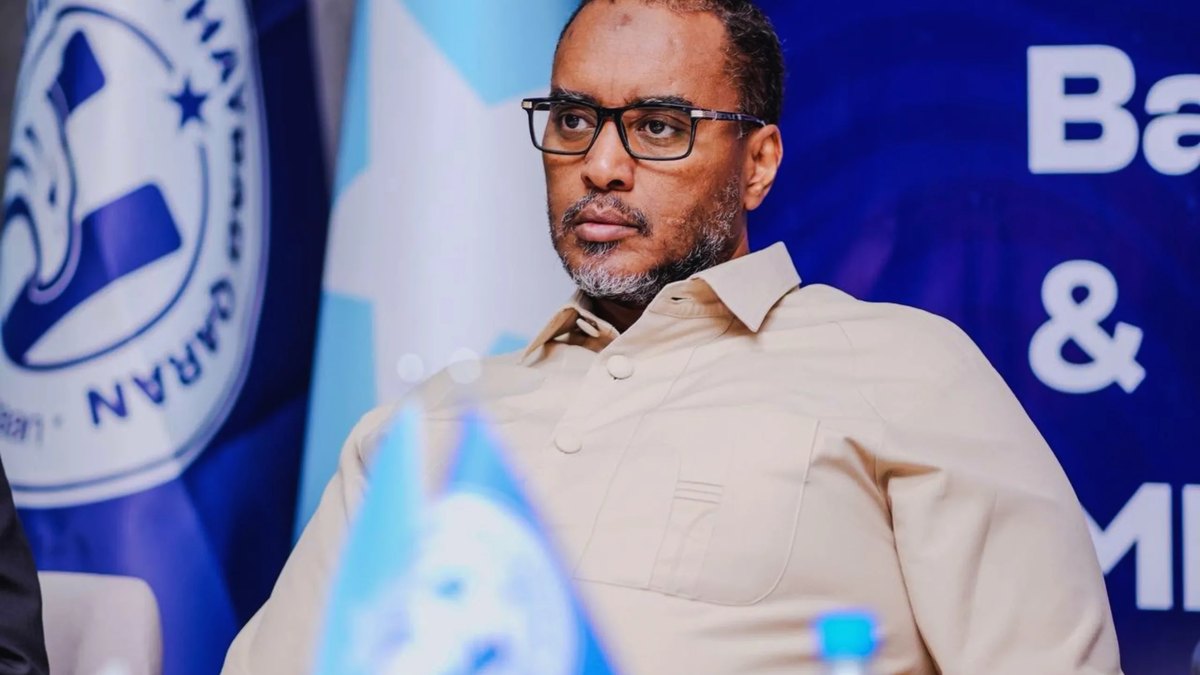
Fahad Yaasiin Xaaji Daahir, oo ahaan jiray agaasimaha NISA iyo la-taliyaha amniga qaranka, ayaa sheegay in Soomaaliya ka mid noqon karto dalalka ka faa’iideysan heshiiskii difaaca ee Makkah. Wuxuu ku tilmaamay 'tallaabo taariikhi ah' oo saameynteedu aanay ku ekaan saddexda dal ee saxiixay.
Saxiixii Heshiiska iyo Qodobbadiisa
Jimcihii magaalada Makkah ayaa heshiiskii difaaca wadajirka ah ku saxiixeen Dhaxal-sugaha Sacuudi Carabiya Maxamed bin Salmaan, Madaxweynaha Turkiga Recep Tayyip Erdogan iyo Ra’iisul Wasaaraha Pakistan Shehbaz Sharif. Heshiiska ayaa dhigaya in weerar hubeysan oo lagu qaado mid ka mid ah saddexda dal loo aqoonsan doono weerar lagu qaaday dhammaantood.
Ujeeddada heshiiska waa in la xoojiyo awoodda wadajirka ah ee looga hortagayo gardarro dibadeed, isla markaana la sii qoto-dheereeyo iskaashiga dhinacyada difaaca, ciidamada iyo amniga. Soomaaliya kama mid aha saxiixayaasha, sidaas darteed qodobkaas si rasmi ah uguma fidinayo dalka.
Faa’iidada Soomaaliya iyo Xiriirka Quwadaha
Fahad Yaasiin wuxuu yiri: "Soomaaliya waxay ka mid tahay dalalka ka faa’iideysanaya heshiiskan, maadaama amnigeeda qaranku uu taageero xooggan ka helayo deegaankeeda Carabta iyo Islaamka." Wuxuu qaba in Soomaaliya ay ka faa’iidaysan karto isku-soo-dhowaanshaha saddexda dal ee saameynta ku leh Bariga Dhexe iyo Geeska Afrika.
Turkigu wuxuu Muqdisho ku leeyahay saldhigga TURKSOM oo kumannaan askari laga tababaray, Pakistanna waxay balaarineysaa xiriirka amni ee Soomaaliya. Sacuudi Carabiya waxay xiriir dhaqaale iyo siyaasadeed uga leedahay Soomaaliya, taas oo ka dhigta dalka laba ka mid ah quwadaha la shaqeeya.
Muhiimadda Istaraatiijiga ah ee Gobolka
Heshiisku wuxuu leeyahay muhiimad ka baxsan saddexda dal, gaar ahaan dalalka Badda Cas iyo Badweynta Hindiya. Fahad Yaasiin ayaa sheegay in mideynima quwadaha Islaamku farriin cad u direyso qof kasta oo waxyeello raadinaya amniga gobolka, xilli xiisaduhu sii kordhayaan.
Soomaaliya waxay leedahay xeeb dheer oo ku fidsan Gacanka Cadmeed iyo Badweynta Hindiya, taas oo amniga badda ka dhigay arrin muhiim ah. Faa’iidada ugu weyn ee Soomaaliya waa isbahaysi ay la leedahay quwado Muslim ah oo xiriir amni oo hore uga dhex abuurmay Muqdisho.
Fahad Yaasiin Xaaji Daahir, former head of Somalia's National Intelligence and Security Agency, said Mogadishu stands to gain from the historic collective defense treaty signed in Makkah between Saudi Arabia, Turkey and Pakistan, even though Somalia did not sign the agreement itself.
A Historic Pact for the Red Sea and Indian Ocean
The Makkah Collective Defense Treaty was signed on Friday by Saudi Crown Prince Mohammed bin Salman, Turkish President Recep Tayyip Erdogan and Pakistani Prime Minister Shehbaz Sharif. It stipulates that an armed attack against one of the three parties will be considered an attack against all, aiming to strengthen collective power to counter external aggression and deepen cooperation in defence, military and security sectors.
Fahad Yaasiin described the treaty as a historic step and a strategic decision to protect the interests of countries on both sides of the Red Sea and Indian Ocean. He said its impact will not be limited to the three countries that directly signed it, especially regarding countries on the Red Sea and Indian Ocean sides where regional competition is intensifying.
Why Somalia Matters to the New Security Architecture
Somalia is not among the countries that signed the treaty, so the provision that an attack on one country is considered an attack on all does not formally extend to Somalia. However, Fahad Yaasiin believes Somalia can benefit from the growing closeness and cooperation among three countries with significant political, military and economic influence in the Middle East, Horn of Africa, Red Sea and Indian Ocean.
Turkey has the largest military presence and defence cooperation with the Federal Government of Somalia, operating the TURKSOM training base in Mogadishu where thousands of Somali soldiers have been trained. Ankara has expanded its cooperation beyond military training to include maritime security, defence, energy and long-term strategic cooperation, while Pakistan has recently taken steps to expand its defence and security relationship with Somalia.
A Clear Message to the Region
Fahad Yaasiin said the unity and integration of major Islamic powers at this critical time sends a clear message to anyone trying to harm the strategic security of the three countries and their region. He noted that the gathering carries a special message as security tensions and mistrust in the region continue to increase, with heavy pressure on the regional security system and growing concerns about the safety of ships, energy pipelines and strategic waterways.
Somalia's greatest benefit will come from forming an alliance that closely cooperates on security and defence matters with Muslim powers that already have important political, military and security ties with Mogadishu. The treaty comes at a time when Somalia's long coastline stretching across the Gulf of Aden and the Indian Ocean makes maritime security an increasingly important issue as regional and international powers expand their military and economic presence in the Horn of Africa.