Dhulgariir baaxad weyn oo ka dhacay Galbeedka Kolombiya ayaa ku dhintay in ka badan 110 qof
Degmooyinka saboolka ah ee Chocó ayaa si xun u saameeyay, iyadoo gargaarka ay caqabad ku yihiin burburka kaabayaasha iyo go'doominta
Dhulgariir dhumucdiisu ahayd 7.4 ayaa ku dhuftay galbeedka Kolombiya 10-kii Ogosto 2026, isagoo dilay ugu yaraan 111 qof oo ay ku dhaawacmeen 87 kale, oo ay ku jiraan carruur. Xaruntiisu waxay u dhowdahy San José del Palmar ee gobolka Chocó.
Burburka iyo Dhibaatooyinka Degmooyinka
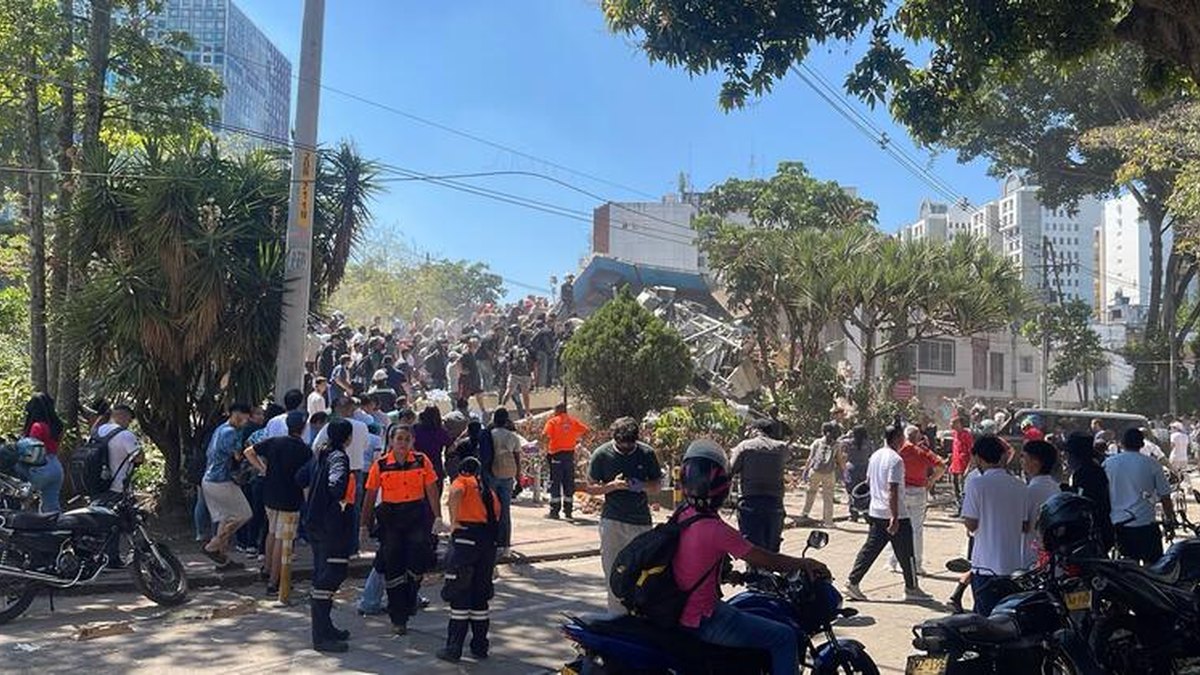
Dhulgariirkii wuxuu burburiyay 1,575 guri, 37 kalena waa la baabiiyay, 61 dhisme oo kale ayaa dumay. Waxaa sidoo kale waxyeello gaartay 18 xarumood oo caafimaad iyo 52 goobood oo waxbarasho, taasoo muujinaysa baaxadda dhibaatada.
Gobolka Chocó, ee ah degaanka ugu saboolsan Kolombiya, ayaa mar hore la halgamayay iskahorimaad iyo faqri, isla markaana cisbitaalladiisu waa burbureen. Waxaa jira farqiga nolosha halis gelinaya ee helitaanka daryeelka caafimaadka, hoyga iyo baahiyaha aasaasiga ah.
Dadka iyo Hawlaha Badbaadinta
Magaalada Pereira, oo u dhow 35 mayl xarunta dhulgariirka, duqdeedu wuxuu sheegay 18 qof oo halkaas ku dhintay. Magaalada Cali waxaa ka dhacay dhowr dhul-go' oo ay dad ku xannibmeen, waxaana la codsaday xoojin howlaha samatabbixinta.
Ammaanaha gargaarka ayaa weli socda iyadoo tiradii dhimashadu ay kordheyso, iyadoo wararku muujinayaan in dad ay ku xanniban yihiin burburka. Madaxweyne Abelardo de la Espriella ayaa xaqiijiyay in "The immediate priority is to rescue the people who remain trapped under the rubble."
Jawaabta Caalamiga ah iyo Gargaarka
Qaramada Midoobay waxay soo bandhigtay taageerada Kolombiya ka dib musiibada, kooxahooduna waxay la xiriirayaan mas'uuliyiinta qaranka. WFP, PAHO, IOM iyo UNFPA waxay muujiyeen diyaargarowga gargaarka, iyadoo UNFPA ay ka digtay khatarta rabshadaha jinsiga.
Hay'adda qaxootiga ee UNCHR ayaa qiraynaysa saamaynta dhulgariirka oo diyaar u ah isku dubaridka. Xiriirka xaddidan ee miyiga ayaa caqabad ku ah qiimeynta buuxda, laakiin dawladdu waxay hawlgelisay nidaamka degdegga ah.
A powerful 7.4 magnitude earthquake struck western Colombia on August 10, 2026, killing at least 111 people and injuring 87, including several children. The tremor hit at 7:34am local time near San José del Palmar in Chocó, Colombia's poorest department, with its epicentre close to Valle del Cauca.
Widespread Destruction and Ongoing Rescue Efforts
The earthquake was felt across large parts of Colombia and in neighbouring countries including Panama, Ecuador and Venezuela. Initial reports indicate that homes and other structures have collapsed in several towns, with people still trapped beneath the debris as authorities continue search and rescue operations as the death toll rises.
According to the official tally available at 2:45pm local time, 1,575 homes had been damaged and 37 destroyed, while 61 buildings had collapsed. Damage was also reported at 18 health centres and 52 educational facilities, with limited connectivity in some rural areas making it difficult to assess the full impact of the earthquake.
Cities Hit Hardest and Evacuation Orders Issued
Pereira, a city of around 500,000, lies about 35 miles from the epicentre, and the city's mayor reported 18 dead there. In Cali, authorities have reported multiple landslides with people trapped and have requested reinforcements for rescue operations.
Evacuation orders were issued as far away as the capital, Bogotá, which sits 250 miles east of San José del Palmar. Several airports in western Colombia suspended operations while facilities are inspected, as the Government of Colombia has activated its emergency response mechanisms and continues to assess damage and needs in affected areas.
International Response and Humanitarian Concerns
The UN offered its support to Colombia after the earthquake, with teams in Colombia liaising with national authorities and the country's disaster risk management agency to closely monitor the situation and support the national response. An initial emergency response meeting is being prepared together with the Government to determine needs and what assistance could be mobilized.
Colombian President Abelardo de la Espriella said the immediate priority is to rescue the people who remain trapped under the rubble. The World Food Programme (WFP) said it has the capacity to provide humanitarian assistance, while the International Organization for Migration (IOM) is monitoring the situation and stands ready to support the response, including providing assistance to those displaced.