Dhalinyarada Ummadaha Asaliga ah ee Brazil: Muuqaalka iyo Codka waa Dagaal
Hoggaamiyayaal dhalinyaro ah oo ka tirsan hindisaha UN Verified ayaa u sheekeynaya adduunka saameynta cimilada iyo doorashada fanka
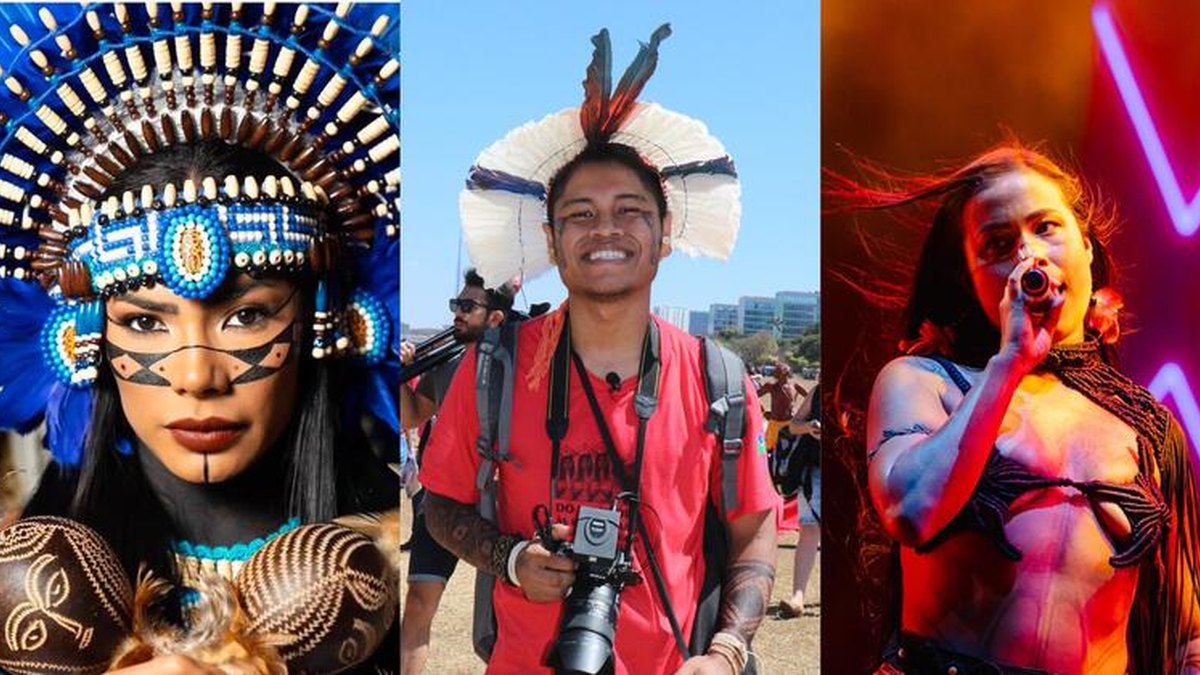
Saddex hoggaamiye dhalinyaro ah oo ka tirsan ummadaha asaliga ah ee Brazil ayaa wadaagay sida ay ugu adeegsanayaan codkooda iyo hal-abuurka si ay gaaraan malaayiin qof ka hor Maalinta Qaramada Midoobay ee dadka asaliga ah ee adduunka 9-da August. Dhamaantood waa xubno ka tirsan hindisaha UN Verified.
Kharashka Cimilada ee Dhulalka Asaliga ah
Marciele Albuquerque waa qoob-ka-ciyaaraha iyo ganacsade ka dhashay dadka Munduruku. Waxay ku koray Juruti ee Amazonka Brazil, laakiin maanta waxay tidhi: 'We can feel it's getting hotter every year. The fruits are no longer as abundant as they used to be. We once found them close to the village, right in the forest. Now we have to walk much farther, and even then there isn't the same quantity. Droughts have become extreme, and so have the floods.'
Cristian Wariu waa sawir-qaade iyo xiriiriye ka dhashay dadka Xavante ee Parabubure Indigenous Territory ee gobolka Mato Grosso. Wuxuu yidhi: 'Life has become increasingly unsustainable because these fires are now uncontrollable. They severely affect the Xavante people's food chain, and that also makes it easier for foods that are not good for our people to enter our communities. One problem leads to another, and eventually it reaches our health.' Qiyaastii 370 milyan oo qof ayaa cimilada la kulma.
Heesaha iyo Guuritaanka Magaalooyinka
Kaê Guajajara waa hees-yaqaan ka dhashay dadka Guajajara ee Mirinzal ee Maranhão. Waxay ku koray xaafadda Maré favela ee Rio de Janeiro, iyadoo qiyaastii kala badh dadka asaliga ah ee Brazil ay hadda magaalooyin ku nool yihiin. Waxay tiri: 'Our traditional songs once celebrated the beauty of nature and our relationship with it. Today, those same songs speak about our territories and about being forcibly removed from them. They tell the story of deforestation because we're living it.'
Kaê waxay tiri: 'Today it's increasingly common to hear the sound of the maracá alongside synthesizers.' Heeskeeda Samaúma oo loo bixiyay geed qadiimi ah ayaa muujinaya falsafadeeda: 'No matter how much concrete you pour onto the ground, the roots will always push through. They will always grow and break the concrete, taking everything back.'
Awoodda Muuqaalka iyo Fanka
Cristian Wariu wuxuu yidhi: 'Demarcation is no longer just about politics. It's also about occupying screens. One strengthens the other.' Marciele Albuquerque waa haweenkii ugu horreysay ee loo doorto Cunhã-Poranga ee Bandhigga Dhaqanka Parintins, waxayna sanadkan ku guuleysatay iyadoo la jileysa Boi Caprichoso. Waxay tiri: 'I'm not representing only my own people. I'm representing Brazil's extraordinary Indigenous diversity.'
Saddexda hoggaamiye waxay wadaagaan aragti ah in caqabadaha imanaya aysan daciifinayn bulshooyinkooda, balse ay ka dhigayan kuwo xooggan oo mideysan. Iyadoo ay xubno ka yihiin UN Verified, waxay fanka iyo baraha bulshada u isticmaalayaan sidii qalab u dagaalanka war-xumo ku saabsan cimilada.
Three young Indigenous leaders from Brazil shared how they are using dance, music and photography to defend their lands and reach millions online ahead of the UN's 9 August celebration of Indigenous Peoples worldwide.
Climate Hits the Amazon and the Cerrado
Marciele Albuquerque, a dancer and entrepreneur from the Munduruku people, grew up in Juruti in the Brazilian Amazon where childhood meant gathering fruit steps from her village. She now says the forest no longer provides the same abundance it once did.
She told UN News: 'We can feel it's getting hotter every year. The fruits are no longer as abundant as they used to be. We once found them close to the village, right in the forest. Now we have to walk much farther, and even then there isn't the same quantity. Droughts have become extreme, and so have the floods.'
Fire, Displacement and a New Digital Front
Cristian Wariu, a photographer from the Xavante people, comes from the Parabubure Indigenous Territory in Mato Grosso state where wildfires are now uncontrollable and are reshaping the Cerrado biome. He says the fires severely affect the Xavante people's food chain and eventually reach their health.
He told UN News: 'Life has become increasingly unsustainable because these fires are now uncontrollable. They severely affect the Xavante people's food chain, and that also makes it easier for foods that are not good for our people to enter our communities. One problem leads to another, and eventually it reaches our health.'
Songs, Screens and the Power of Visibility
Kaê Guajajara, a singer-songwriter from the Guajajara people, was born in Mirinzal in Maranhão state and was raised in Rio de Janeiro's Maré favela, where around half of Brazil's Indigenous population now lives. She says her traditional songs now speak about being forcibly removed from their territories.
She told UN News: 'Our traditional songs once celebrated the beauty of nature and our relationship with it. Today, those same songs speak about our territories and about being forcibly removed from them. They tell the story of deforestation because we're living it.'