Colombia ayaa bilaabaysa howlaha dib-u-dhiska kadib dhulka isku dhacay 7.4
Muddo todobaad kadib markii dhul isku dhac 7.4-ka ah ku dhacay galbeedka Colombia, ciidamada daaweynta ayaa sii waday howlahaaga, iyadoo la xaqiijiyay in 289 qof ay ku dhinteen, 4,187 kalena ay ku dhaawacmeen, halka 127,557 guri ayaa la dilaacay.
Dhibaatada iyo howlaha daaweynta
Ciidamada daaweynta ee Colombia ayaa todobaadkii la soo dhaafay ku guuleystay inay 354 qof ka badbaadiyaan dhulka isku dhacay, balse xaaladda ayaa si weyn u adag. Maamulka ayaa sheegay in 143 qof ay ku jiraan meelaha aan la ogeyn, halka baasaboorka rasmiga ah ee Colombia Te Busca uu sheegay in 3,000 qof ka badan ay ku jiraan meelaha la raadinayo.
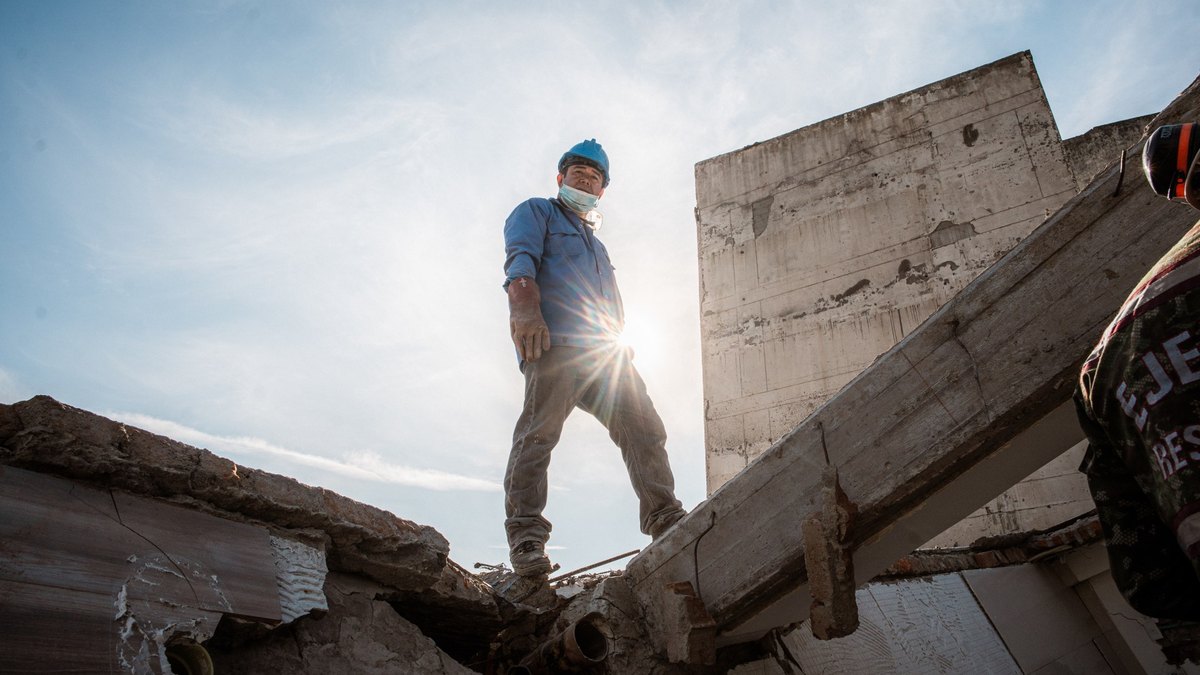
Sergeant Joel Bustamente, hoggaamiyaha ciidamada Bogota ee Cali, wuxuu yiri: 'Todobaadkii la soo dhaafay wuxuu ahaa mid adag, waqtiga kalsooni la'aan, waana diiradda saarnaa raadinta iyo badbaadinta qof kasta.' Wuxuu intaas ku daray in howlaha daaweynta ay ku dhamaadeen, isla markaana la bilowday howlaha dib-u-dhiska iyo burburinta dhulka.
Dib-u-dhiska iyo taageerada caalamiga ah
Madaxweynaha Colombia, Abelardo de la Espriella, wuxuu diiwaangeliyay inuu bixi doono lacag dhan $6.4bn si loo dhisayo dhismayaasha la burburiyay, isagoo sidoo kale ogolaaday inuu lacagta ka helo bangiga adduunka ee $450m. Wadamo badan ayaa bixiyay taageero, iyadoo Midowga Yurub uu bixiyay 2 milyan oo yuro, halka Mareykanku uu bixiyay $15.5m.
Xilligan, hay'adaha caalamiga ah ayaa diiradda saaray inay u sameeyaan guryo iyo meelo lagu noolaado dadka burburay. Egido Sanz, hoggaamiyaha ActionAid, wuxuu yiri: 'Xaqiiqada ugu muhiimsan ee hadda jirta waa in la bixiyo guryo iyo meelo lagu noolaado.' Cali iyo Pereira ayaa la beddelay meelo lagu noolaado, laakiin qaar ka mid ah dadka ayaa la sheegay inay u baahan yihiin taageero.
Deegaannada la xaqiijiyay inay adag yihiin
Choco, deegaanka ugu yaryar ee Colombia, wuxuu ahaa meesha dhulka isku dhacay, isagoo sidoo kale ah deegaan adag oo dhaqaale. Quibdo, magaalo ku taalla Choco, waxaa la sheegay in 2,723 guri ayaa la dilaacay, 1,337 ka mid ahna ayaa la sheegay inay u baahan yihiin in la dhisayo. Dadka deegaanka ayaa sheegay in dowladdu ay adag tahay inay si degdeg ah uga jawaabto.
Nestor Martinez, 65 jir ah oo ka shaqeeya dukaan buuxa oo ku yaalla Buenaventura, wuxuu sheegay in dhaqaalaha uu ka baxay dhibaatada uu yahay 350 milyan oo pesos ($111,000). Wuxuu yiri: 'Waa inaad lacagta ka helaysaa meel kasta oo aad heli karto si aad u noolaato.' Dadka kale ee deegaannada kale ayaa sidoo kale u baahan taageero, iyadoo dowladdu ay adag tahay inay si degdeg ah uga jawaabto.
One week after a magnitude 7.4 earthquake devastated western Colombia, rescue teams are winding down operations as authorities pivot toward rebuilding homes, schools and infrastructure across 15 affected provinces.
Rescue Efforts Wind Down Amid Ongoing Search
Emergency response teams have saved 354 lives in the past week, but the chances of finding survivors under the rubble have dropped sharply. Sergeant Joel Bustamente, leading the Bogota Fire Department in Cali, said the operation has entered a new phase focused on reconstruction and demolition. Search and rescue operations at the seven-storey Vanessa Building in Cali were suspended on Friday, with officials now recovering bodies instead. Despite the grim outlook, volunteers insist hope remains alive, noting that the window for survival could extend up to 15 days.
As of Sunday night, 143 people remain unaccounted for according to government figures, though an unofficial online database called Colombia Te Busca lists more than 3,000 missing. The discrepancy highlights the difficulty of tracking individuals in remote and devastated areas. The earthquake struck San Jose del Palmar in the Pacific region, sending shockwaves through nearby cities including Pereira, Quibdo and Cali, leaving vast swathes of infrastructure in ruins.
Housing Crisis and Neglected Regions Demand Urgent Aid
More than 120,000 families were affected by the earthquake, with authorities under pressure to provide shelter for the homeless. In cities like Cali and Pereira, sports stadiums and community centres have been converted into temporary shelters, receiving donations of food, water and clothing. However, ActionAid's country director Egido Sanz warned that institutional response at the national level regarding temporary or permanent shelters has been lacking. In wealthier areas, many displaced families have relied on private networks rather than state support.
The situation is far worse in Choco, Colombia's poorest department and the epicentre of the quake. In Quibdo, a city of roughly 130,000 people, 2,723 homes were damaged and 1,337 are now uninhabitable. Local resident Yilson Marmolejo said there has been no institutional response at the national level regarding shelter construction. Meanwhile, the wider province, much of which is only accessible by river, remains a mystery to outsiders, with the true scale of devastation still unclear.
Economic Fallout and International Donations Mount
President Abelardo de la Espriella, inaugurated just three days before the earthquake, has pledged a reconstruction fund estimated at least $6.4bn. He declared an economic emergency and opted to increase borrowing, primarily through a $450m credit line from the World Bank. The president also faced criticism for restricting rescue teams to Israel, El Salvador and the US, countries ideologically aligned with his government. His finance minister estimated the total cost of damage at a staggering figure that underscores the scale of the crisis.
International donations have poured in, including a 2 million euro ($2.3m) pledge from the European Union and $15.5m from the US. Nestor Martinez, a 65-year-old bicycle shop owner in Buenaventura, estimates the disaster cost him approximately 350 million pesos ($111,000), but like many Colombians, he has no business insurance. He said he must scrape together money wherever he can to get back on his feet, reflecting the broader economic hardship facing hundreds of thousands of Colombians.