Baarlamaanka Lubnaan oo meelmariyay sharci cafis guud, maalin ka dib markii la tirtiray xukunka dil
Sharci cusub oo yimi 1991 kadib ayaa loo jeedinayaa yaraynta dadka xabsiga ku jira
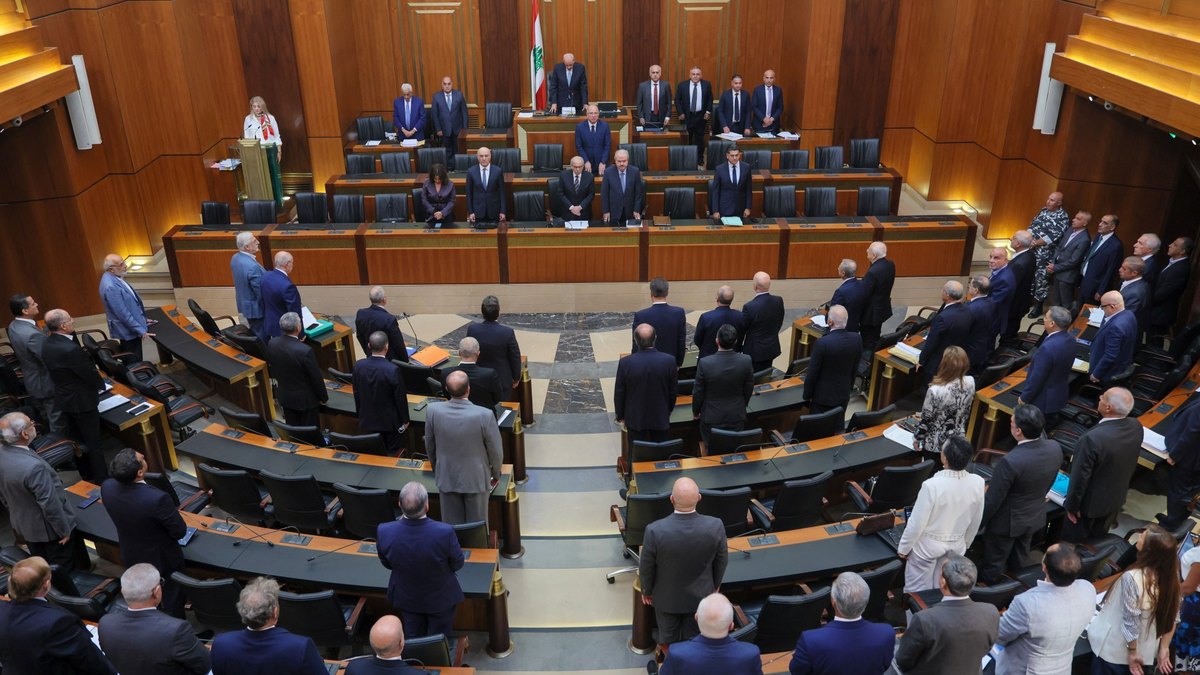
Baarlamaanka Lubnaan ayaa meelmariyay sharci cafis guud oo la filayo inuu u fududaan doono kumanaan maxbuus, dad xabsiga loo hayo iyo kuwa la raadsan yahay. Sharciyada ayaa loo ansixiyay sidii cod-bixin gacan-qaad ah oo ka dhacday Arbacadii, wuxuuna ahaa midda ugu horreysa tan iyo 1991.
Ansixinta sharciyada iyo xukunka dil
Baarlamaanka Lubnaan wuxuu sidoo kale si rasmi ah u tirtiray xukunka dil maalin ka hor inta aan la ansixin sharciga cafiska. Xafiiska guddoomiyaha baarlamaanka ayaa sheegay in sharcigu uu si 'deegaan' ah u yarayn doono ereyada xabsiga qaar.
Sida uu qabo xildhibaan Imad al-Hout, sharcigu wuxuu ereyada kuwa dilka iyo xabsiga daa'imka ah hoos u dhigay 17 'sano xabsi'. Tani waxay u dhigantaa 12 sano iyo sagaal bilood oo xabsi dhab ah, iyadoo sano xabsi loo xisaabiyo sagaal bilood.
Ujeedada iyo xaaladda xabsiyada
Sharciga cafisku wuxuu ujeedkiisu yahay yaraynta buuxsanaanta xabsiyada, halkaas oo maxaabiis badan ay sanado sugayaan maxkamad. Guddiga Qaranka ee Xuquuqda Aadanaha ayaa 2025 ku sheegay in xabsiyadu buuxsanaayeen 300 boqolkiiba, iyadoo 6,268 maxbuus la diiwaangeliyey dhamaadkii Maarso.
Sharcigu wuxuu dhigayaa in la sii daayo maxaabiista tijaabada ku jira ee aan eede lahayn oo in kabadan 12 sano xabsi la hayay. Waxaa sidoo kale la filayaa in ay kaalmeeyaan dadka xabsiga loo hayo iyo kuwa la raadsan yahay kumanaan qof.
Doonmada siyaasadeed iyo taariikhda
Dambi-bixinta guud waxaa kordhiyay dhicitaankii 2024 ee madaxweynihii hore ee Suuriya Bashar al-Assad. Inta badan maxaabiista waxay ka yimaadaan magaalada Tripoli ee Lubnaan waqooyi, waxaana lagu eedeeyaa weerarada ciidanka iyo qorshayaasha qaraxyada.
Xisbiyada Masiixiyiinta ayaa dalbaday in qoysaska 2000 u baxay Israa'iil la cafiyo. Lubnaan markii ugu dambeysay sharii cadafis ah ayay meelmariyay ka dib dagaalkii sokeeye ee 1975-90.
Lebanon's parliament approved a sweeping general amnesty law on Wednesday, the first of its kind since 1991, in a show-of-hands vote that is expected to benefit thousands of convicted prisoners, detainees and wanted individuals across the country.
Key Provisions of the Amnesty Legislation
The legislation, which passed in a show-of-hands vote, would exceptionally reduce certain prison terms and is the first law of its kind since 1991. It reduces sentences for those facing death and life imprisonment to 17 prison years, equivalent to 12 years and nine months of actual time served, given Lebanon's calculation of a prison year as nine months.
The law also mandates the release of inmates in ongoing trials who have been detained for more than 12 prison years without charges. Deputy Walid Baarini praised the long-awaited passage, expressing hope it would mark a new chapter that brings justice to those who deserve it.
Prison Overcrowding and Political Drivers
The amnesty law aims to reduce severe overcrowding in prisons, where many inmates have awaited trial for years. The country's National Human Rights Commission reported in its 2025 findings that prisons had an overcrowding rate of 300 percent, with at least 6,268 inmates recorded by the end of March.
A push for general amnesty gained momentum after the 2024 fall of Syrian president Bashar al-Assad, as Lebanon jailed many prisoners over events linked to the Syrian civil war. Most of those prisoners hail from northern Lebanon's Sunni-majority city Tripoli and are accused of crimes including attacking the Lebanese army and planning bombings.
Broad Political Support and Regional Demands
Numerous political factions have demanded amnesty for their communities, including the Iran-backed Shia movement Hezbollah and its ally Amal, whose supporters in eastern Baalbek and Hermel have long sought relief for drug-related offences and car theft. Christian parties also pushed for the law to include families of those who fled to Israel after its 2000 withdrawal from southern Lebanon.
Lebanon previously passed a general amnesty law in the wake of its 1975-90 civil war, and this latest legislation follows the formal abolition of the death penalty by parliament a day earlier. The law is expected to benefit thousands of convicted prisoners, detainees and wanted people across the country.