Xarigto 100 sano hore ah oo ku jirta Queensland ayaa muujinaysa inay ku dhacday 'dagaal saddex geesood ah' oo dhulka ka dhacay
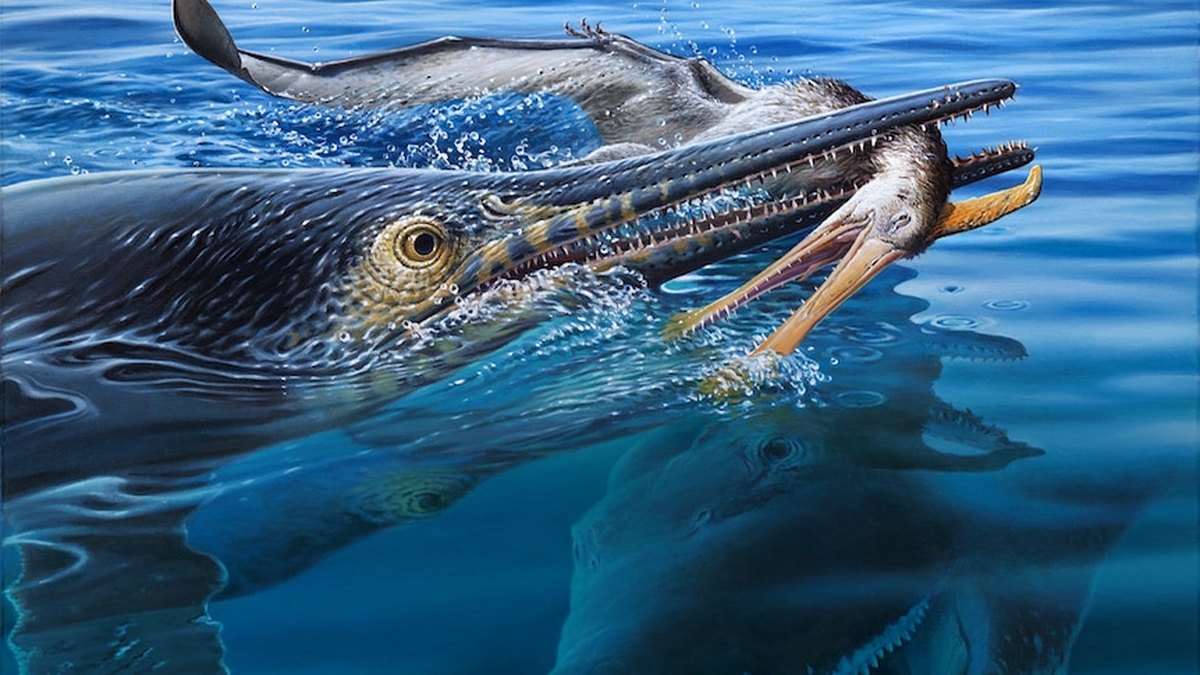
Fossilado 100 sano hore ah oo laga helay dhulka Queensland ayaa muujinaya inay ku dhacday xarigto saddex geesood ah oo ay ku jiraan xayawaan badda ku nool, mid hawada ku jira iyo mid kale oo badda ku nool.
Xarigto saddex geesood ah oo la helay
Fossilado 100 sano hore ah oo laga helay dhulka Queensland ayaa muujinaya inay ku dhacday xarigto saddex geesood ah oo ay ku jiraan xayawaan badda ku nool, mid hawada ku jira iyo mid kale oo badda ku nool.
Matt White, oo ka tirsan Jaamacadda New England, ayaa sheegay inay tahay mid ka mid ah kuwa ugu muhiimsan ee la helay oo muujinaya xiriirka u dhexeeya saddexno xayawaan kala duwan.
Sida xarigtu u dhacday
Kevin Petersen, oo ahaa maamulaha muuseymka Kronosaurus Korner, ayaa sheegay inuu arkay in qaybta dhexe ee xayawaanka badda ku nool ay noqotay mid la burburiyay.
Petersen ayaa sheegay inuu ahaa kronosaurus oo leh 100 dhinac oo sharaf leh oo awood u leh inuu burburiyo xayawaan yar oo badda ku nool.
Muhiimadda xogta
Dean Lomax, oo ka tirsan dalalka Ingiriiska, ayaa sheegay inay tahay mid ka mid ah kuwa ugu muhiimsan ee la helay oo muujinaya xiriirka u dhexeeya saddexno xayawaan kala duwan.
Lomax ayaa sheegay inay tahay mid ka mid ah kuwa ugu muhiimsan ee la helay oo muujinaya xiriirka u dhexeeya saddexno xayawaan kala duwan.
Fossils unearthed in north-west Queensland have provided scientists with direct evidence of a rare three-tier predator interaction in the Eromanga Sea 100 million years ago.
A Rare Discovery of Three Predators in One Scene
Fossils of an ichthyosaur, a pterosaur and a kronosaurus were found in north-west Queensland, an area that was once the Eromanga Sea. The find is one of only a handful of cases showing interaction between three different species.
University of New England associate researcher Matt White, who played a leading role in the discovery reported in the Gondwana Research journal, said the more than 30 bite marks could be the most recorded in any marine fossil.
The Ichthyosaur 'BOB' and the Kronosaurus Attack
Travellers Mick and Cathy Freeman found the ichthyosaur, named 'BOB' for 'bag of bones', in 2019. Three years later, Kevin Petersen, curator of Richmond's Kronosaurus Korner museum, began unearthing the 'murder scene' and found the midsection shattered with many bite marks.
The only predator capable of such violence was a kronosaurus, which could grow up to 14 metres and had more than 100 sharp teeth. Dr White described it as 'the T-rex of the ocean'.
A World-First: Pterosaur Remains in the Ichthyosaur's Stomach
Some of the ichthyosaur's stomach remains were preserved, marking a world-first. It contained pterosaur remains, the first documented case of such a finding. Some pterosaurs had a wingspan of up to 12 metres.
British palaeontologist Dean Lomax, who was not involved in the research, said the fossil records a trophic interaction between a pterosaur eaten by an ichthyosaur that was then partly consumed by a giant pliosaur.