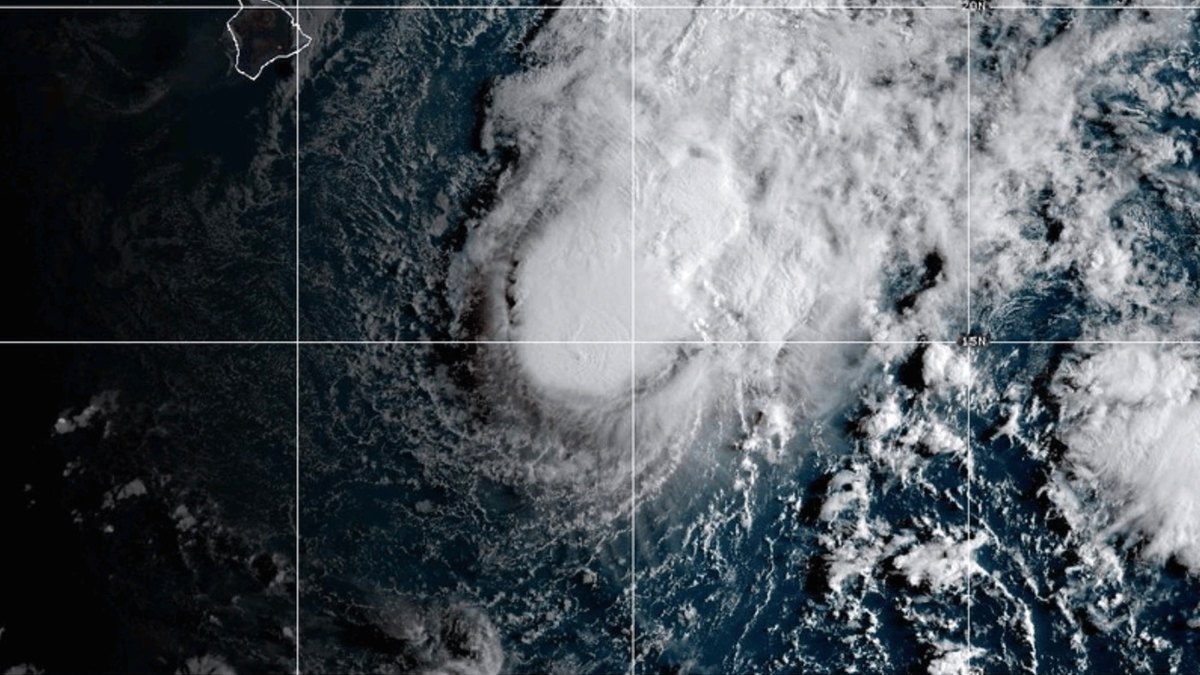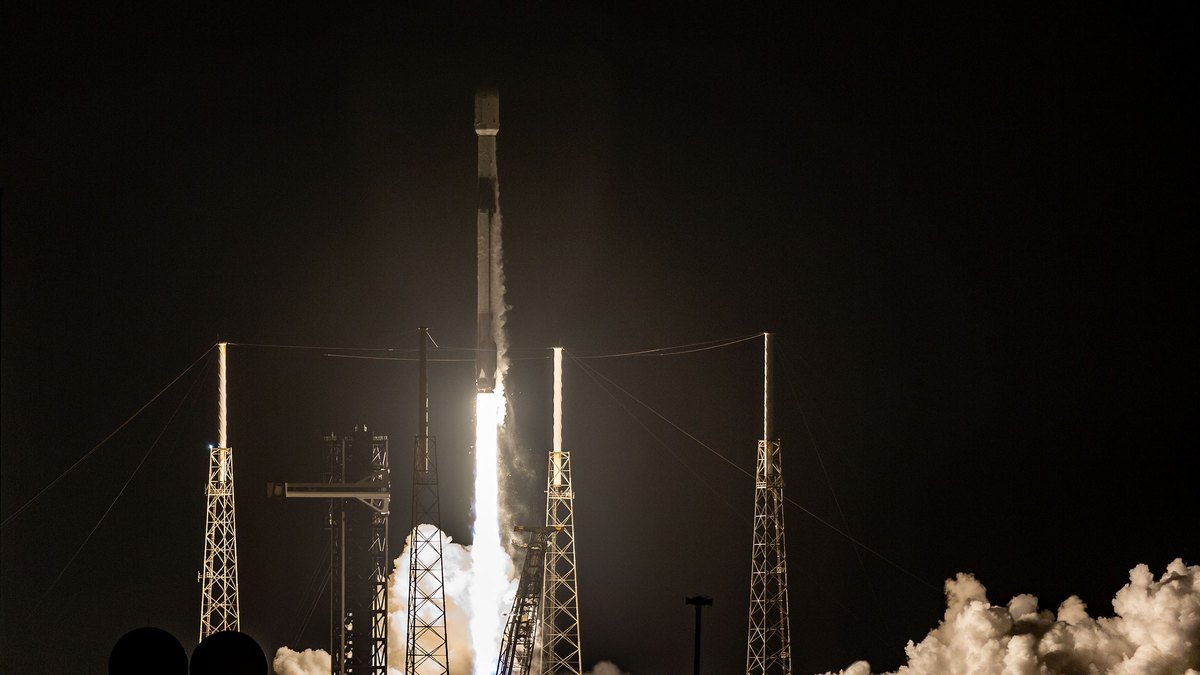
Marakiibta Falcon 9 ee SpaceX ayaa ku dhacaya Dayaxa Agoosto 5, Qaraxyo Burbur ah Oo Laga Yaabo In Laga Arko Dhulka
Mararka sare ee SpaceX Falcon 9 ayaa la filayaa inay ku dhacdo cirifka galbeed ee Dayaxa u dhow crater-ka Einstein ee qorraxda ku fidsan, qiyaastii 6:34 subaxnimo UTC bishii 5aad ee Agoosto. Saameynta ayaa dhacaya xawaare ka badan 5,400 mph, waxaana laga yaabaa inay sameyso qiiq burbur oo ifaya oo laga arki karo Dhulka qalabka saxda ah.
Saadaasha Saameynta iyo Baaxadda Burburka
Daraasadihii cusbaa ee preprint-ka ayaa muujinaya in dhacdadu ay dhici doonto meel aan weli lala arag dhalaal saameyn oo wajiga qorraxda ku fidsan ee Dayaxa. William Jo oo ah arday dhakhtarnimo ee UT Austin ayaa hoggaamiyay shaqo la dhigay July 27 arXiv, isagoo ku shaqeeyay jimicsi fiisikis oo muujinaya 3,900 kg bir ah oo faaruq ah oo dhulka ku dhacda.
Qolofdu waxay isku ururi doontaa cidhifka ilaa xudduudda, iyadoo abuuraysa daah ciidd ah oo baaxaddisu gaari karto 183 km iyo suul toos ah, iyadoo la saadaalinayo in la raro qiyaastii 12,700 kg burbur. Jo wuxuu qeexay jimicsiga inuu yahay "best-case" model, koodhku waa 2D oo kaliya hoos u dhaca.
Aragtida Dhulka iyo Goobaha Ugu Fiican
Qiiq gaaraya 50 km wuxuu dabooli doonaa 28 arcseconds, Laurence Trafton oo ah xiddigiye ayaa yiri "it can be easily resolved by a small telescope". Qiiqgu wuxuu ka dhuuman doonaa 30 ilaa 300 jeer marka loo eego Dayaxa, wuxuuna gaarayaa heerkiisa ugu sarreeya 90 ilbiriqsi ka dib.
Waxay u badan tahay in dadka woqooyiga Massachusetts ilaa Texas ay arki waydiyaan sababtoo ah jawiga qaro weyn, laakiin koonfur-bari ee Maraykanka ayaa fursadaha ugu fiican leh. Bill Gray oo Project Pluto ayaa markii ugu horreysay digniinta soo saaray.
Macnaha Sahaminta Dayaxa Mustaqbalka
NASA waxay rabtaa inay astronootiga dib ugu soo celiso Dayaxa dhowr sano gudahood, Shiinaha wuxuu sidoo kale ku tartamayaa inuu bini'aadamka dhulka dhigo. Qalab kasta oo degaya wuxuu reebaa qalab orbit-ka ah oo dhici kara, Jo wuxuu yiri "Those particles that come out will be coming out at maybe 300, 400 meters per second".
Xakamaynta boodhka inta lagu jiro hawlgallada Dayaxa waa dhibaato weyn, sida Goldstein xusay. Tani waxay muujinaysaa muhiimadda daraasadda burburka Falcon 9 si loo diyaariyo saldhigyada aadanaha ee mustaqbalka.
New simulation studies estimate impact effects as lunar exploration expands
A spent SpaceX Falcon 9 upper stage is expected to hit the Moon's sunlit western limb near Einstein crater at about 6:34 am UTC on August 5. The impact at over 5,400 mph may produce a debris plume briefly visible from Earth with proper equipment.
Impact Forecast and Simulation Findings
The collision is projected near Einstein crater on the Moon's sunlit face, where no impact flash has ever been recorded. Research draws on two new preprint studies, including one posted July 27 to arXiv led by William Jo of the University of Texas at Austin.
Jo simulated 3,900 kilograms of hollow metal hitting the surface; the shell collapses edge-inward, spreading soil up to 183 kilometers wide and displacing about 12,700 kilograms of debris. Jo calls the model a 'best-case' simulation limited to straight-down impact.
Viewing Prospects from Earth
A plume reaching 50 kilometers past the limb would span about 28 arcseconds; astronomer Laurence Trafton states 'it can be easily resolved by a small telescope'. The plume will be 30 to 300 times fainter than the Moon and peak about 90 seconds after impact.
North of a Massachusetts-to-Texas line, viewers face over three times usual atmosphere thickness; the US Southeast offers the best odds of seeing the debrisworks. Bill Gray of Project Pluto first flagged the incoming impact.
Context for Lunar Exploration
Past missions include NASA's 1999 Lunar Prospector with negative water results and a 2009 impact that detected water ice. A 2022 crash was misidentified as Falcon 9 but was likely a Chinese booster per Gray.
NASA plans astronauts on the Moon within years and China also races there; every lander leaves orbital hardware that may fall. Jo warns particles at 300–400 m/s are abrasive, and Goldstein says dust control is a top problem.