Kamishkaasha badda ee 'Whale Sharks' waa 'snackers' ku dhaqan, muuqaalada laga qaaday dhinaca badda ayaa muujinaya
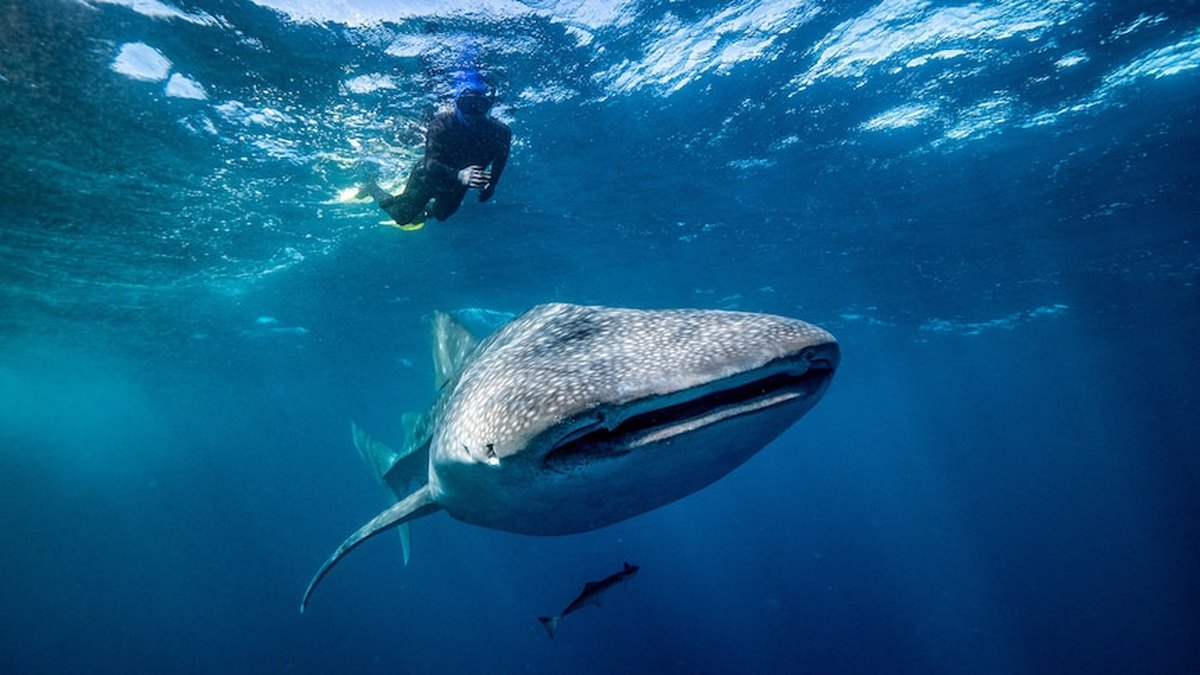
Muqaallo laga qaaday dhinaca kamishkaasha badda ee 'Whale Sharks' ayaa muujinaya inay yihiin 'snackers' ku dhaqan, iyagoo si joogto ah uga cunaya badda. Tani waa baaritaan koowaad oo loo sameeyay dhinaca muuqaallada kamishkaasha badda.
Muqaallo cusub oo muujinaya cunto-bixinta kamishkaasha badda
Taageerayaasha 'Australian Institute of Marine Science' (AIMS) iyo 'Murdoch University' ayaa dhinaca dhagaxda kamishkaasha badda ku xiray kamerooyin, iyagoo baaritaan ku sameeyay 'Ningaloo Reef' oo ku yaalla Australia. Tani waa baaritaanka koowaad ee loo sameeyay dhinaca muuqaallada kamishkaasha badda, iyadoo la eegay 100 ka mid ah qoraallada akadeemiga ah.
Dr. 'Christine Barry' oo ah qorshayaasha baaritaanka ayaa sheegtay in baaritaanku uu ka muujiyay 36 nooc oo cunto-bixinta ah, kuwaas oo ka badan kuwa 'baleen whales' iyo 'basking sharks'. Tani waxay muujisay in kamishkaasha badda ay leeyihiin habab cunto-bixinta ah oo kala duwan.
Sababta cunto-bixinta kala duwan ee kamishkaasha badda
Dr. Barry ayaa sheegtay in 'krill' ee badda qabow uu ka badan yahay, halka badda tropikaal ah uu ka yar yahay. Tani waxay muujisay in kamishkaasha badda ay u baahan yihiin habab cunto-bixinta ah oo kala duwan si ay u helaan cunto.
Muqaallada ayaa muujinaya in kamishkaasha badda ay si joogto ah u cunaan, iyagoo marka ay helaan cunto weyn u sameeya cunto weyn. Tani waxay muujisay inay yihiin 'snackers' ku dhaqan.
Muqaallada 'Ningaloo Reef' iyo baaritaannada soo socda
Muqaallada ayaa muujinaya in kamishkaasha badda ay si joogto ah u cunaan, iyagoo marka ay helaan cunto weyn u sameeya cunto weyn. Tani waxay muujisay inay yihiin 'snackers' ku dhaqan.
Dr. Barry ayaa sheegtay in 'Ningaloo Reef' uu yahay meel muhiim u ah kamishkaasha badda, iyadoo la xaqiijiyay inay si fiican u ilaashan yihiin.
For the first time, video captured from the perspective of whale sharks has shown the ocean's largest fish to be a serial snacker, changing how scientists understand their feeding habits.
A Unique Study of Whale Shark Feeding Behaviours
Researchers from the Australian Institute of Marine Science and Murdoch University attached cameras to the dorsal fins of five whale sharks at Ningaloo Reef. The footage revealed 36 distinct behaviours, including six feeding habits never before recorded. This is a wider array than those displayed by baleen whales and basking sharks.
Lead author and AIMS PhD candidate Christine Barry said this was the first study to use video from the whale sharks' perspective and included reviews of 100 other journal articles. The findings show that whale sharks have evolved a diverse set of feeding strategies to thrive in tropical waters where prey is less abundant than in cooler regions.
Slow Feeding and Environmental Adaptation
The footage showed that slow-feeding behaviours were the most common and were present at depths as low as 100 metres. These included the whale sharks slowly sinking or diving towards the sea floor with their mouths open to catch as much prey as possible.
Ms Barry said the whale sharks change their feeding style depending on how much food is in the water. It seems like the whale sharks are always responding to the environment and the krill that they are coming across rather than feeding at a uniform time.
Witness Accounts and Conservation Implications
Coral Bay Ecotours photographer Laura Gourgas once witnessed two whale sharks feeding on a giant bait ball. She said, 'I have been working for four years and we always see them feeding passively, but that day was craziest day I had at work.'
Ms Barry said the Ningaloo Reef was a more important foraging site than was originally thought. They aggregate in Ningaloo seasonally, but they also migrate lots of other countries. But they are very well protected and managed when they are at Ningaloo, so it is really important for them.