Sida Jarmalku u Caawinayo Dhibanayaasha Weerarkii Berlin Pride
Ka dib markii Abdul Ballout uu xarig ku daray dadkii xafladha, mas'uuliyiinta iyo ururada taageerada ayaa bixinaya gargaar qaan-gaar ah.
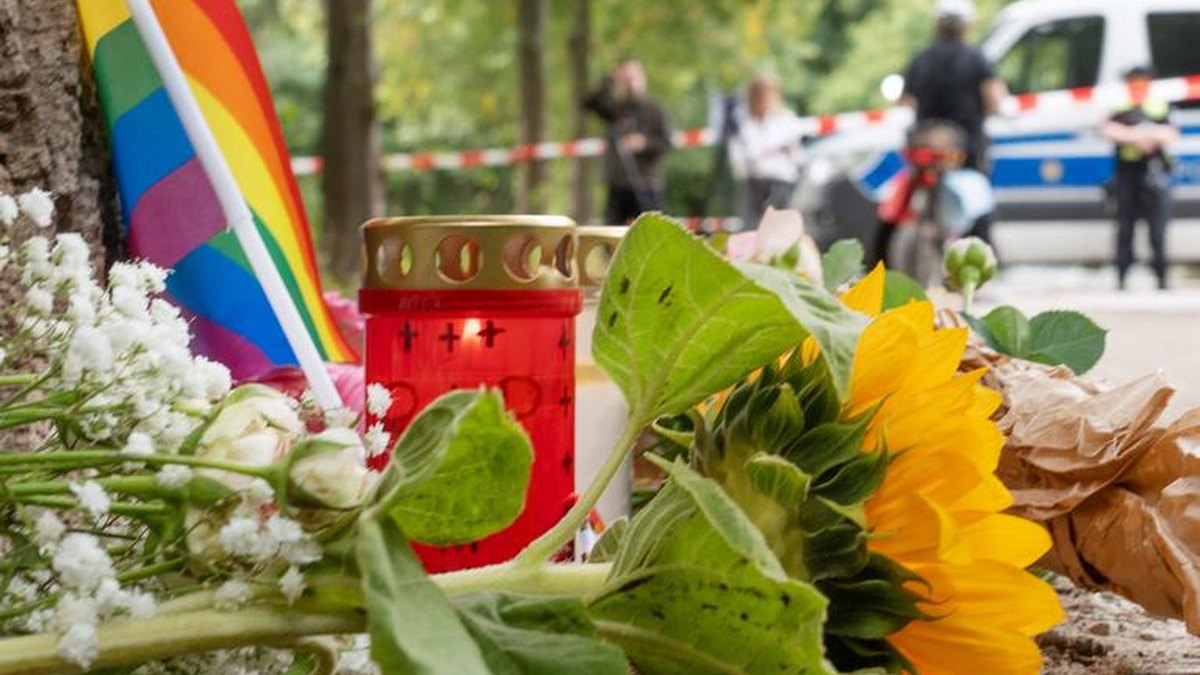
Fiidkii July 25, Abdul Ballout wuxuu gaari van cad ku daray dad badan oo ku sugnaa Tiergarten park u dhow Brandenburg Gate, isagoo dilay haweeney 65 jir ah oo reer Poland ah oo dhaawacay gabadheeda iyo 30 qof oo kale. Laba maalmood ka dib, booliisku way dilen markii uu cararayay.
Gargaarka Rasmiga ah ee Dhibanayaasha
Roland Weber waa wakiilka dawladda federaalka ee dhibanayaasha argagixisada iyo rabshadaha xagjirka. Wuxuu caawinayaa dhibanayaasha kharashyada dabagalka iyo magdhawga marka uu dhaco fal argagixiso ama xagjirnimo. Taageeradiisu waa mid aan xad lahayn waqti ahaan.
Weisser Ring waa urur tabarucayaal ah oo booliska la shaqeeya si uu u siiyo la-talin dhibanayaasha dembiyada. Rolf Schmachtenberg waa guddoomiyaha gobolka Berlin. Wuxuu yiri: 'In cases where people have suffered permanent harm, the assessment procedures are often quite lengthy... the main'.
Xaaladda Caafimaadka iyo Dhibanayaasha Qarsoon
Aqoonsiga dhibanayaasha lama shaacin sababtoo ah sharciga ilaalinta xogta ee Jarmalku waa adag yahay. Dhibanayaashu waxay la xiriiri karaan warbaahinta haddii ay doonaan. Xitaa kuwii arkay weerarka boqol meters dhowr ah waxaa loo tixgeliyaa dhibane.
Qaar dhaawac ah ayaa horey ugu baxay isbitaalka oo hadda daaweyn fog ka helaya, kuwa kale waxay bilaabayaan daaweyn iyo dhiirigelin. Weber wuxuu yiri: 'What I saw there was distressing. But thanks to modern medicine... recover as fully as possible'.
Su'aalaha aan Laga Jawaabin iyo Dhibka Maxkamadda
Weerarka Berlin Pride, Falkii waa la dilay, sidaas darteed macluumaad buuxda oo ku saabsan ujeedadiisa ma jiri doonto. Baaritaannada Jarmalku way joogsadaan haddii tuhmanuhu dhinto. Maxkamadna weligeed ma go'aamin doonto haddii Ballout uu u doortay dhibanayaasha sabab gaar ah.
Weber wuxuu wali caawinayaa dadkii ay saameeyeen weerarradii 1980-meeyadii. Raadinta jawaabaha waa wax ay dhibanayaasha badankoodu wadaagaan, laakiin mar walba ma horseedi karto hubaal.
Roland Weber, Germany's federal commissioner for victims of terrorism, has outlined the financial and psychological assistance available to those injured in the July 25 van attack on Berlin Pride, while acknowledging that some questions about the perpetrator's motives will remain unanswered.
The Attack and Its Aftermath
On the evening of July 25, Abdul Ballout drove a white van into a crowd celebrating Berlin Pride in Tiergarten park near the Brandenburg Gate, then attacked people with a large knife, killing a 65-year-old Polish woman and injuring her daughter and 30 others, some seriously. Two days later, police shot Ballout dead while he attempted to flee during an arrest attempt.
Germany's strict data protection laws mean the identities of the victims are not publicly known, but the federal commissioner confirmed that even witnesses several hundred metres away may be considered victims and that the search for answers cannot always lead to certainty because the suspect is dead.
Financial and Medical Aid
Weber visited hospitalised survivors and said, 'What I saw there was distressing. But thanks to modern medicine, and because the doctors are optimistic, there is reason for hope that everyone will recover as fully as possible,' though he added that in some cases the outcome remains uncertain and others are now receiving outpatient treatment or therapy.
Victims can apply for hardship payments funded by the Bundestag, a special provision in cases of terrorist attacks that few people know about, while the commissioner's support has no time limit and continues to assist people affected by attacks dating back to the 1980s.
Psychological Impact and Administrative Hurdles
Julia Kühne, spokesperson for the Association for Victims of Terrorism, warned that symptoms of trauma may not emerge until years later because those affected were initially in shock or had returned to everyday life, and that survivors of previous attacks may be retraumatized by media coverage of the current incident.
Weisser Ring, a volunteer-run victim support organisation, believes adequate compensation schemes are in place but the main problem is one of implementation, with some authorities still relying on paper files and fax communications that significantly delay the application process.