Dhulka Daaqsimeedka: Muhiimadda Ay Leeyihiin Cunnada iyo Nolosha Malaayiin Qof
Dhulka daaqsimeedku wuxuu ka furan yahay qaarad kasta marka laga reebo Antarctica, wuxuuna qayb muhiim ah ka yahay nidaamka cunnada adduunka. Laba bilyan oo qof ayaa ku tiirsan dhulkan cunto, xoolo iyo macaash, laakiin boqolley 40 ayaa horey u burburay ama khatar ku jirta.
Burburka Dhulka Daaqsimeedka ee Botswana iyo Kazakhstan
Botswana, qiimeyn qaran oo deegaan ah ayaa la dhisay iyadoo ay ka qayb qaateen in ka badan 2,000 oo qof. Natiijadu waxay muujisay in meelaha ay maamulka dhaqanka ee bulshada ay xooggan yihiin, dhulka daaqsimeedku uu fiican yahay.
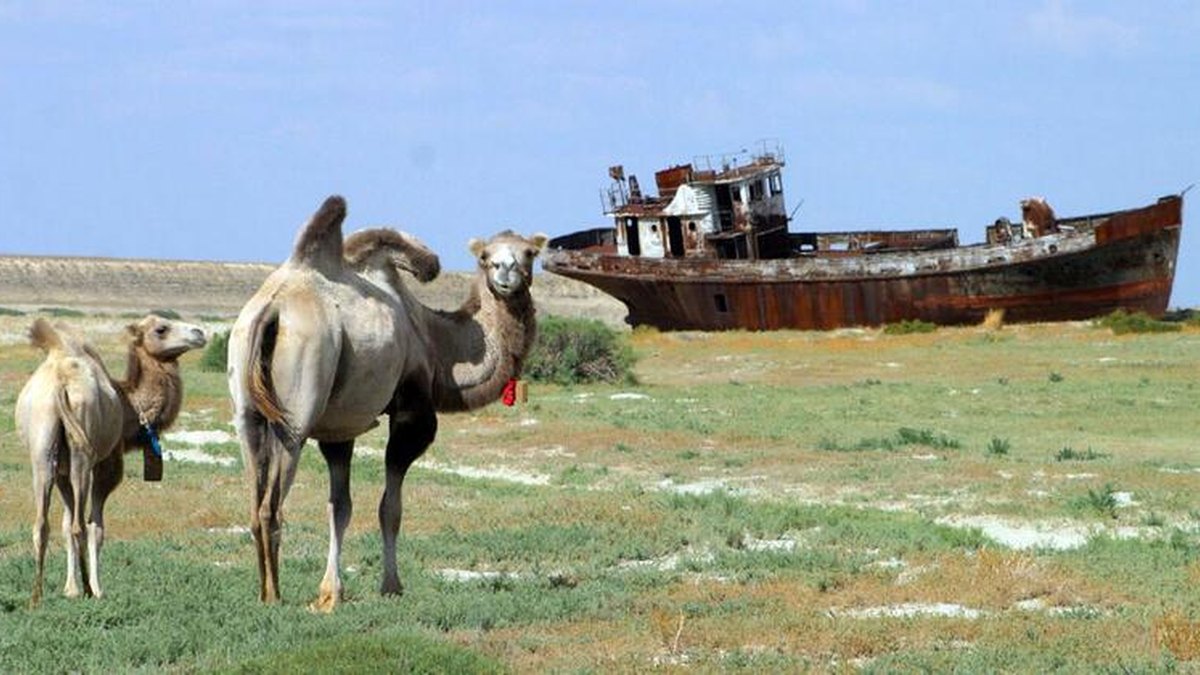
Kazakhstan, Badda Aral ee Bartamaha Aasiya intii badan way baabba'day, taasoo abuurtay lamadegaan milix ah oo ah 5.4-milyan hektar. Gobolka Kyzylorda, in ka badan 80 boqolley daaqaha ayaa hadda burburay.
Kenya iyo Dhibaatooyinka Saxaraha Chalbi
Degmada Marsabit ee waqooyiga Kenya waxaa ku yaal saxaraha Chalbi. Diiwaannada satelaytka ee laga soo bilaabo 1990 ayaa muujinaya in dhulka cawska ah uu si tartiib ah u noqday mid bini-aadan la'aan ah.
Haddii aysan waxba isbeddelin, saxaraha Chalbi waxaa la saadaalinayaa inuu labanlaabmi doono muddo tobanaan sano gudahood, taasoo liqaysa daaqaha ay ku tiirsan yihiin bulshooyinka xoolo-dhaqatada ah.
Tallaabooyinka iyo Doodda Ulaanbaatar
Kazakhstan waxay bilowday abaabul geedo saxaul ah oo ku taal sariirta badda qalatay, taasoo hadda daboolaysa 337,000 hektar, waxayna beegsanaysaa 1.1 milyan markaaba 2030. Kenya waxay isku dartay 33 sano oo xog satelaytka ah iyo xusuusta odayaasha.
Caqabadaha dhulka daaqsimeedka ayaa laga doodi doonaa shir qaramada midoobay ee saxaraha ee Ulaanbaatar, Mongolia laga bilaabo 17 August. BES-Net waa mid ka mid ah hindisayaasha ugu weyn ee UN Development Programme Nature Pledge.
Rangelands span every continent except Antarctica and sustain 2 billion people, yet up to 40 per cent are already degraded or at risk of vanishing due to drought, overgrazing and neglect.
A Global Food System Under Pressure
These grasslands, shrublands and drylands supply nearly 70 per cent of the world's livestock feed, but when they fail, families lose their herds and communities face food insecurity in real time.
The stakes are personal: a rangeland collapse is not an abstract environmental loss, but a market with fewer animals to sell and a livelihood unravelled before the herder's eyes.
Three Nations, Three Warnings
In Botswana, a nationwide ecosystem assessment involving more than 2,000 contributors revealed that grasslands are shrinking as invasive plants spread and droughts intensify, though areas with strong community-led governance hold up better.
Kazakhstan's Kyzylorda region has seen over 80 per cent of its pastures degraded since the Aral Sea largely vanished, leaving behind a 5.4-million-hectare salt desert that now fuels toxic dust storms across thousands of kilometres.
Restoration Through Data and Trust
Kenya combined 33 years of satellite data with the memories of Indigenous elders to guide restoration in Marsabit County, where the Chalbi desert is projected to double in size within decades if nothing changes.
Across all three countries, the response follows a similar pattern: pairing hard evidence with local knowledge, because restoration sticks when people see their own experience reflected in the solution.