
Iran waxay ku adkeysatay shuruudaha dib-u-furista Badda Hormuz kadib markii Trump uu diiday heshiiska
Iran ayaa Axaddii ku adkeysatay in dib loo furro Badda Hormuz iyadoo diiday inay ka tagto shuruudahooda, halka Madaxweyne Donald Trump uu Sabtidii diiday qorshaha saddex maalmood ah ee Tehran ku soo gudbisay Golaha Guud ee Qaramada Midoobay.
Qorshaha Iran iyo diidmada Trump
Iran waxay soo bandhigtay qorshe toban maalmood ah oo lagu doonayo in dib loo furro Badda Hormuz, kaas oo ku saleysan in la joojiyo dagaallada dhammaan dhinacyada Bariga Dhexe, inkastoo Trump uu Sabtidii ka hadlayay guriga Cadmiga uu diiday qorshahaas.
Wasiirka Arrimaha Dibadda Iran, Abbas Araghchi, ayaa yiri: 'Shuruudaha maanta waa caddeyn, waxaana ku xiran in dib loo furro Badda Hormuz in shuruudahaas la qabto, waana inaan ka gudbin doonin.' Trumpna wuxuu yiri: 'Waxaan diiday qorshahaaga... waxay doonayaan inay heshiis sameeyaan iyagoo badda furaya sababtoo ah waxay u baahan yihiin inay ka gudbaan.'
Waxqabadihii u dhexeeyay iyo xaaladda badda
Iran waxay sheegtay inay qorshaha u gudbisay Washington iyadoo ku xiran wakiilada Qatar, halkaas oo Trump uu diiday, balse Araghchi ayaa sheegay in wakiilada ay wali u gudbin waayeen jawaab rasmi ah.
Badda Hormuz waxay ku jirtaa xaalad adag, iyadoo Iran ay ku xadgudubtay in la isticmaalo wadooyin kale, halkaas oo ay sheegtay inay ku dhacaan nolosha iyo maalgashiga, inkastoo baddu ay ku jirto xadka dhaqaale ee Mareykanka.
Saamaynta badda Hormuz ee adduunka
Badda Hormuz waxay ahayd waddo muhiim ah oo lagu soo qaado ilaa hal boqolkiiba labaatankii ee maalgashiga adduunka ee badda, iyadoo Iran ay sheegtay inay ku xadgudubtay in la isticmaalo wadooyin kale, halkaas oo ay sheegtay inay ku dhacaan nolosha iyo maalgashiga.
Waxaa sidoo kale muhiim u ah badda Hormuz inay noqoto waddo lagu soo qaado biyaha iyo qalabka, iyadoo Iran ay sheegtay inay ku xadgudubtay in la isticmaalo wadooyin kale, halkaas oo ay sheegtay inay ku dhacaan nolosha iyo maalgashiga.
Iran on Sunday reaffirmed its non-negotiable conditions for reopening the Strait of Hormuz, even as US President Donald Trump publicly dismissed Tehran's seven-day proposal at the White House on Saturday.
Tehran's Unwavering Stance on Diplomatic Terms
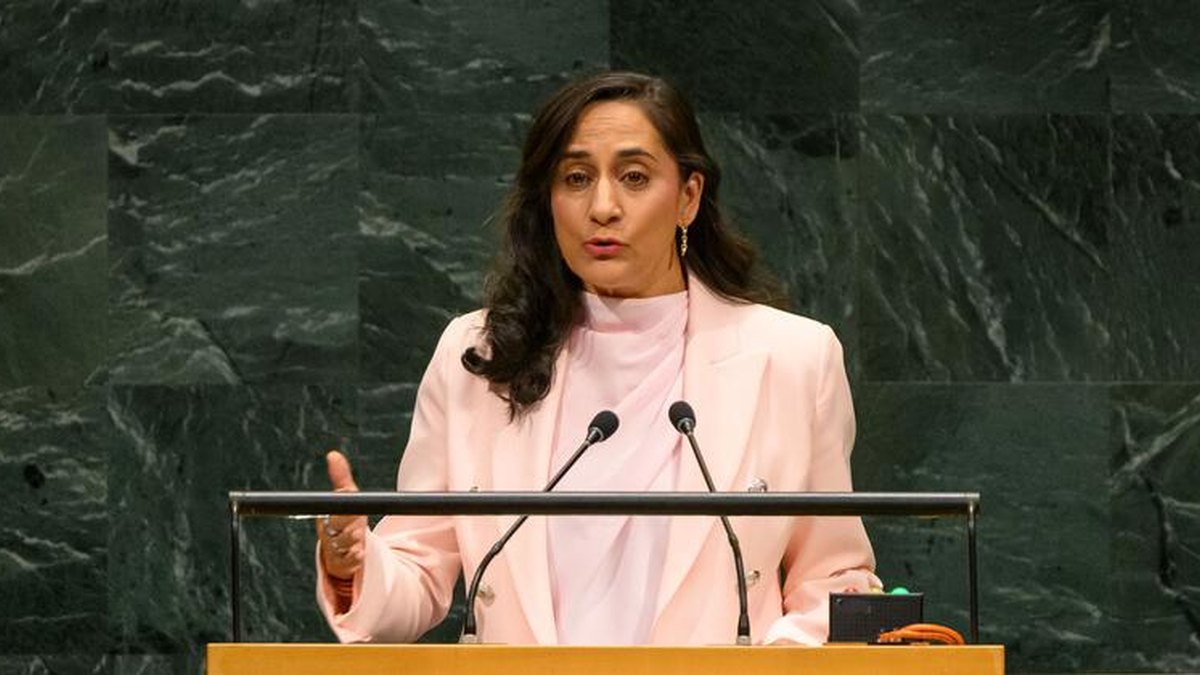
Foreign Minister Abbas Araghchi declared that Iran's conditions for reopening the Strait of Hormuz remain clear and non-negotiable, insisting that any diplomatic progress must first satisfy Tehran's demands. He emphasized that while Iran has never closed the door to negotiations, it will never compromise on its rights. The seven-day plan, presented at the UN General Assembly in New York, calls for a complete cessation of hostilities across the Middle East, including Lebanon, and the fulfillment of the collapsed ceasefire deal's terms.
Araghchi noted that Iranians have observed the initial reaction from President Trump but have received no formal communication from Qatari mediators so far. He stated that Tehran is awaiting the definitive positions conveyed by these mediators before making any further decisions. The ceasefire agreement that underpins Iran's demands originally required the release of frozen Iranian assets, the lifting of sanctions on Iranian oil, and an end to the US naval blockade.
Trump's Rejection and the Escalating Standoff
President Trump publicly rejected Iran's proposal on Saturday during a press briefing at the White House, stating that he had turned down their deal outright. He accused Iran of seeking an immediate opening of the Strait while they are 'losing so badly' in the conflict. Despite Trump's claims of US control over the waterway, the Strait of Hormuz remains largely closed to international shipping, with Iranian ports still under a US naval blockade as Washington pressures Tehran to lift the closure.
Iranian Foreign Minister Araghchi responded by saying that Tehran saw the first reaction from the US president but has not yet received any formal response from the mediators. He added that Iran will base its next decision on the definitive positions communicated by these intermediaries. The situation remains tense as both sides dig in, with no immediate resolution in sight.
Strait of Hormuz: A Global Energy Lifeline at Risk
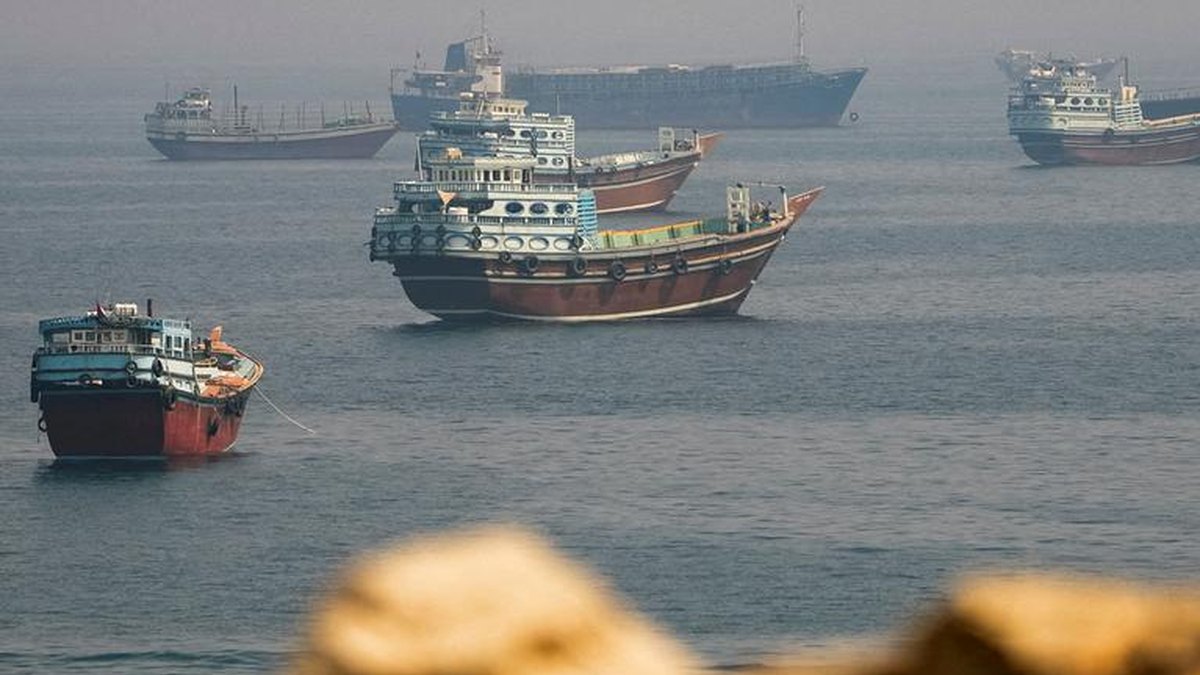
The Persian Gulf Strait Authority (PGSA), established by Iran to manage the Strait of Hormuz, issued a stern warning to ships using 'illegal routes' in the region. The authority cautioned that such actions risk financial and life losses for the vessel, owner, master, and crew, and could severely restrict future passage through the Strait. It further warned that all vessels belonging to a company breaching its rules could face restrictions in the future.
Before the conflict began, approximately a fifth of global oil demand passed through the Strait of Hormuz, making it a critical artery for international energy trade. The waterway is also a vital route for liquefied natural gas and fertilizer shipments. The ongoing closure continues to disrupt global supply chains and heightens economic uncertainty worldwide.
Ilaha iyo xuquuqda sawirka
Sawir: DW World Xigasho