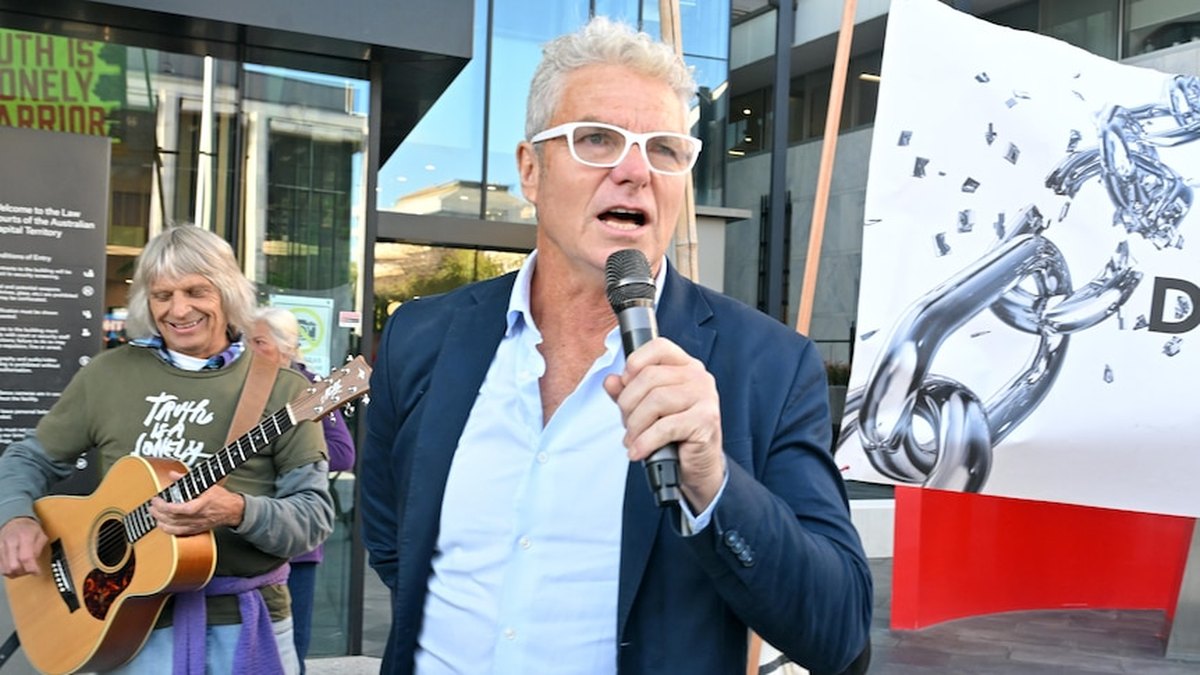
David McBride oo xabsiga Canberra laga sii daayay kadib markii uu helay sii-dayn shuruudaysan
Xeer-ileegtaha Guud Michelle Rowland ayaa qiratay sii-daynta iyadoo uu moreynayo 27 bilood oo xabsi ah
David McBride ayaa loo qorsheeyay in laga sii daayo xabsiga Canberra kadib markii Xeer-ileegtaha Guud Michelle Rowland uu siiyay sii-dayn shuruudaysan. Wuxuu noqday mid u qalma sii-daynta maanta, wuxuuna xabsiga ku soo maray in ka badan laba sano.
Xukunka iyo Dacwaddii McBride
David McBride waxaa lagu xukumay sanadkii 2024 kadib markii uu xaday macluumaad difaac oo ah sirta ugu sarreysa uuna la wadaagay saxafiyiin. Ujeedkiisu wuxuu ahaa inuu soo saaro wixii uu aaminsanaa inay tahay 'baaritaan-xad-gudub' oo askariga Afghanistan.
Sheekadii ABC ee The Afghan Files waxay soo saartay eedeymo sheegaya in askarta Australia ay ku lug lahaayeen dilal sharci-darro ah. McBride wuxuu ahaa sarkaal sharci ee ADF, wuxuuna xabsiga ku soo maray 27 bilood.
Go'aanka Sii-daynta iyo Shuruudaha
Afhayayshe ka tirsan xeer-ileegtaha guud ayaa sheegay in sii-daynta McBride 'parole was considered and granted'. Dowladduna ma bixiso faahfaahin gaar ah oo ku saabsan arrimaha sii-daynta shaqsiga.
McBride wuxuu sii marayaa seddex sano oo dheeraad ah oo xukunkiisa ah bulshada dhexdooda isagoo kormeer iyo shuruudo hoos yimaada. Qareenkiisa Edwina Lloyd ayaa xaqiijisay in go'aanka Xeer-ileegtaha uu yahay mid sax ah.
Hadalka Qareenka iyo Mowqifka Bulshada
Edwina Lloyd waxay tiri: 'David's life has been defined by service to Australia — first as an ADF legal officer and then through 27 months in custody, separated from his family and his freedom, which he endured with dignity and at immense personal cost'.
Waxay intaa ku dartay: 'Whatever conclusions the courts reached about the role of the public interest in his case, the hundreds of letters and postcards David received in jail, together with the sustained media attention, leave no doubt that his case matters deeply to the Australian public'.
David McBride, a former Australian Defence Force legal officer jailed for leaking classified defence documents, has been granted parole by Attorney-General Michelle Rowland and is set to be released from a Canberra prison after serving 27 months in custody.
Parole Decision and Release
McBride became eligible for parole today and will serve a further three years of his sentence in the community under supervision and conditions. A spokesperson for the attorney-general confirmed that his parole was considered and granted, though the government declined to provide further details on individual parole matters.
The former military lawyer was convicted in 2024 for stealing top-secret defence material and sharing it with journalists. His aim was to expose what he believed was the over-investigation of soldiers in Afghanistan, though the resulting ABC report instead revealed allegations of illegal killings by Australian troops.
Lawyer's Statement on the Decision
McBride's lawyer Edwina Lloyd said the attorney-general's decision to grant David McBride parole is the right one. She described his life as defined by service to Australia, first as an ADF legal officer and then through 27 months in custody, separated from his family and his freedom, which he endured with dignity and at immense personal cost.
Lloyd added that the hundreds of letters and postcards McBride received in jail, together with the sustained media attention, leave no doubt that his case matters deeply to the Australian public. She said McBride can now hold his head high as he is reunited with his family, friends and beloved dog, Jake.
Public Reaction and Significance
The case has drawn sustained media attention and public interest, with McBride's stand for accountability seen as strengthening Australian democracy. His release marks the end of a period of intense scrutiny and personal sacrifice, as he transitions from prison to community supervision.
McBride's conviction and subsequent parole have highlighted the complex intersection of national security, military accountability and freedom of the press. The decision underscores the ongoing debate about the role of whistleblowers in exposing government and military conduct.