Dadaal lagu badbaadinayo filimada qaranka ee Papua New Guinea ka hor inta uusan kulaylku burburin
Machadka Filimada Qaranka ee Papua New Guinea wuxuu Goroka ku hayaa in kabadan 1,300 duub filim iyo cajaladood. Zoe Baru, oo ah dhakhtarka kali ah ee kaydka, ayaa xaqiijisay in la helo calaamadaha burburka filimada iyo 'vinegar syndrome'. Waxay tiri 'Waa tartan waqti lagula jiraa.'
Khatarta Deegaanka iyo Kaydinta Filimada
Machadka Filimada Qaranka wuxuu ku yaalla Goroka ee Buuraha Bari ee dalka, halkaas oo xaaladaha qoyan iyo taariikhda daadadku ay abuureen deegaan aan ku habboonayn ilaalinta ururinta filimada jilicsan. Korontada dalku waa mid aan la isku halleyn karin, taas oo kaydinta adkeynaysa, culeysna ku daraysa.
Isbeddelka cimiladu wuxuu deegaanka ka dhigayaa mid kulul, sida ay qortay caddaynta. Markii uu shaqada bilaabay, Baru waxay aragtay calaamadaha burburka filimada iyo 'vinegar syndrome' oo ah nooc qashin acetate ah, waxayna tiri 'waxay ahayd mid ur xun'.
Iskaashi iyo Badbaadinta Dijital ah
NFSA ee Australia waxay isticmaashay deeq diblomaasiyad dhaqameed oo $200,000 ah si ay ula shaqeyso NFI. Filimada muhiimka ah waxaa loo xulay, la duubay, loona diray Australia halkaas oo shaqaalaha NFSA ay qiimeeyeen, nadiifiyeen oo dijitaliyeen.
Shaqaalaha NFI waxay tababar ka heleen Canberra, waxaana loo diray Goroka nidaam RODA ah oo siinaya marin u helka maadada la dijitaliyay. Jacqui Uhlmann waxay tiri 'Waxay ahayd degdeg'.
Filimka Tukana iyo Raadinta Mustaqbalka
Filimkii 1982 ee Tukana-Husat I Asua, oo ka hadlaya arday jaamacad dhigatay oo u dhexeeya nolol casri iyo dhaqan tuulo, ayaa loo hadiyad siinayay NFI sanadkii hore oo xusayay 50-aad ee madaxbannaanida. Uhlmann waxay tiri waa sheekada qaranka.
NFSA waxay rajaynaysaa in iskaashigu u horseedo mashaariic la mid ah oo Pacific-ka ah. Uhlmann: 'Waxay iga dhigaysaa mid og sida faragalinta yar ay saameyn weyn ku leedahay'. Baru: 'Waa shaqo weligeed ah'.
Australian archive partners with Goroka institute to digitise and protect national memory
Papua New Guinea's National Film Institute in Goroka holds more than 1,300 film reels and tapes at risk from humidity, flooding and rising heat. Archivist Zoe Baru says preservation is urgent: "It's a race against time."
Threats to a fragile collection
The NFI is located in Goroka in the Eastern Highlands, where humid conditions and past flooding create a poor environment for film storage. PNG's power supply is sometimes unreliable, making proper storage difficult as climate change causes the site to get hotter.
When Zoe Baru began as the NFI's only archivist, she found deterioration and vinegar syndrome already present. She said, "When I first started, there were already signs of our film deteriorating and the vinegar syndrome, it was just pungent." The decay threatens permanent loss.
Australia steps in with grant and training
The National Film and Sound Archive of Australia used a $200,000 cultural diplomacy grant to partner with the NFI. Significant films were sent to Australia, assessed, cleaned and digitised, while NFI staff received training in Canberra.
A Remote Onsite Digital Access (RODA) studio was designed and sent to Goroka, giving staff on-site access to digitised material. NFSA deputy chief executive Jacqui Uhlmann said, "It was urgent," citing risk to the collection and need to support local staff.
Preserving national story for next generation
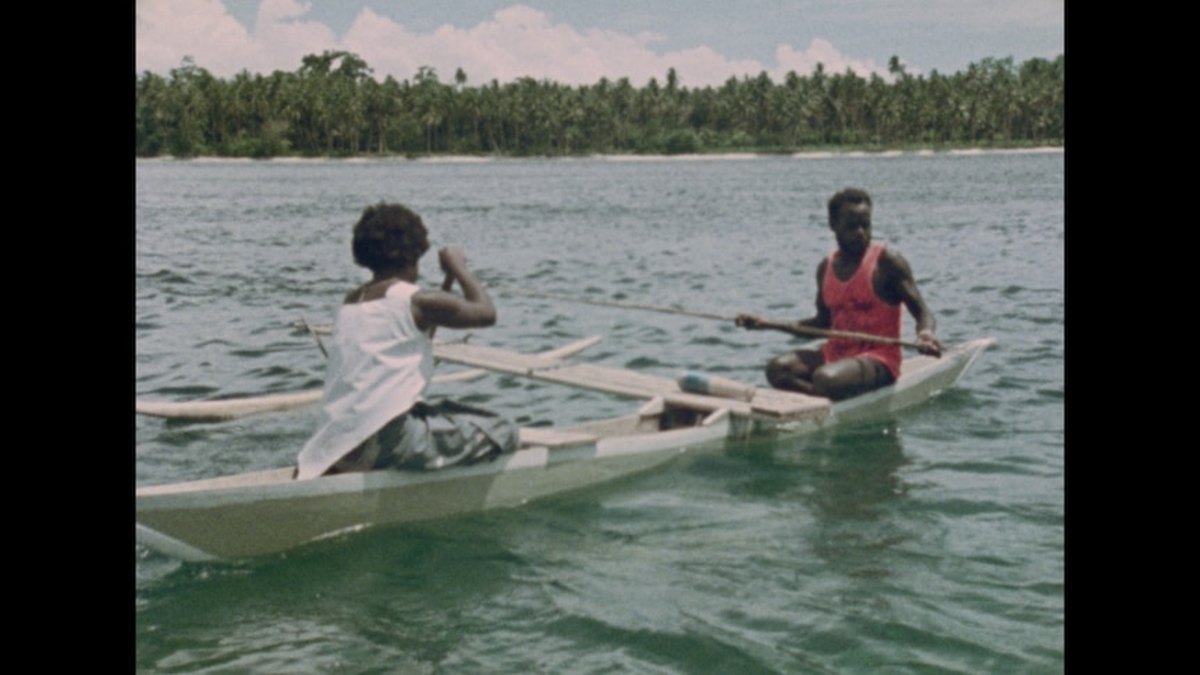
The 1982 film Tukana-Husat I Asua, about a dropout between modern and traditional life, was preserved and returned last year for PNG's 50th independence anniversary. Uhlmann said, "Every nation has those cultural works that tell the story of that nation, and for Papua New Guinea that was Tukana."
Baru said, "You're very emotional when you realise that what you're doing, you're actually maintaining memory for the next generation." The NFSA hopes the model extends to other Pacific nations as climate change threatens audiovisual heritage across the region.