Xeerka Dambiyada ee Soomaaliya: Isbedelka cusub wuxuu si weyn uga baabi'iyaa xirfadda warbaahinta
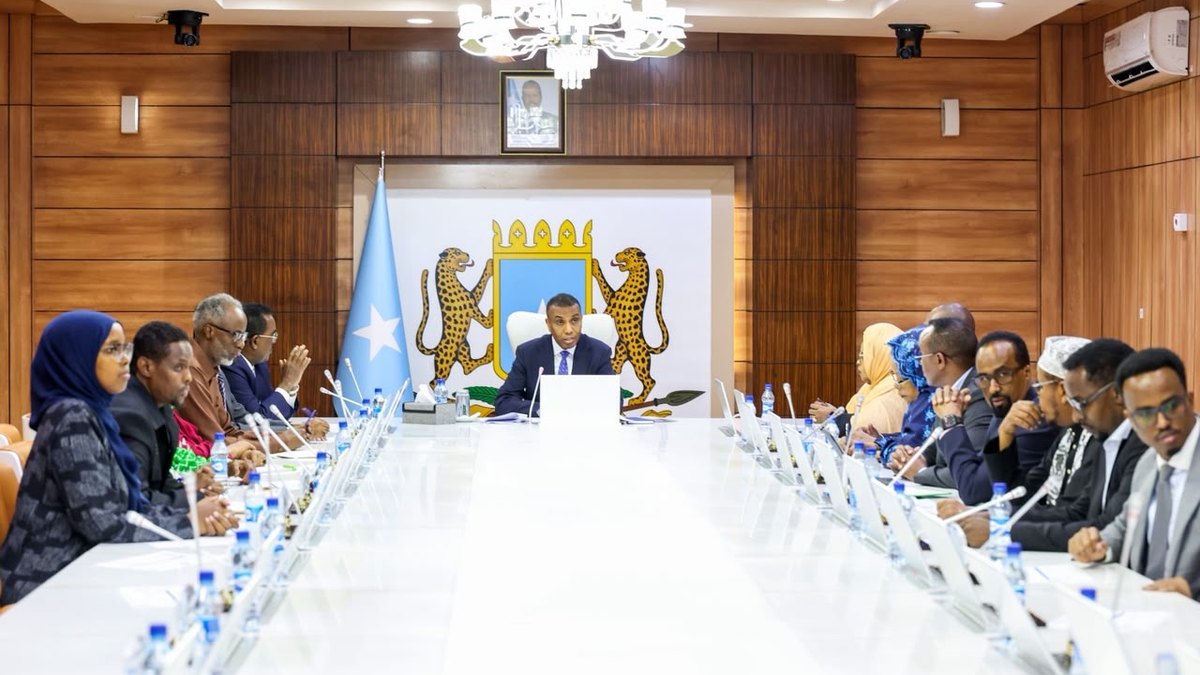
Baarlamaanka Federaalka Soomaaliya wuxuu diyaar u yahay inuu baaro xeerka cusub ee dambiyada, kaas oo ka bedelaya midkii 1962-kii la qoray. Warbaahinta Soomaaliya waxay sheegaysaa in qodobbada cusub ay si weyn u xakameeyaan xirfadda warbaahinta.
Qodobbada cusub ee xeerka
Xeerkan cusub wuxuu ku jira xeerka 1962-kii, kaas oo ka bedelaya qodobbada hore. Wuxuu si gaar ah u xakameeyaa warbaahinta, isagoo qodobbada cusub ku jira xeerka dambiyada.
Qodobbada cusub waxay ku jiraan xeerka dambiyada, isagoo qodobbada hore ka bedelaya qodobbada cusub. Wuxuu si gaar ah u xakameeyaa warbaahinta, isagoo qodobbada cusub ku jira xeerka dambiyada.
Hadalka ururada warbaahinta
Ururka warbaahinta Soomaaliya (NUSOJ) wuxuu sheegay in xeerkan cusub uu si weyn u xakameeyo xirfadda warbaahinta, isagoo qodobbada cusub ku jira xeerka dambiyada.
RSF waxay sheegtay in xeerkan cusub uu si weyn u xakameeyo warbaahinta, isagoo qodobbada cusub ku jira xeerka dambiyada. Wuxuu si gaar ah u xakameeyaa warbaahinta, isagoo qodobbada cusub ku jira xeerka dambiyada.
Fursadda isbeddelka
RSF waxay sheegtay in xeerkan cusub uu si weyn u xakameeyo warbaahinta, isagoo qodobbada cusub ku jira xeerka dambiyada. Wuxuu si gaar ah u xakameeyaa warbaahinta, isagoo qodobbada cusub ku jira xeerka dambiyada.
Waxaa jira fursad in xeerkan cusub la bedelo, isagoo qodobbada cusub ku jira xeerka dambiyada. Wuxuu si gaar ah u xakameeyaa warbaahinta, isagoo qodobbada cusub ku jira xeerka dambiyada.
Somalia's Federal Parliament is set to examine a draft Penal Code that could replace the 1962 legislation after more than 60 years. Reporters Without Borders and the National Union of Somali Journalists warn that several provisions threaten press freedom and could turn public-interest journalism into a criminal offence.
A Modernisation Bill with Repressive Provisions
Adopted by the Council of Ministers in December 2025, the draft Penal Code aims to incorporate contemporary and emerging crimes, particularly in cybercrime and economic crime. However, analyses by RSF and NUSOJ indicate that several provisions remain incompatible with international standards on press freedom.
Article 144 reduces the sentence for attacking the honour or dignity of the President from three years to one year. Other articles penalise insults or defamation targeting public officials or state institutions with sentences of up to five years in prison.
Vague Offences and Expanded Defamation Laws
The bill introduces offences for the dissemination of information deemed false, misleading or exaggerated, punishable by up to ten years in prison during wartime and up to 20 years when linked to a hostile state. It also criminalises ideas contrary to faith, morality or public order with sentences of up to five years and a fine of up to US$7,000.
Defamation is retained as a criminal offence and extended to digital publications, with fines ranging from US$300 to US$1,000. This runs counter to African Union recommendations to decriminalise defamation and risks increasing judicial pressure on journalists and media outlets.
Calls for Amendments Before Adoption
NUSOJ Secretary General Omar Faruk Osman said the proposed amendments risk creating a more restrictive environment for independent journalism, encouraging censorship and self-censorship. He criticised the drafting process for lacking any meaningful consultation with civil society.
Jeanne Lagarde, Head of Advocacy at RSF Sub-Saharan Africa Bureau, stated that Somali lawmakers still have the opportunity and responsibility to correct these provisions before they become new instruments of censorship.