Xeebaha Lagos Oo Noqday Mid Qaali Ah Oo Ay Dadka Degani Ku Adkaatay Inay Tagaan
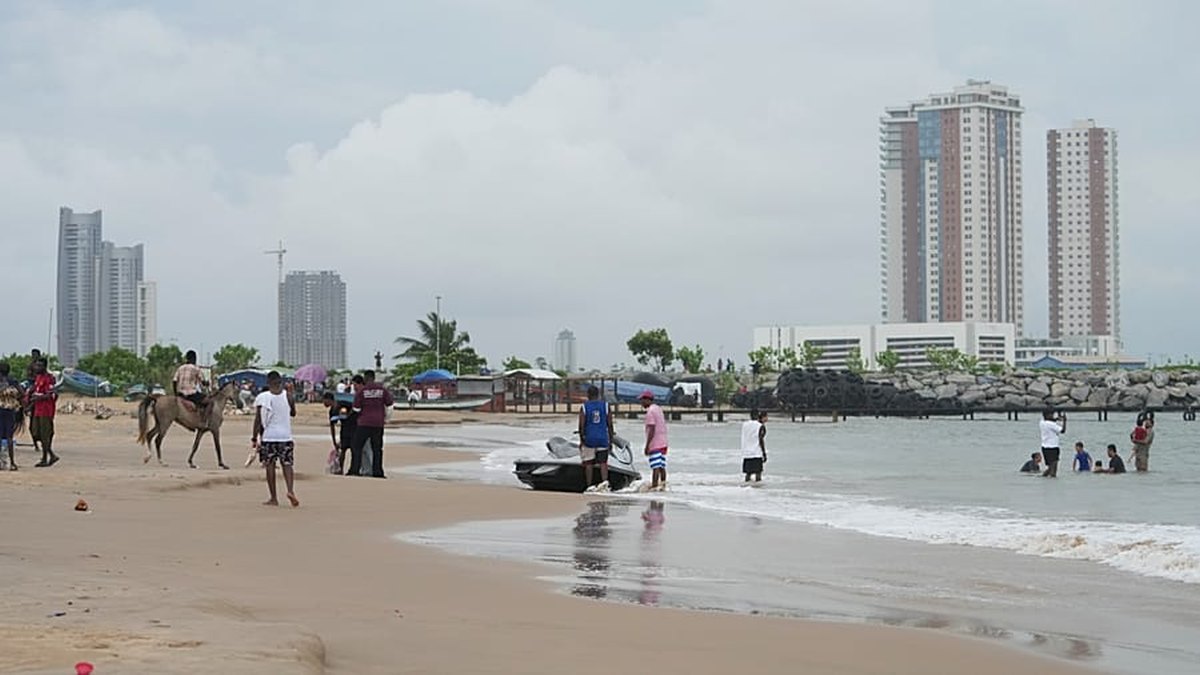
Qayb weyn oo xeebta dheer ee Lagos ayaa loo beddelay meelaha gaarka loo leeyahay, taas oo kala saartay dabaqadaha bulshada.
Mukthar Oladunmade, oo ah qoraa 27 jir ah oo ku nool Lagos, ayaa sheegay in tagista xeebta ay noqotay mid aad u qaali ah dadka deganaa. Waxaa taas sabab u ah in xeebta Lagos ay noqotay mid aan ahayn meel bannaan oo dadweynaha u furan.
Qiimaha Sare ee Xeebta iyo Kala Saarida Bulshada
Mukthar Oladunmade wuxuu yiri: 'On average, I spend $18 when I think of coming to the beach.' Wuxuu intaa ku daray in ay adag tahay inuu subax kasta u tago xeebta marka uu kharashkaas tixgeliyo.
Wuxuu kaloo sheegay: 'The minimum wage here is around 70,000 naira and today alone I've spent more than half of that just coming to the beach for one day out of 30 days in the month.' Oo ay taas ku muujinayso kala go' bulsho.
Xeebta oo Gaar Loo Yeelay iyo Himilada Magaalo-Weyn
Kharaashka xeebta waxaa ka mid ah lacagta laga bixiyo alaabta, kursiga, cuntada, cabitaanka iyo hawlaha, iyadoo dawladda hoose ay sii gacan siinayso horumariyayaasha gaarka ah.
In ka badan toban sano, dawladda Lagos waxay damacday inay ka dhigto 'megacity' qaabka Dubai ama New York. 180 kiilomitir oo xeeb ah ayaa loo gaar-yeelay degsiimooyin gaar ah.
Dakhliga Gobolka iyo Shaqaalaha Suuqa Madow
Inta badan dadka Lagos ee xeebta taga waxay ka shaqeeyaan qaybta suuqa aan rasmiga ahayn, taas oo kharashka xeebta uu saamayn weyn ku leeyahay.
Gobolka Lagos wuxuu soo saaray $1.9 bilyan dakhli gudaha ah sanadkii hore, kordhin 16 boqolkiiba marka loo eego 2024. Tani waxay muujinaysaa guusha dhaqaale ee nidaamka cusub.
Privatisation of the coastline is turning public shorelines into paid venues unaffordable to many local workers
In Lagos, much of the coastline is no longer free public space as private developers take over the shore. A 27-year-old writer living in the city says beach visits now cost more than many can bear relative to local wages. Most visitors work in the informal sector.
A local writer counts the cost of a day at the beach
Mukthar Oladunmade, a 27-year-old writer who lives in Lagos, said: 'On average, I spend $18 when I think of coming to the beach.' He noted the burden this creates for ordinary residents managing monthly budgets in Nigeria's commercial capital.
Oladunmade said: 'The minimum wage here is around 70,000 naira and today alone I've spent more than half of that just coming to the beach for one day out of 30 days in the month.' He contrasted Lagos with other West African coasts he has visited.
Free coastlines elsewhere, paid access at home
Mukthar Oladunmade said: 'By virtue of my job, I've been to Somone, Dakar, Lome, Accra, and Cotonou, several West African countries. And there, it's way easier to just wake up and walk onto the beach because it's free.' The comparison highlights Lagos's shift.
Costs at Lagos beaches include fees for entry, chairs, food, drink, and activities. The local government increasingly hands over more of the shore to private developers, removing open access that residents once relied on for rest.
Megacity plan drives privatisation of 180 km coast
For more than a decade, Lagos state government has set its sights on making Lagos a 'megacity' in the light of Dubai or New York. Much of the 180-kilometre-long coastline is being privatised for exclusive urban residences and public-private enterprise.
Oladunmade said: 'There are people that can unplug from the stress of Lagos. They can go to beaches, to very expensive restaurants, go around and just try to deplug from everything, whereas there are people that can't do that.' Lagos state generated $1.9 billion in internal revenues last year.