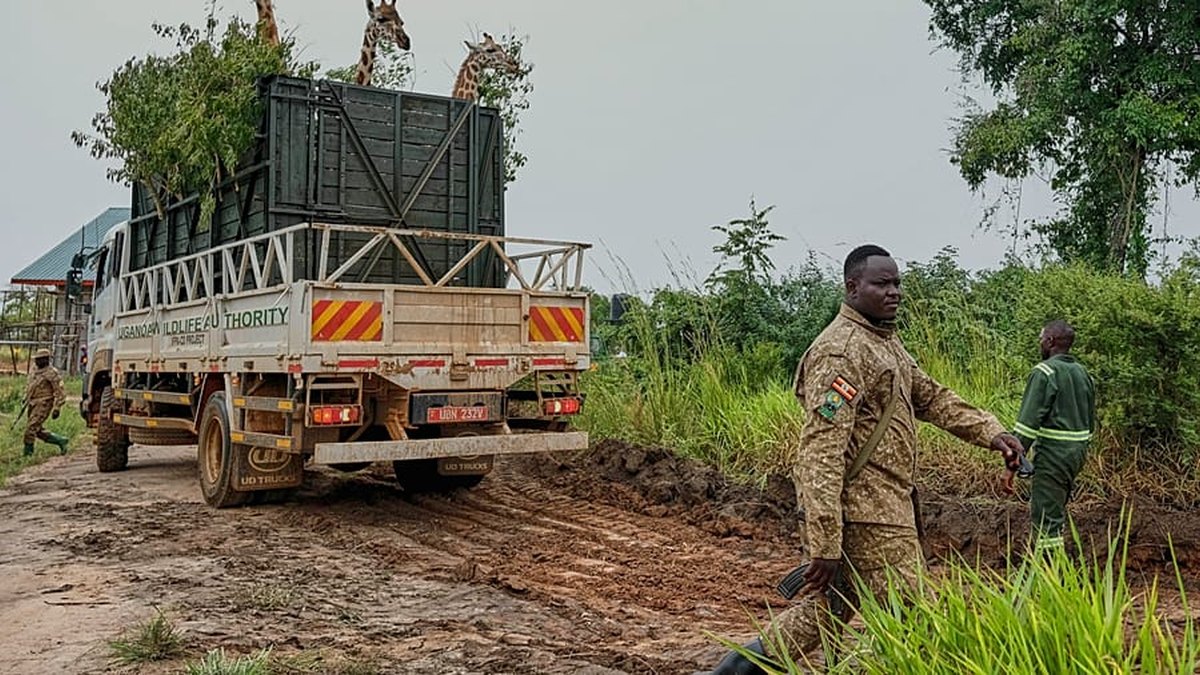
Uganda waxay guurisay 12 neef oo Giraan-Nubian ah oo dhammaatay khatarta
Ilaalada beerta qaranka ugu weyn Uganda waxay bilaabeen inay guuraan 12 neef oo Giraan-Nubian ah oo dhif ah. Mashruucu wuxuu ujeedkiisu yahay ilaalinta tirooyinka noocyada, kordhinta kala duwanaanshaha nolosha iyo balaadhin fursadaha dalxiiska.
Khatarta saliida iyo go'aanka dhowrista
Qiyaastii 40 boqolkiiba keydka saliida Uganda wuxuu ku yaal aagga Murchison Falls iyo beerta. Uganda waxay riixaysaa inay soo saarto saliideeda ugu horreysa aaggaas, waxaana Juun 2023 TotalEnergies si rasmi ah u bilaabatay qodista saliida mashruuca Tilenga ee gudaha beerta.
Patrick Atimnedi, Kaaliyaha Komishanka Adeegyada Veterinary ee UWA, wuxuu yiri: 'There is a lot of oil and gas activities going on here, tourism development, climate change, bush encroachment, invasive species and everything else.' UWA waxay sheegtay in abuurista dadka xayawaanka ee meelaha kale ay yareynayso culayska deegaanka haddii qodista ay dhaawacdo.
Ajai Reserve iyo soo celinta nolosha duurjoogta
Dhowr iyo toban ilaaliye ayaa ku sugay Agaynta Duurjoogta ee Ajai imaanshaha giraanada; gurigoodu waa 166 km laba jibbaaran. Kaynta waxaa la aasaasay 1937, laakiin duurjoogtii waa laga tirtiray horraantii 1980-meeyadii sababtoo ah ugaarsiga iyo aan xasilloonida dalka.
Marka lagu daro giraanada, xayawaan kale sida rhino-cad, buffalo, zebras iyo boqolaal kob ah ayaa la dib u gelinayaa. Qayb kaynta waa la xayiray, ilaaliyaasha waa la kordhiyay, bulshada deegaanka waxaa la wariyay muhiimadda dhowrista maadaama ay ka helaan qayb dalxiiska.
Doodda ballaarinta iyo soo dhaweynta bulshada
Atimnedi wuxuu yiri: 'Having a seed somewhere about 100km away from here within the same conservation area, same zone, is the right conservation decision to do.' Wuxuu intaa ku daray: 'When we do range expansion, you don't want to have all your eggs in one place because if a calamity happens there, then you lose a species, so you are safer putting some in some locations.'
Wilson Katabigwa, oo ah ilaaliye sare Ajai, wuxuu yiri: 'Even the ones who finished [killed] the previous animals are happy to receive these animals, actually, they are celebrating.' Marka guuritaanku dhamaado, bulshada ayaa la casuumi doonaa inay arkaan xayawaanka oo meesha ku meeshoobay tobanaan sano.
Rangers in Uganda's largest national park have begun moving 12 endangered Nubian giraffes to a new home. The relocation aims to protect the species, boost biodiversity and expand tourism while reducing risks from oil drilling and habitat pressure.
Oil activity drives conservation move
An estimated 40 per cent of Uganda's oil deposits lie in the Murchison Falls area and park, where the country is pushing to produce its first oil. In June 2023, TotalEnergies began drilling in the Tilenga project area within the park.
Patrick Atimnedi, Assistant Commissioner of Veterinary Services at UWA, said: 'There is a lot of oil and gas activities going on here, tourism development, climate change, bush encroachment, invasive species and everything else.' He added: 'When we do range expansion, you don't want to have all your eggs in one place because if a calamity happens there, then you lose a species, so you are safer putting some in some locations.'
Ajai reserve prepares for new arrivals
At Ajai Wildlife Reserve, a dozen rangers await the giraffes, which will enter a new 166-square-kilometre home. Established in 1937, the reserve lost its wildlife in the early 1980s to poaching and insecurity. Southern white rhinos, buffalo, zebras and hundreds of Uganda kobs are also being reintroduced.
Part of the reserve is being fenced and ranger numbers increased to deter poachers. Wilson Katabigwa, senior warden at Ajai, said: 'Even the ones who finished [killed] the previous animals are happy to receive these animals, actually, they are celebrating.' Communities educated on conservation will later view the animals.
Species recovery and future outlook
Just over a decade ago, fewer than 200 Nubian giraffes remained in Uganda. Collaborative conservation has since supported their recovery. The current translocation establishes a population roughly 100 km from the original site within the same conservation zone.
Patrick Atimnedi said: 'Having a seed somewhere about 100km away from here within the same conservation area, same zone, is the right conservation decision to do.' Once the move is complete, community members will be invited to see giraffes extinct in the area for decades.