Tirada Nijaarrada Humpback ee Koonfur Afrika oo Kordhaya iyo Kooxo Waaweyn oo Soo Baxaya
Laga bilaabo Juun ilaa Nofeembar waxaa caan ku ah aragtida nijaarrada humpback xeebta Koonfur Afrika. Hadda kooxo aad u waaweyn oo nijaarradaas ah ayaa sii kordhaya, iyadoo ugu yaraan 37 nooc oo naasle badeed laga helo biyahaas.
Kobaca Kooxaha Waaweyn ee Nijaarka
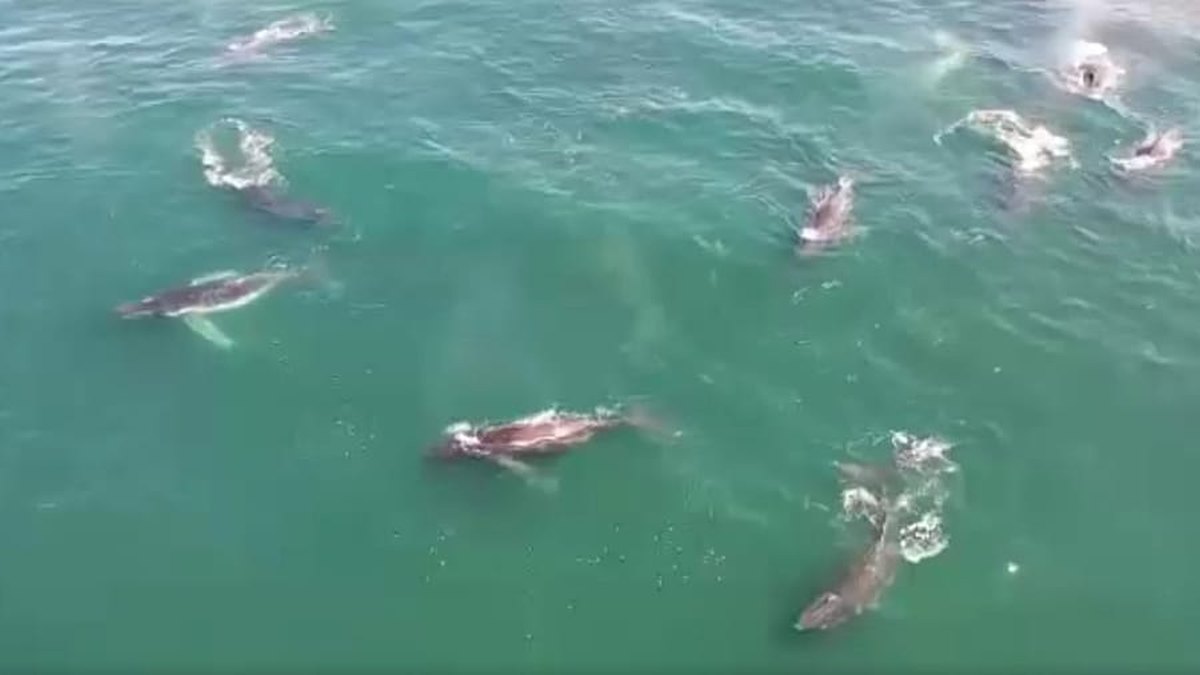
Chris Fallow oo ah sawir qaade duurjoog ah oo magaalada Cape Town deggan ayaa duubay kulamada nijaarrada humpback. Dhamaadkii 2025-tii wuxuu arkay tirada nijaarrada oo si tartiib ah u kordhay. Wuxuu xusay: "Initially, we saw groups of 20, maybe even 50. But, towards the middle of December, those groups grew to 100.".
Dhamaadkii Diseembar waxay qiyaastii 100 km waqooyi ka xigta Cape Town arkeen boqollaal nijaar ah oo ku wada shira meel yar oo quudin ah. Markii uu sawiray dabo kasta oo gaar ah oo loo gudbiyay Happywhale, wuxuu ogaaday inuu la joogay 299 nijaar, taasoo ahayd diwaangelintii ugu weynayd ee 24 saac gudahood.
Sababaha iyo Soo Kabashada Dadweynaha Nijaarka
Nijaarrada humpback waxay xeebta koonfureed ee Koonfur Afrika joogtaa si ay u quutiyaan, u dhalaan, uguna koriyaan dhallaankooda marka ay u hijroayaan waqooyiga Antarctica. Tan iyo mamnuucidda ugaadhsiga caalamiga ah ee 1986, tiradoodu waxay kordhay qiyaastii 10,000 ilaa 100,000 ee Hemisphere-kii Koonfureed.
Kooxihii ugu horreeyay ee waaweynaa waxaa la diiwaangeliyey qiyaastii 2012. Dr Els Vermeulen waxay tiri: "It’s very likely a result of the recovery of the population from whaling. Humpback whales were severely hunted to very low numbers.". Kooxuhu waxay ka samaysmaan nidaamka Benguela, codadkuna waxay soo jiitaan kuwo kale.
Caqabadaha Ilaalinta iyo Maraakiibta
Kordhinta tirada nijaarrada waxay keentay caqabado ilaalin, gaar ahaan ku dhacista maraakiibta oo dhaawac iyo dhimasho geyneysa. Tan iyo Diseembar 2023, maraakiib degdeg ah oo afar jibaar kordhay ayaa xeebta koonfureed-galbeed mara, qayb ka mid ah khilaafaadka Middle East.
Gregg Oelofse wuxuu yiri: "We do on occasion find a carcass that comes ashore, and we’ll very clearly see, because we’ll see the propellor strike, often, through the whale’s body.". Dr Vermeulen waxay la shaqaynaysaa maraakiibta; hoos u dhigista xawaaraha ayaa la tixgelinayaa, laakiin xeerar ma jiraan.
Photographer Chris Fallow records largest single-day humpback sighting on Happywhale as populations recover from whaling
Massive supergroups of humpback whales are becoming increasingly common off South Africa, with recovery from historical whaling driving the trend. In late December, a Cape Town photographer documented 299 whales in one area, the largest such record on a global citizen platform.
Photographic Evidence of Growing Supergroups
Humpback whales are commonly sighted off South Africa's coastline from June to November, but supergroups now appear more frequently. Chris Fallow, a Cape Town wildlife photographer, captured these gatherings and noted numbers rising toward late 2025.
Fallow observed initial groups of 20 or 50 whales, growing to 100 by mid-December. At month's end, about 100 km north of Cape Town, hundreds gathered to feed. Fluke photos submitted to Happywhale showed 299 whales in 24 hours, a platform record.
Population Recovery and Formation of Supergroups
Humpback whales migrate north from Antarctica to South Africa's south coast to feed, calve, and rear young. Since the 1986 global hunting ban, Southern Hemisphere numbers rose from about 10,000 to 100,000. First supergroups were recorded around 2012.
The increase in supergroups is very likely a result of population recovery from whaling, as whales were severely hunted. Supergroups form in the Benguela upwelling system, where vocalisations attract others to food-rich waters.
Conservation Challenge of Ship Strikes
More whales bring risks from ship strikes. Fast vessels on the south-west coast quadrupled since December 2023 due partly to Middle East conflict diversions. Most struck whales sink, but carcasses show propeller strikes. Gregg Oelofse confirmed tankers and ships crowd the coast.
Feeding whales are less aware of surroundings. Dr Els Vermeulen liaises with shipping on speed reductions near Saldanha Bay and Cape Town harbours. Currently, South Africa has no speed-lowering regulations to protect whales from collisions.