Koonfur Afrika oo xusaysa 70 sano muddo laga joogo Marinka Haweenka ee 1956
Koonfur Afrika waxay axaday 70-aad sanoobay Marinka Haweenka ee 1956, markaasoo qiyaastii 20,000 haween oo dhammaan jinsiyadaha kala duwan ah u soo baxeen Pretoria si ay uga soo horjeestaan sharciyadii midabtakoorka ee haweenka madow ku qasbayaa inay wataan baasas dhaqdhaqaaqooda xaddidayay. Xuska ayaa dhacay Axad, Ogosto 9, 2026.
Xusuusta Marinka iyo Haweenkii Ka Qayb Galay
Bishii Ogosto 9, 1956, haween madow, haween abtirsiinyo Hindiya ah sida Ama Naidoo, iyo qaar ka mid ah haween cad ayaa marin ka qaaday maalintaas. Ramnie Dinat, oo 84 jir ah, waxay ahayd qof da'yar xilligaas oo ka caawisay hooyadeed Ama Naidoo abaabulka haweenka ka hor ololaha.
Dinat waxay tiri: "Everybody had to play a part. To organise it wasn't easy. You had to go from door to door, knock at the door and tell, tell the women, come out on the march. It's very important." Tani waxay muujinaysaa sidii loo abaabulay marinka haweenka ee 1956.
Xabsigii Haweenka iyo Midowga Quruunta
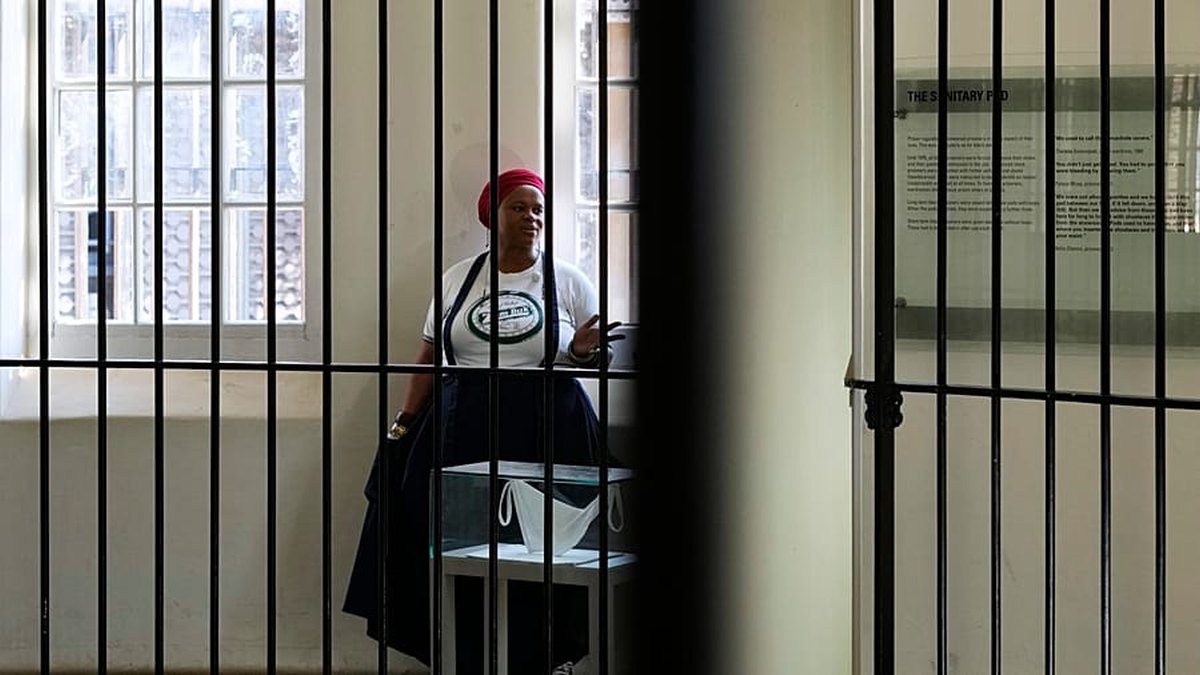
Xabsiga Haweenka wuxuu ahaa tiir-dhexaad nidaamkii xabsiyada midabtakoorka Koonfur Afrika, maanta wuxuuna matxaf u dhow Maxkamadda Dastuuriga ah. Hogaamiyayaashii iyo ka qaybgalayaashii marinka ayaa markii dambe loo xidhay xabsigaas, halkaas oo ay u kala saarayeen isir ahaan.
Nolubabalo Memese, Maamulaha Adeegga Booqashada ee Constitution Hill, ayaa sheegtay in xabsiga loo diyaariyay inuu jebiyo, dulliyo oo bini'aadamnimada ka saaro haweenka. Haweenka madow ee halkaas xidhan looma oggolaan inay xidhaan dharka hoose ama maro caafimaad oo habboon.
Dagaalka Xorriyadda iyo Caafimaadka Haweenka Maanta
Daraasad 2024 ay taageertay Haweenka Qaramada Midoobay waxay ogaatay in in ka badan saddexaad haweenka Koonfur Afrika ay noloshooda soo mareen xadgudub jireed ama galmo. Qaramada Midoobay waxay ku tilmaantay heerarka sare ee xadgudubka haweenka iyo gabdhaha inay yihiin dhibaato qaran.
Memese waxay tiri midabtakoorku wuu dhammaaday 1994, laakiin xadgudubka jinsiga ayaa weli xorriyadda haweenka diidi kara. Waxay tiri: "There's a different monster which precludes us from enjoying freedom of movement and economic participation. And that's gender-based violence. That's crime".
On Sunday, August 9, 2026, South Africa marked the 70th anniversary of the historic 1956 Women's March, when roughly 20,000 women of all races defied apartheid pass laws in Pretoria. Yet decades later, activists say the struggle for true freedom endures amid persistent gender-based violence and inequality.
A Historic Rally Against Apartheid
On August 9, 1956, approximately 20,000 women from Black, Indian, and white communities converged on Pretoria to protest laws that forced Black women to carry passes restricting their movement. The march was a defining moment in the fight against white minority rule.
Ramnie Dinat, now 84, was a teenager at the time and helped her mother, anti-apartheid activist Ama Naidoo, organise participants by knocking on doors across the city. 'Everybody had to play a part. To organise it wasn't easy. You had to go from door to door, knock at the door and tell, tell the women, come out on the march. It's very important,' Dinat recalled.
From the Women's Jail to the Museum
Many leaders and participants of the 1956 march were later imprisoned at the Women's Jail, a cornerstone of the apartheid prison system where activists were held separately by race. Nolubabalo Memese, Visitors Services Manager at Constitution Hill, said the facility was designed to break, humiliate and dehumanise women.
Black women held there were not allowed to wear underwear or have proper sanitary towels. Today, the site stands as a museum near the Constitutional Court, built partly from bricks salvaged from the original jail. It honours icons like Winnie Madikizela-Mandela and Albertina Sisulu, as well as thousands of ordinary women whose sacrifices went unnoticed.
A 'Different Monster' Still Threatens Freedom
While apartheid ended in 1994, gender-based violence continues to deny women freedom of movement and economic participation. A 2024 United Nations Women-supported study found that more than one in three South African women have experienced physical or sexual violence in their lifetime.
The UN has described the country's high rates of violence against women and girls as a crisis and a 'national wound.' Government data shows women are more likely than men to be unemployed, shoulder unpaid care work and remain underrepresented in senior leadership. Nolubabalo Memese said, 'There's a different monster which precludes us from enjoying freedom of movement and economic participation. And that's gender-based violence. That's crime.' Kgothatso Montjane, a Paralympic wheelchair tennis champion, said the women of 1956 'paved the way' for her generation.