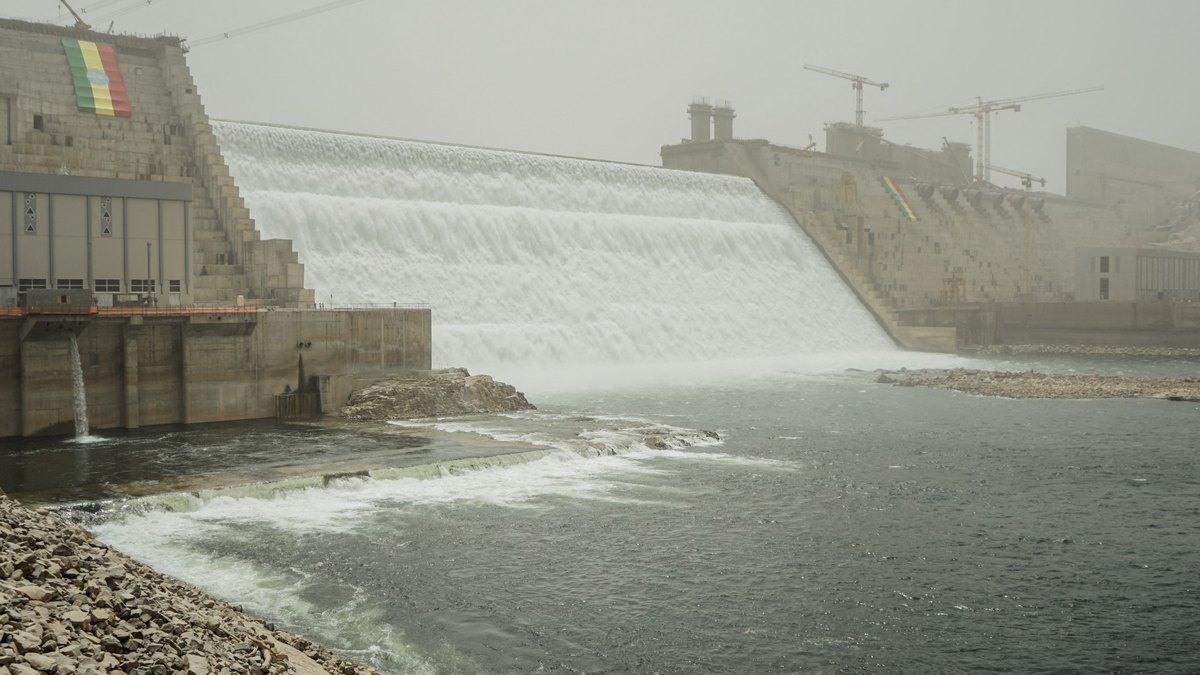
Kadib GERD, Ma awoodaa Masar inay ku xakameyso qorshayaasha dambiyada dhaqaale ee Itoobiya?
Masar waxay ku jirtaa xaalad adag kadib markii Itoobiya ay dambiyada dhaqaale ee Karadobi, Mandaya iyo Beko Abo ku bilowday qorsheyn, iyadoo u baahan tahay inay dib u eegto habka ay uga hortagto Itoobiya.
Qorshayaasha dambiyada dhaqaale ee Itoobiya
Wasaaradda Biyaha iyo Dhaqaalaha Itoobiya ayaa bishii March ku sheegtay inay diyaar u tahay saddex dambi oo cusub oo ku yaal biyaha Blue Nile, kaas oo leh awood dhaqaale oo dhan 5,700 megawatt.
Dambiyadan ayaa ah kuwo hore loo qorsheeyay, laakiin Itoobiya ayaa hadda ku bilowday inay u diyaariso, iyadoo GERD-ka la furay bishii September 2025.
Masar iyo khataraha biyaha
Masar waxay sheegtay in khataraha ay ka qabto Itoobiya ay tahay inay biyaha ka joojiso, iyadoo u baahan tahay inay ka hortagto dambiyada cusub.
Dambiyada yar yar ayaa laga yaabaa inay sameeyaan biyo iyo dhaqaale, laakiin kuwa weyn ayaa ku kacsan inay biyaha ka joojiyaan.
Diplomaasiyadda iyo xalalka
Masar waxay ku jirtaa xaalad adag, iyadoo u baahan tahay inay dib u eegto habka ay uga hortagto Itoobiya, iyadoo u baahan tahay inay ka hortagto dambiyada cusub.
Sudan ayaa ah dhinac muhiim ah, laakiin dagaalka ayaa uga hor imaanaya inay ka qayb qaaddo xalalka, iyadoo u baahan tahay inay ka hortagto dambiyada cusub.
After the Grand Ethiopian Renaissance Dam defied Cairo's diplomatic pressure, Egypt is now seeking to shape Ethiopia's next hydropower projects through transparency and regional cooperation rather than outright opposition.
Ethiopia's New Dam Proposals
In March, Ethiopia's Water and Energy Ministry announced plans for three Blue Nile hydropower projects — Karadobi, Mandaya and Beko Abo — with a combined generating potential of about 5,700 megawatts. The projects, which have been discussed for years, were formally listed in a 2024 academic study drawing on Nile Basin Initiative-sponsored work.
The announcement comes months after Ethiopia inaugurated the GERD on September 9, 2025, despite years of objections from Egypt. The nearly $5bn project, funded largely by Ethiopia itself, has an installed generating capacity of about 5,150 megawatts and is now a major part of Ethiopia's electricity system.
Egypt's Diplomatic Approach
Cairo's concern is not Ethiopia generating electricity. It is what happens when water is stored and managed upstream, particularly during periods of drought. Last September, Egypt again raised the issue at the United Nations Security Council, arguing that Ethiopia's inauguration and operation of the GERD violated its international obligations and called for a binding agreement.
The focus has therefore shifted. Instead of trying to stop a single dam, Cairo is now seeking a role in how existing and future projects are designed, filled and operated. The experience of the GERD demonstrated both the reach and the limits of Egypt's diplomatic strategy.
Sudan's Role and Egypt's Leverage
Sudan remains central to Egypt's approach because it lies between Ethiopia and Egypt and is directly affected by developments on the Blue Nile. Mekki Elmograbi, a Sudanese governance expert, said transparency from Ethiopia was the starting point for cooperation, noting that Ethiopia must share more information with Sudan and Egypt.
Horn of Africa analyst Abdiwahab Sheikh told Al Jazeera that Egypt has 'meaningful but limited leverage' over Ethiopia. A practical arrangement is possible if Ethiopia, Egypt and Sudan accept transparent information exchange, advance notification, adaptive dam-management rules and mechanisms for addressing droughts and downstream impacts.