Haaweenka Ndangan oo soo celinaya bakaylaha Banjul ka difaaca
Haaween ku nool deegaanka Ndangan ee u dhow Banjul ayaa door muhiim ah ka ciyaaraya ilaalinta iyo soo celinta bakaylaha xeebaha. Fatou Jarjue, oo 34 jir ah, waxay soo celisay in ka badan 5,000 oo bakayle tan iyo sanadkii hore.
Nolosha iyo tababbarka haaweenka
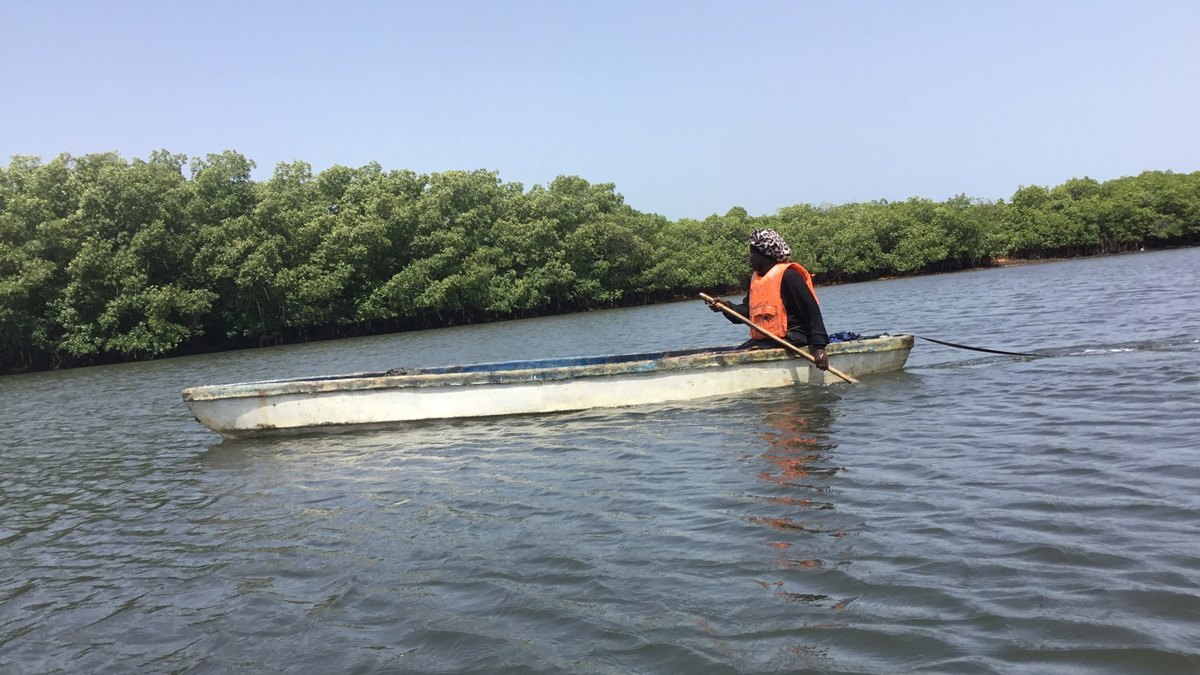
Fatou Jarjue waa hooyo ilmo leh oo ka tirsan Ndangan, degsiimo qiyaastii 300 qof ah oo qiyaastii 2km u jirta caasimadda The Gambia ee Banjul. Waxay shaqadeeda ka bilowday da'da 12-aad iyadoo hooyadeed ku raacda bakaylaha, halkaasna baratay goosashada qajaarka iyo kalluunka.
Jarjue iyo haaween kale ayaa tababar ku saaray soo celinta bakaylaha oo uu bixiyay hindisaha ilaalinta deegaanka ee bulshooyinka xeebaha The Gambia. Tababbarku wuxuu siiyay xirfadaha lagu soo celinayo bakaylaha la baabi'iyay iyo lagu ilaalinayo nidaamka deegaanka.
Xilliga roobka iyo ilaalinta kalluunka
Xilliga roobka, goosashada qajaarka waa la joojiyaa taasoo haaween badan ku qasabta inay u leexdaan dabin-crab iyo kalluun ilaa xilliga loo furmo. Xiritaanku waa qayb ka mid ah Qorshaha Maamulka Wadaagga ee Qajaarka ee The Gambia.
Saynisyahanka badda Dawda Saine ayaa sheegay: "We don't close the season because oysters are poisonous. We close it to protect the resource and because, during the rains, oysters filter everything in the water, including increased run-off, which can affect their quality, taste and safety."
Banjul iyo caqabadaha mustaqbalka
Banjul waa magaalo jasiirad ah oo hooseysa oo wajaysa khataraha badda kordheysa, nabaad-guurka xeebta iyo daadad. Sane 2022, daadad baahsan ayaa saameeyay kumanaan qof, taasoo muujisay dayacnimada bulshooyinka xeebta.
Duqa magaalada Banjul Rohey Malick Lowe ayaa xaqiijisay in golaha magaaladu uu ka shaqeynayo ilaalinta caasimadda, laakiin caqabado ayaa jira. Waxay tiri: "Banjul is an island. If the mangroves disappear, it goes with the city."
In the Tanbi Wetland near Banjul, Gambian women are planting mangroves to protect their homes and the capital city from coastal erosion and flooding. Fatou Jarjue, 34, has restored more than 5,000 mangroves since last year, turning conservation into a daily act of survival.
A Lifelong Connection to the Mangroves
Fatou Jarjue grew up in Ndangan, a small settlement of about 300 people located roughly 2km from Banjul. At just 12 years old, she began following her mother into the mangroves, learning how to harvest oysters and catch crabs and fish. The forest was both a classroom and a source of income.
Today, Jarjue returns regularly not only to harvest but also to inspect young seedlings, replace damaged plants and monitor areas where restoration is needed. She said, 'The mangroves are part of our lives.' For her, conservation is not separate from survival.
Mangroves as a Shield for Banjul
Banjul, The Gambia's capital, is a low-lying island city facing growing threats from rising seas, coastal erosion and flooding. Experts have warned that a 1-metre rise in global sea levels could inundate parts of the city. In 2022, severe flooding affected thousands of people across The Gambia.
Rohey Malick Lowe, the mayor of Banjul, said, 'Banjul is an island. If the mangroves disappear, it goes with the city.' She added that the women 'are not only protecting their livelihoods. They are helping to protect Banjul.'
Conservation and Livelihoods Go Hand in Hand
A milk-can measure of oysters sells for about 100 dalasis ($1.34), and demand at local markets is higher. The annual closure of oyster harvesting during the rainy season is part of The Gambia's Oyster and Cockle Co-management Plan, which allows oyster stocks time to regenerate.
Marine scientist Dawda Saine said, 'We don't close the season because oysters are poisonous. We close it to protect the resource and because, during the rains, oysters filter everything in the water, including increased run-off, which can affect their quality, taste and safety.'