Ganacsiga caalamiga ah ee quraanjada: Khatar deegaan iyo dembiyo cusub
Maxkamadaha Kenya ayaa marar badan la kulantay tuhmanayaal quraanjooyin la qaaday oo la xidhiidha ganacsi sharci-darro ah
Tan iyo 2025, kumaan quraanjooyin ah oo sanduuqyo yaryar lagu xiray ayaa laga helay maxkamadaha Kenya. Shaqaalaha Kenya Wildlife Service ayaa ku ogaaday baaritaanka shandadaha, halka sharcigu uu mamnuucayo dhoofinta duurjoogta.
Kiisaska la qabtay iyo xukunnada
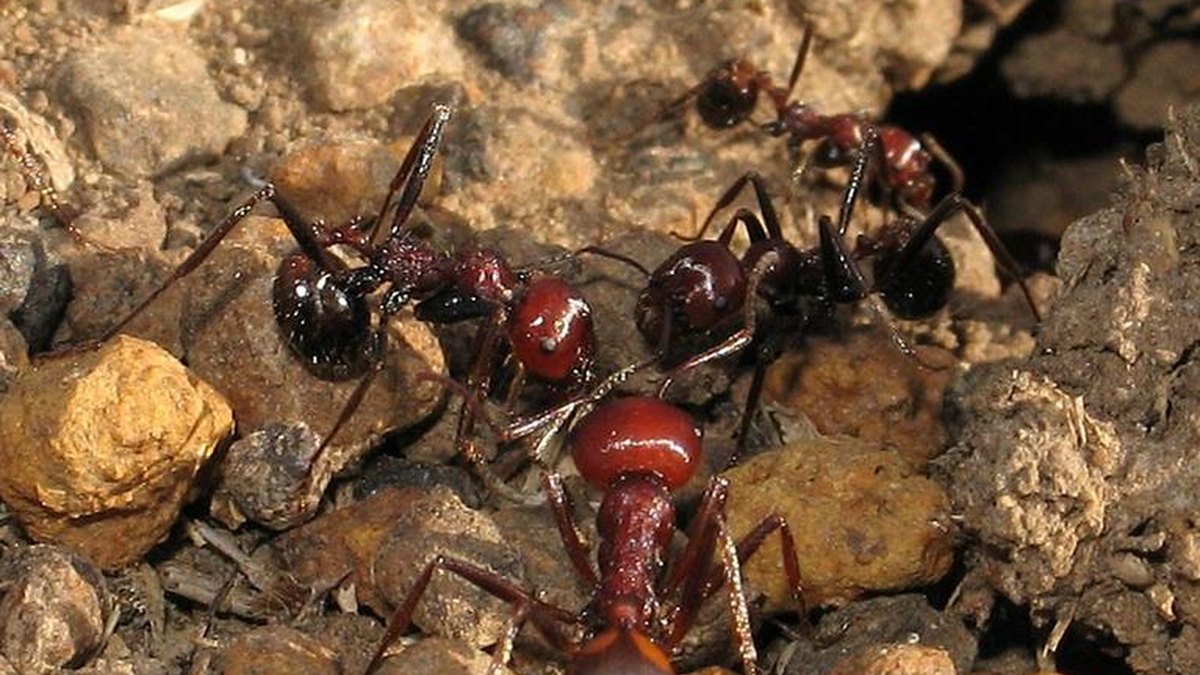
Shaqaalaha Kenya Wildlife Service waxay ogaadeen quraanjooyin intii lagu jiray baaritaanka shandadaha safarka. Kiisaska qaar waxaa laga helay kumaan tusaale oo ah Messor Cephalotes, oo sidoo kale loo yaqaanno Giant African Harvester Ant.
Bishii Abriil ee la soo dhaafay, jilayaal Shiine ah oo isku dayay inuu quraanjooyin dhoofiyo waxaa loo xukumay hal sano oo xabsi ah foox-biyoobi (biopiracy). Garsooraha ayaa sheegay in xukunkaasi uu tahay mid cabsi-galin ah.
Saamaynta deegaanka iyo falanqaynta khubarada
Dino Martins, khubariga cayayaanka, ayaa la yiraahdaa markii la qabtay kiisaska: 'I was shocked, not only by the sheer number of ants, but also because they were queen ants.' Quraanjooyinka la qabtay waxay ahaayeen boqorado dhulka laga kacay.
Martins wuxuu yiri: 'When you collect queens at this critical moment, you interrupt a key stage in the creation of new colonies.' Nidaamka deegaanka Kenya ayuu saameyn ku leeyahay sababtoo ah quraanjooyinku waxay qaadaan abuur cowska, taasoo caawinaysa dib-u-soo-kicinta savanna.
Ganacsiga internetka iyo faragelinta caalamiga ah
Yurub, quraanjooyinka siday daqiiqado ahaan ayaa caan ku noqday, gaar ahaan dhalinyarada. Russell Gray oo u shaqeeya Global Initiative ayaa sheegay: 'The key finding is that this is no longer a marginal problem hidden away on obscure websites.'.
Gray wuxuu intaa ku daray: 'Today, we see it happening on popular platforms such as Facebook.' Sida CITES u qabo, quraanjooyinka maahan nooc u baahan ilalin, sidaas darteed ganacsigoodu ma mamnuucayo mid caalami ah.
Court cases and smuggling rings reveal a booming market for queen ants prized by European hobbyists
Since 2025, Kenyan courtrooms have seen thousands of ants packed in tiny containers as evidence from baggage inspections by the Kenya Wildlife Service. A single queen of the Messor Cephalotes species can fetch more than €200 on the market. The export of wild animals is generally prohibited in Kenya.
Smuggling cases and sentences
Staff from the Kenya Wildlife Service discovered ants during baggage inspections, with multiple cases identifying thousands of Messor Cephalotes specimens, also known as the Giant African Harvester Ant. A Chinese national who attempted to export ants was sentenced last April to one year in prison for biopiracy.
The previous year, the wildlife service stopped four men calling themselves the 'Ant Gang,' including two 19-year-old Belgians trying to smuggle 5,500 queens to Europe; they were fined around €5,000 each. The judge said the sentence should serve as a deterrent.
Ecological impact and expert response
Entomologist Dino Martins is called to the airport when ant-smuggling cases arise. He said, 'I was shocked, not only by the sheer number of ants, but also because they were queen ants.' The seized insects were young queens dug from nests.
These queens have wings to establish new colonies. Martins said, 'When you collect queens at this critical moment, you interrupt a key stage in the creation of new colonies.' Kenya's ecosystems are affected because ants transport grass seeds, helping regenerate the savannah.
European demand and legal gaps
In Europe, keeping ants as pets has become increasingly popular among young people. Exotic species are attractive because they do not hibernate. Online shops sell ants by mail under categories like 'African ants,' but dealers give few answers on sourcing.
Under CITES, ants are not a threatened species, so trade is neither prohibited nor regulated globally. Kenya bans all wildlife export, yet ants are easily smuggled in hand luggage or mail. Russell Gray said, 'The key finding is that this is no longer a marginal problem hidden away on obscure websites.'