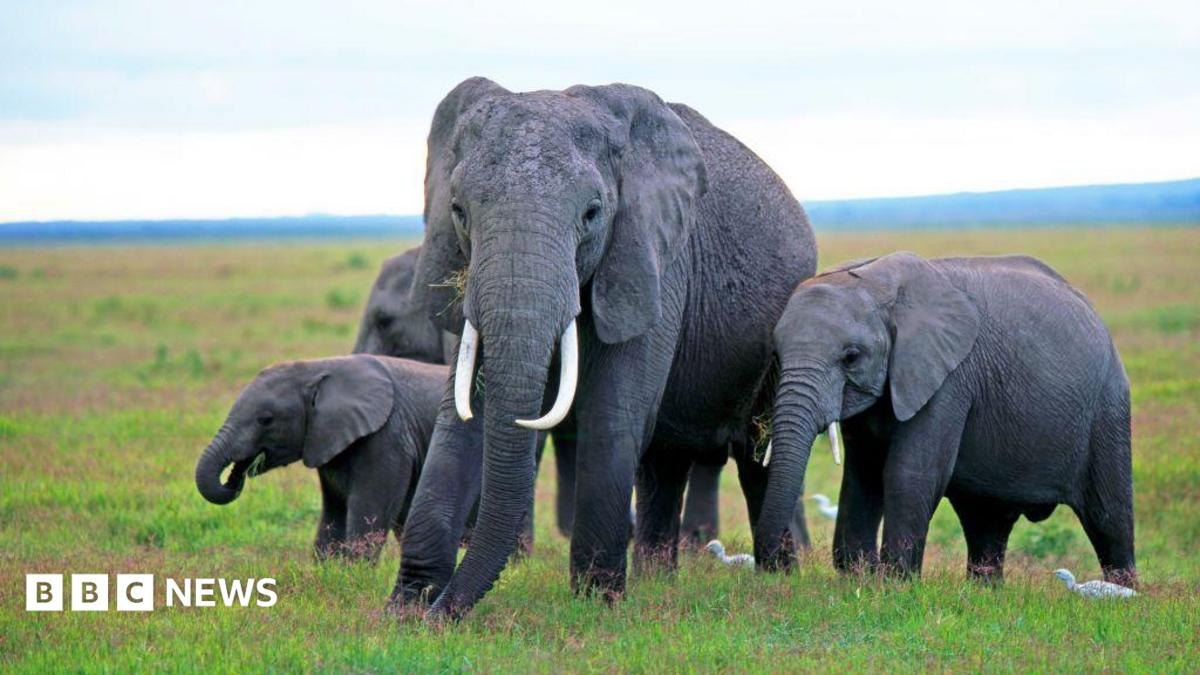
Dhimashada 15 maroodi oo lala xiriiriyay sunta ugaarsadeha ee u dhow Amboseli
KWS iyo khubarada kale ayaa isku hayya falanqaynta sababta dhimashada maroodiga ee Kimana
Intii u dhaxaysay 24 Juun iyo 24 Luulyo, 15 maroodi ayaa u dhintay aagga Xarunta Qaranka ee Amboseli. KWS ayaa sheegtay in qaar ka mid ah ay muujinayeen 'curyaanni qayb ah' oo tilmaamaya sumowgii cyanide ee ugaarsadeha, ayadoo hal maroodi oo kaliya uu ahaa lab dhedig qaangaar ah.
Baaritaanka KWS iyo Aragtida Shaqada
Dhakhtarka sare ee KWS, Dr Isaac Lekolool, ayaa ka helay muunado laga qaaday caloosha maroodiyada in ay ku jiraan tufaaxda cyanide, wuxuuna sheegay in aysan meesha ka saarayn sun-saar badheedh ah laakiin aan suurtagal ahayn xilligan in la ogaado waxa diley maroodiyada.
Aragtida shaqada ee KWS waa in maroodiyada ay la kulmeen suntaas iyagoo maraya ugaarsadeha laga buufiyay beeraha yaanyada u dhow, iyadoo Dr Lekolool uu xusay in 'waxa laga yaabaa inay tahay mid aan ula kac ahayn, laga yaabee dadku ay isku dayayaan xakamaynta cayayaanka beerahooda, taasna ay noqon karto isha.'
Warbixin iyo Suuqgeyn Sharci-darro ah
Warbaarin 2024 ay soo saartay Route to Food waxay muujisay in beeralay Kimana ah uu adeegsaday dawada cayayaanka ee 'maaddadeeda firfircoon' ay tahay 'isku-dhafka kiimikada ee cyanide'. Wangunyu Njuguna, qoraaga warbixinta, ayaa sheegay in sunno beeraha oo sharci-darro ah laga tahriibiyo xadka Tanzania.
Njuguna wuxuu yidhi 'Dhibaatada ugu weyn waa inaanan ku dhaqanayn heerar isku mid ah gobolka.' Beeraha Kimana waxay ku yaallaan marin u dhexeeya Amboseli iyo Tsavo, waxayna ka faa'iidayaan durdurrada Mount Kilimanjaro oo ay suuqa geeyaan Nairobi iyo meelaha ka baxsan.
Shakiga Iyo Khatarta Maqan
Dhowr khubaro ilaalin duurjoog ah ayaa su'aal galiyay natiijada KWS, Paula Kahumbu ayaa tiri 'Ma hayno macluumaad faahfaahsan oo aan ku kalsoonaan karno sheegistan ah inay ka dhalatay sunta beeraha.' Daniel Nina wuxuu waydiiyay sida cyanide u disho maroodiga oo reerwildaha kale reebba.
Cabsida laga qabo waa in maroodiga hadhay iyo dadka u dhow ay wali khatar ku jirto. Frank Pope oo ah CEO Save the Elephants wuxuu yidhi 'Waa isticmaalka dhulka.' In ka badan 2,000 maroodi ayaa ku dhex dhaqaaqda Amboseli oo raadsanaya cunto iyo biyo.
Fifteen elephants died in Kenya's Amboseli National Park area between 24 June and 24 July, with the Kenya Wildlife Service pointing to cyanide traces in their stomachs. Conservationists and local farmers, however, say the evidence is incomplete and the pesticide explanation does not add up.
Cyanide Found in Stomach Samples
The Kenya Wildlife Service (KWS) chief vet, Dr Isaac Lekolool, said some of the 15 elephants showed signs of partial paralysis consistent with cyanide poisoning. Traces of the toxin were detected in samples taken from the animals' stomachs, though he warned that deliberate poisoning cannot be ruled out at this stage.
Dr Lekolool described the incident as unusual, noting that the deaths occurred within a one-month period and that the service has not seen similar cases before. He said it could be unintentional exposure from pest control on nearby crops, but the exact cause remains impossible to confirm.
Pesticide Theory Under Scrutiny
A 2024 report by Route to Food found a farmer in the Kimana area using an insecticide containing a chemical compound of cyanide, and toxic agrochemicals are known to be smuggled across the Tanzania border despite being illegal in Kenya. However, conservationists say the evidence linking the elephant deaths to crop pesticides is not yet convincing.
Paula Kahumbu, a world-renowned conservationist, said there is not enough detailed information to have confidence in the pesticide claim, and that the elephants would have had to eat a huge amount to be killed. Daniel Nina, representing local landowners, questioned why cyanide killed only elephants while zebras, antelopes and wildebeests grazing nearby survived.
Land Use and Human-Wildlife Conflict
Frank Pope, CEO of Save the Elephants, said the pressure on Amboseli's elephants is no longer about ivory but about land use, as farms and lodges increasingly encroach on areas previously used by wildlife. More than 2,000 elephants move through the Amboseli ecosystem in search of food and water, and the farms thrive on streams from Mount Kilimanjaro.
Stephen Michael, a tomato farmer in Kimana, said elephants occasionally raid farms in the area, destroying crops worth thousands of dollars. He noted that the region has long experienced human-wildlife conflict, and warned that the remaining elephants and nearby communities could still be at risk.