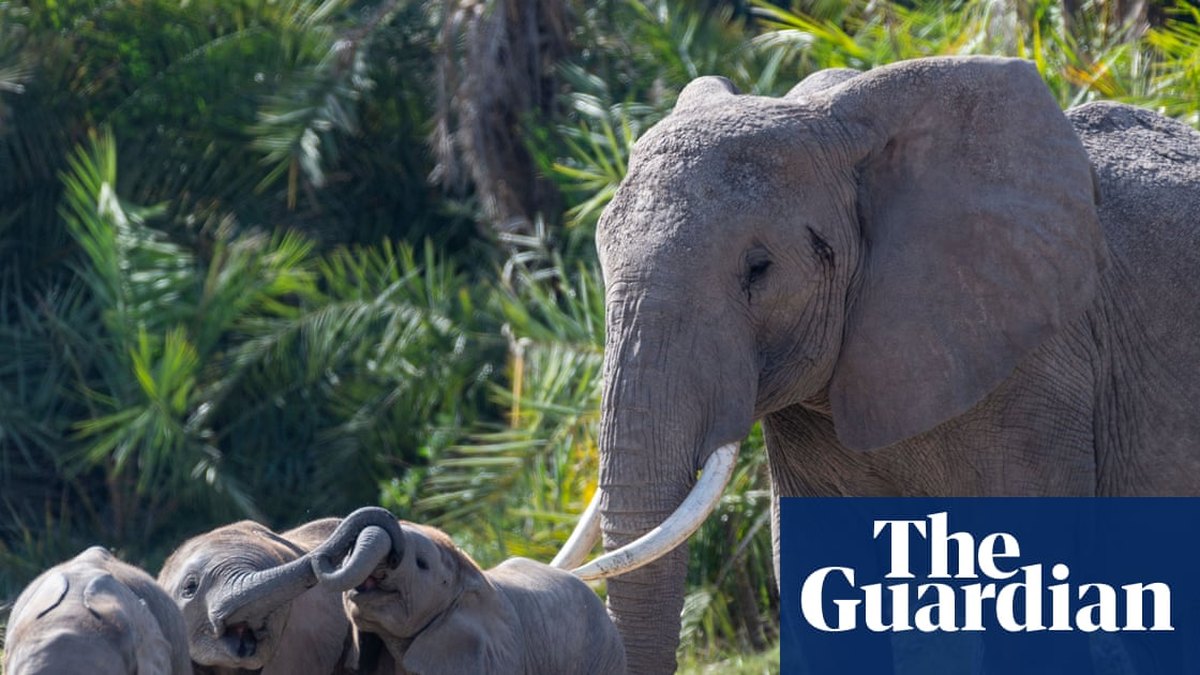
15 Maroodi Oo Ku Dhintay Deegaanka Amboseli Baadhitaan Ka Socda
Muddadii u dambaysay bishii, 15 maroodi ayaa ku dhintay agagaarka beerta qaranka ee Amboseli ee koonfurta Kenya. KWS ayaa sheegtay in dhimashada ay u badan tahay suntii ay cuneen beeraha yaanyada ee u dhow. Tijaabo ayaa daahfurtay raadadka cyanide.
Baadhitaanka iyo Caddaynta Suntii
KWS ayaa Talaadadii ku dhawaaqday in ay baarayso dhimashada maroodiyaasha dhacday 24 Juun ilaa 24 Luulyo. Toban ka mid ah ayaa muujiyay calaamado qalal ama curyaanni qaybeed ka hor dhimashada, tijaabo hordhac ahna waxay ogaatay walax sun ah.
Agaasimaha guud ee KWS Erustus Kanga ayaa Citizen TV u sheegay in falanqaynta muunadaha meydadka laga helay raadad cyanide ah. Isaac Lekolool ayaa xaqiijiyay caloosha mid ka mid ah maroodiga in ay ku jiraan 'lots of tomatoes' oo tilmaamaya sunta beeraha.
Deegaanka iyo Khatarta Ballaran
Dhimashadu waxay ka dhacday aagyada Kimana sanctuary iyo Kuku Group ranch agagaarka Amboseli, oo daboolaya 392 sq km oo leh 1,600 maroodi. Kimana waa soo saare yaanyo ah halkaas oo la soo weriyay isticmaalka cyanide.
Kanga wuxuu ka digay saameyn ballaaran: 'We have the goats, we have the cattle that are there. Eventually, if this cyanide is truly the one that is in the system, then we are going to see a bigger impact.' Xooluhu waxay cuni karaan beeraha.
Doodda Ilaalinta iyo Xiisadaha
Benson Leyian oo ka tirsan Big Life Foundation ayaa sheegay welwel: 'Thanks to decades of community-centred conservation... we haven't seen a cluster of elephant deaths like this for some time.' IFAW waxay ku tilmaantay 'deeply alarming'.
IFAW waxay tiri 'Every elephant lost is significant...' Amboseli waa ilaha dalxiiska; xiisad koontada Kajiado ayaa hakad ku yeeshay maxkamad bishan.
KWS investigates deaths between 24 June and 24 July as tests reveal toxic substance in carcasses
Fifteen elephants have died in the past month near Amboseli National Park in southern Kenya, with initial findings pointing to cyanide poisoning. The Kenya Wildlife Service says the animals likely ingested pesticides from nearby tomato farms. Investigations are ongoing.
Carcass tests reveal cyanide and paralysis signs
Analysis of samples from the dead elephants found traces of cyanide, according to Erustus Kanga, director general of KWS, who spoke to Citizen TV. Cyanide is a farming chemical used for predator control and pest fumigation, and has also been used by poachers.
KWS announced on Tuesday it was investigating deaths from 24 June to 24 July in Amboseli. The agency said 10 elephants showed partial paralysis before death and preliminary tests detected a potential toxic substance. The deaths occurred in Kimana sanctuary and Kuku Group ranch.
Farm links and warning of wider impact
Kimana town is a leading tomato producer where researchers previously reported cyanide use on crops. Isaac Lekolool of KWS said one elephant's stomach contained 'lots of tomatoes,' suggesting agrochemical poisoning. Farmers have in the past poisoned wildlife in retaliation.
Kanga warned livestock may eat from area farms, stating: 'We have the goats, we have the cattle that are there. Eventually, if this cyanide is truly the one that is in the system, then we are going to see a bigger impact.' The zone holds over 1,600 elephants.
Conservationists raise alarm
Benson Leyian of Big Life Foundation said the deaths concern him, noting Amboseli's elephants are well protected and poaching virtually eliminated. He said: 'Aside from losses during periods of severe drought, we haven't seen a cluster of elephant deaths like this for some time.'
The International Fund for Animal Welfare called the deaths 'deeply alarming' and said they reinforce the need for science and monitoring. It stated: 'Every elephant lost is significant – not only for the species, but for the health of the ecosystems they help sustain and the communities that live alongside them.'