15 Maroodi Oo Ku Dhintay Beerta Qaranka ee Amboseli Way Khatarahan Caydiin Sunto Ah
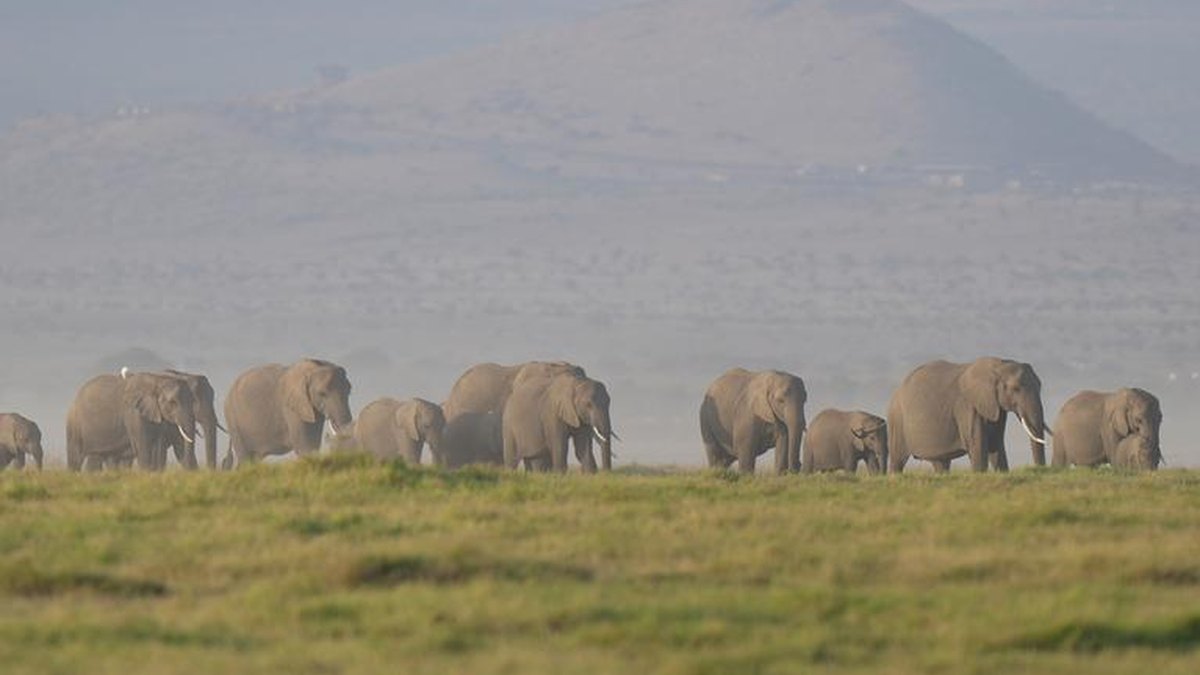
Mudaneyaasha duurjoogta Kenya ayaa sheegay in 15 maroodi oo laga helay Beerta Qaranka ee Amboseli ay u badan tahay in lagu dilay sunta caydiin. Maroodiyadu waxay deganaayeen beerta u dhow xadka Tanzania, ayuu naqdiyay baaraha.
Tilmaamaha Baarista iyo Sababta Dhimashada
Baarayaasha ayaa tuhunsan in maroodiyadu ay cuneen yaanyo lagu sumoobay 'sunadaha aadka u xooggan'. Yaanyo ayaa laga helay caloosha dhowr maroodi oo ka tirsan isla xoolihii, waxaana la rumeysan yahay in ay soo jiiteen dhirta aan bislaan ee beeralayda u dhow.
Ugu yaraan hal maroodi ayaa ku dhintay beero kadib markii uu yaanyo cunay, kuwa kalena waxay u guureen il biyo ah laakiin waxay dhinteen maalmo ka dib oo ay daaweyn ka heleen veterinari. Caydiintu waa 'walax sun ah... oo aad u dilaayo, oo aad u sun ah,' waxayna saamaysaa sambabada iyo beerka.
Mas'uuliyiinta iyo Danta Guud
Mas'uuliyintu ma aysan sheegin cidda loo tuhunsan yahay ee sumaysay yaanyada beeralayda deriska ah ee beerta. Beeralayda ayaa hore loo tuhunsanaa in ay si ula kac ah u sumeeyaan maroodiga si ay u ilaaliyaan dalagyadooda. Adeegga Duurjoogta Kenya ayaa baaraya in beeralayda kale ay adeegsadaan kiimikooyinkaas.
Adeeggu wuxuu ka digay in sumadu ay saamayn weyn yeelan karto xoolaha daaqsinka ah ee aagga jooga. Duncan Erustus Kanga ayaa yiri: 'Other than the elephants and the wildlife that may be feeding in those fields, we have the local livestock. We have the goats. We have the cattle that are there. Eventually, if this is truly what is in the system, then we are going to see a bigger impact'.
Dhaleeceynta IFAW iyo Muhiimadda Amboseli
Amboseli wuxuu caan ku yahay xoolahiisa maroodi iyo dhulka bannaanka ah ee buurta Kilimanjaro ka muuqata Tanzania. IFAW waxay tiri sumowgii maroodigu waa 'a major setback' oo loogu talagalay mid ka mid ah dadka maroodiga Afrika. Waxay ku dartay in ay muujinayso saameynta sunta ku leedahay duurjoogta, xoolaha, dadka iyo deegaanka.
Ben Wandago oo ah agaasimaha IFAW Kenya ayaa yiri: 'Those responsible must be held fully accountable under the law'. Wuxuu intaa ku daray: 'This tragedy also underscores the urgent need for the strict control and responsible handling of highly toxic substances to prevent them from entering the natural environment'.
Investigators point to pesticide-contaminated tomatoes as the likely cause of death among the protected herd
Fifteen elephants found dead in one of Kenya's best-known wildlife parks were likely poisoned by cyanide, according to wildlife officials. The animals lived in Amboseli National Park near the Tanzanian border, a reserve renowned for its elephant herds and views of Mount Kilimanjaro.
Investigation points to contaminated farm produce
Investigators suspect the elephants ate tomatoes contaminated with 'very strong pesticides.' Tomatoes were found in the stomachs of several elephants from the same herd, and the animals were likely attracted to unripe plants growing on nearby farms.
At least one elephant died on a farm after consuming tomatoes. Other elephants traveled towards a water source before dying days later, despite receiving treatment by vets. Cyanide is 'a toxic substance... which is very lethal, very poisonous,' and 'whenever the elephant consumed it, it affects their lung and the liver.'
Responsibility unclear as wider risks emerge
Officials did not say who they suspected was responsible for the contamination of tomatoes at farms neighboring the park. Farmers have been suspected of deliberately poisoning elephants in the past to protect crops. Kenya Wildlife Service is investigating whether other local farmers use the same chemicals.
Kenya Wildlife Service warned that such contamination could have wider consequences for livestock that also graze in the area. Director General Erustus Kanga said: 'Other than the elephants and the wildlife that may be feeding in those fields, we have the local livestock. We have the goats. We have the cattle that are there. Eventually, if this is truly what is in the system, then we are going to see a bigger impact.'
Conservation groups decry major setback
The International Fund for Animal Welfare said the poisoning was 'a major setback' for one of Africa's key elephant populations. IFAW added that the incident highlighted the devastating impact toxic substances can have on wildlife, livestock, people and ecosystems.
IFAW Kenya director Ben Wandago said: 'Those responsible must be held fully accountable under the law.' He also stated: 'This tragedy also underscores the urgent need for the strict control and responsible handling of highly toxic substances to prevent them from entering the natural environment.'