
Qorshaha Federaalka ee Webiga Colorado: Biyaha Arizona Lacag baa kordhaya, laakiin shubanka guriga ma xirmaan
Qorshe federaal ah ayaa faraya in 27% laga gooyo sahayda Webiga Colorado ee Arizona ilaa 2028, gooyooyinkaas oo bilaabmaya Janaayo 1. Mas'uuliyiinta ayaa xaqiijinaya in biyaha guryaha aysan qalalin doonin, laakiin kharashka mashruucyada ayaa kor u qaadayo qiimaha biyaha.
Gooyooyinka iyo Sababaha Qorshaha
Kadib 26 sano oo abaarto iyo isbeddel cimilo ah ay wiiqeeyeen sahayda Webiga Colorado, harooyinka Lake Powell iyo Lake Mead ayaa gaaray heerarkii ugu hooseeyay. Toddobada gobol ee webiga isticmaala waa ay ku guul daraysteen heshiis, kadibna dowladda federaalka ayaa soo farisay qorshe.
Qorshaha federaalka wuxuu khasab ka dhigayaa gooyo 27% ah sanad kasta oo sahayda Arizona laga gooyo ilaa 2028, iyadoo xulasho loo hayo gooyooyin ka sii daran kadib sanadkaas. Gooyooyinka waxay bilaabmayaan Janaayo 1.
Diyaarinta Magaalooyinka ee Kaydka Biyaha
Magaalooyinka Bartamaha Arizona waxay leeyihiin qorshooyin kayd ah oo adag oo hubinaya in shubanka biyuhu socdaan, taas oo ka dhalatay sannado diyaargarow ah iyo mashaariic dhisme oo waaweyn. Phoenix waxay $300 milyan ku bixisay dhigidga 'drought pipeline' oo 12 mayl ah oo la dhammeeyay horraantii 2023.
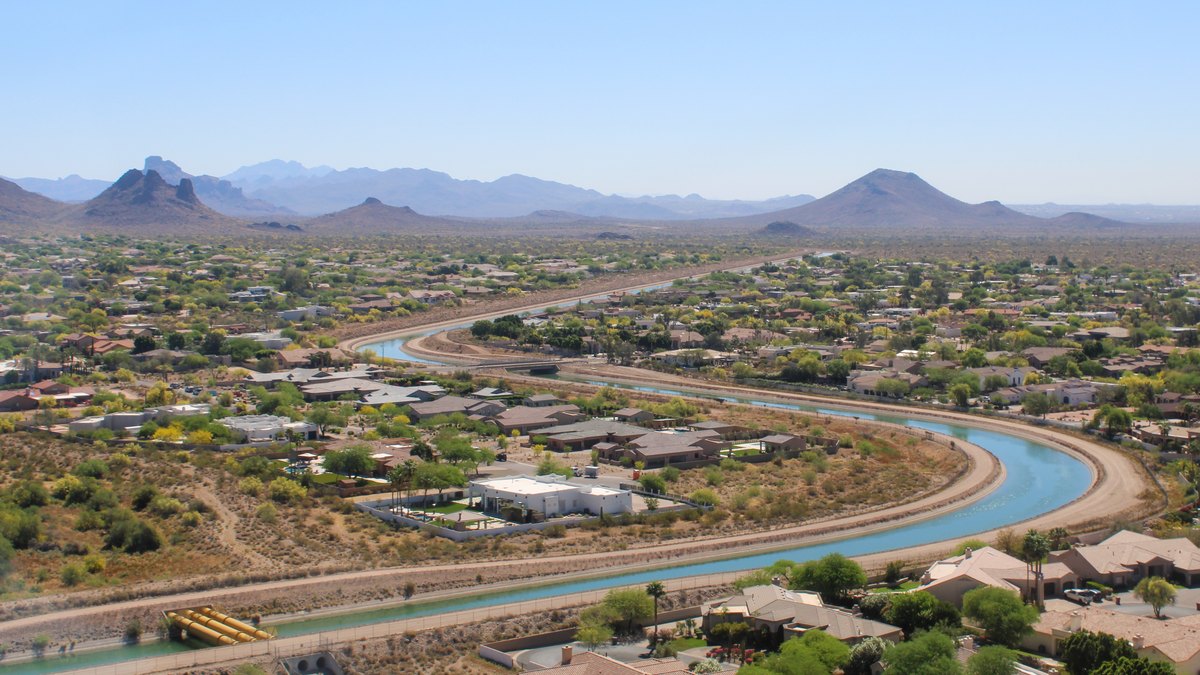
Webiga Colorado wuxuu ka kooban yahay 40% sahayda Phoenix, halka Salt iyo Verde Rivers ay bixiyaan 58%. CAP waxay 336 mayl u qaadaysaa biyaha Phoenix iyo Tucson, nidaamkana lagu dhisay in ka badan $4 bilyan.
Kharashka iyo Codadka Maamulayaasha
Max Wilson wuxuu yiri: 'Arizonans have been solving water problems for our entire history.' Wuxuu xaqiijiyay in gooyooyinku aysan halin doonin sahayda guryaha, isagoo yiri: 'There will never be a moment where you go into your house, you turn on your faucet and no water comes out the other side.'
Doug Dunham oo ka tirsan EPCOR USA ayaa sheegay in xeeladaha ilaa hadda shaqeeyay ay kooban yihiin. Lauren Hixson ee Gilbert ayaa xustay in dadku aysan diidanayn casriyaynta. Biilasha Gilbert ayaa labanlaabmay tan iyo 2024 iyadoo 41% ay ka helaan webiga.
Starting January 1, Arizona faces mandatory 27% reductions in its Colorado River water through 2028 under a new federal plan, prompting cities to rely on costly infrastructure upgrades to keep taps flowing for over 1.7 million residents.
Federal Mandate Forces Massive Cuts
After years of failed negotiations among seven states, the federal government imposed a plan that slashes Arizona's Colorado River allocations by 27% annually through 2028, with potential for deeper reductions afterward. Lake Powell and Lake Mead, the river's two largest reservoirs, have reached record-low levels due to more than 26 years of drought and climate change.
The Central Arizona Project, a $4 billion canal system spanning 336 miles across the desert, delivers Colorado River water to Phoenix and Tucson. Colorado River water accounts for 40% of Phoenix's supply, making it the hardest-hit source as the system faces unprecedented demand constraints.
Cities Invest Billions in Backup Systems
Phoenix and neighboring cities have spent hundreds of millions on infrastructure to diversify their water portfolios. The Salt and Verde Rivers supply 58% of Phoenix's water, while a $300 million 'drought pipeline' completed in early 2023 now carries water from the south to the north side of the city, serving over 400,000 residents.
EPCOR USA's Anthem plant accesses Colorado River water through a nine-mile pipeline leased from the Ak-Chin Indian Community, which holds legally protected water rights. However, officials warn that future solutions will require even more expensive projects as existing strategies reach their limits.
Residents Bear the Cost of Survival
Water bills in Gilbert have roughly doubled since 2024, as the city loses 20% of its Colorado River allocation under the new cuts. Officials say residents have grown more receptive to upgrades, but the financial burden of billions in infrastructure investments will ultimately fall on households and businesses.
Max Wilson of the City of Phoenix emphasized that while faucets will never run dry, the era of cheap water is over. 'All those solutions are here, and we know what they are,' he said, 'They are going to be very expensive. And ultimately, our customers are going to be the ones who have to pay that bill.'
Ilaha iyo xuquuqda sawirka
Sawir: NPR News Xigasho