
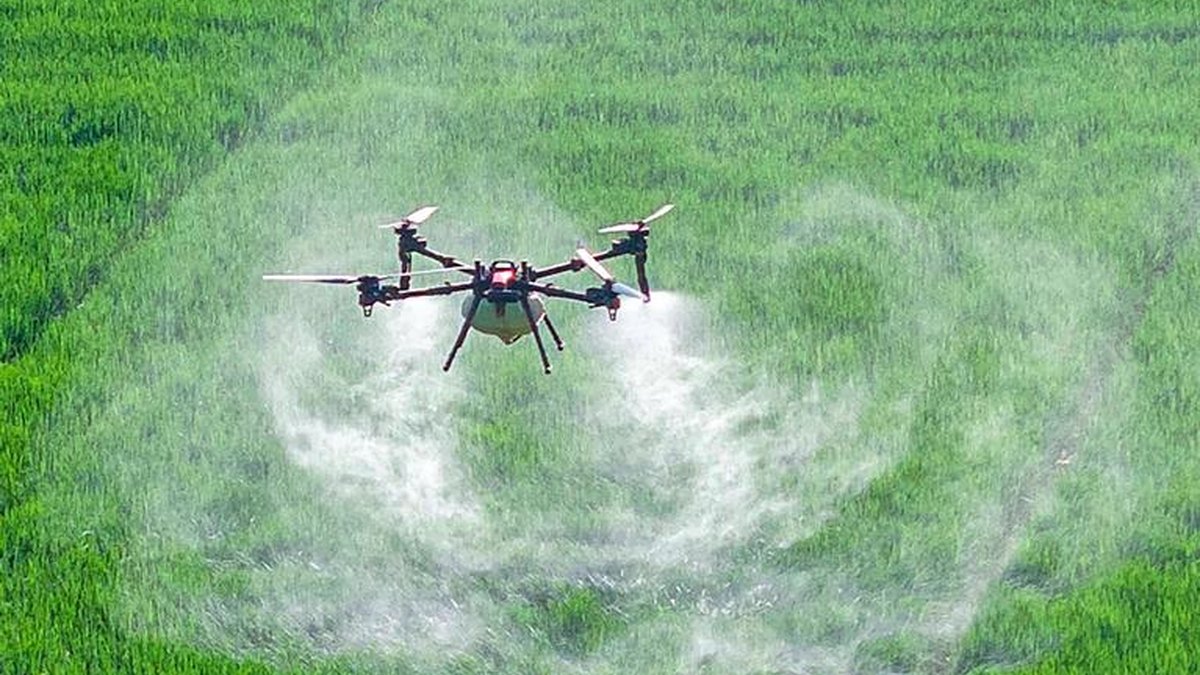
Midowga Yurub oo damacsan inuu oggolaado diyaaradaha aan duuliyaha lahayn ee sunta dhirta: Khubarada oo ka digaya khatarta
Xeerka Omnibus X ee Golaha Yurub oggolaaday bishii Maajo ayaa beddelaya mamnuucida duulista sunta, laakiin cilmi-baarayaashu waxay ka digayaan saameyn xun.
Xirmada sharciyeed ee Omnibus X ee Midowga Yurub waxay hiigsanaysaa inay fududayso sharciyada badqabka cuntada, waxayna qorsheynaysaa inay badiso isticmaalka kiimikada ilaalinta dhirta kala badh marka loo eego 2030. Bishii Maajo ayaa Golaha Yurub ogolaaday, taasoo beddelaysa mamnuucida duulista sunta ee jiray.
Diyaaradaha aan duuliyaha lahayn iyo isticmaalka sunta
Ilaa hadda, Midowga Yurub wuxuu jiilley mamnuucid tobanaan sano jirtay oo ku saabsan ku buufinta sunta dhirta hawada ka sarreysa dhulka beeraha, marka laga reebo meelaha adag. Omnibus X ayaa hadda loo dhigay inuu taas beddelo, taasoo u furaysa dariishad isticmaalka diyaaradaha aan duuliyaha lahayn.
Marka loo eego Thomas Daum, diyaaradaha noocan ah waxay guud ahaan si sax ah u buufin karaan marka loo compare-eego diyaarad ama helikobtar. Laakiin wuxuu ka digay: "the drone itself does not save any pesticide." Wuxuuna darbiyay: "At the same time, this flexibility lowers the barriers to treatment and could therefore also lead to spraying being carried out more frequently overall".
Dhaleeceynta cilmi-baarayaasha iyo khatarta sharciga
Markii Golaha Yurub uu oggolaaday Omnibus X bishii Maajo, koox ka mid ah cilmi-baarayaasha 27 xarumood oo Yurub ah ayaa dhaleeceyn xooggan soo saaray. Carsten Brühl, bayooloji yaqaan ka tirsan Jaamacadda Rheinland-Pfalz, wuxuu ku tilmaamay "deregulation package" wuxuuna aad uga naxay.
Cilmi-baarayaashu waxay ka digayaan inay u horseedi karto in walxo badan oo firfircoon loo oggolaado muddo aan xad lahayn, iyadoo dib-u-eegis goos goos ah meesha laga saarayo. Brühl wuxuu ku tilmaamay fikradda "reckless" wuxuuna ka digay in walxaha looga shakisan yahay waxyeello ay suuqa sii joogi karaan.
Beddelka aan sunta lahayn iyo amniga cuntada
Brühl waa ka hubaa in sharciga cusub uusan hoos u dhigin isticmaalka sunta, xitaa iyadoo la adeegsanayo diyaaradaha iyo buufin sax ah. Wuxuu tilmaamay in habkanu uusan u shaqaynayn fungicides-ka, wuxuuna ku dooday in mabaadi'da taxaddarka ay tahay in la raaco.
Maamulka isku-dhafka ah ee cayayaanka wuxuu qoraa in kiimikada loo isticmaalo kaliya marka ugu dambeysa, ujeedadu waa wax-soo-saarka iyo yaraynta waxyeellada. Laakiin Brühl wuxuu yiri nidaamka monoculture wuxuu dhibaaxayaa amniga cuntada "because you have a system in place that can't cope with climate change".
The European Union is set to lift a long-standing prohibition on spraying pesticides from aircraft, a move that could reshape agricultural chemical use across the bloc. The change is part of the Omnibus X legislative package, approved in May by the European Council, which also aims to halve chemical use by 2030.
Drones Offer Precision, But May Not Reduce Chemicals
Proponents argue that drones can apply herbicides, fungicides and insecticides more precisely than traditional aircraft or helicopters, targeting only areas where pests are present. Thomas Daum, an agricultural economist at the University of Gothenburg, noted that drones can respond quickly to infestations even in difficult terrain.
However, Daum cautioned that the technology itself does not automatically reduce pesticide volumes. He warned that greater flexibility could lower barriers to treatment, potentially leading to more frequent spraying overall and reinforcing dependence on chemical crop protection.
Critics Call the Package a Deregulation Push
When the European Council approved Omnibus X in May, researchers from 27 European institutions voiced strong opposition. Carsten Brühl, a biologist at the Rheinland-Pfalz Technical University, described the legislation as a 'deregulation package' and called the proposal 'reckless,' arguing it could allow harmful substances like glyphosate to remain on the market indefinitely.
Under the current system, pesticide active substances are approved for 10 years, with a review process introduced in 2011 that has already led to 59 substances being rejected. Omnibus X proposes extending transition periods after approval from 18 months to three years, raising fears that regular reassessments will be eliminated.
Integrated Pest Management Offers a Safer Alternative
Brühl argued that agriculture can function without synthetic chemicals through integrated pest management, a concept enshrined in German law since 2012. This approach uses natural predators, flower strips and mechanical weed removal, reserving chemical pesticides only as a last resort to secure yields while protecting people and the environment.
Critics also challenge the narrative that pesticides are essential for food security. Brühl warned that monocultures and pesticide-disrupted ecosystems make agriculture more vulnerable to climate change, ultimately threatening food security by creating systems that cannot adapt to changing conditions.
Ilaha iyo xuquuqda sawirka
Sawir: DW World Xigasho