
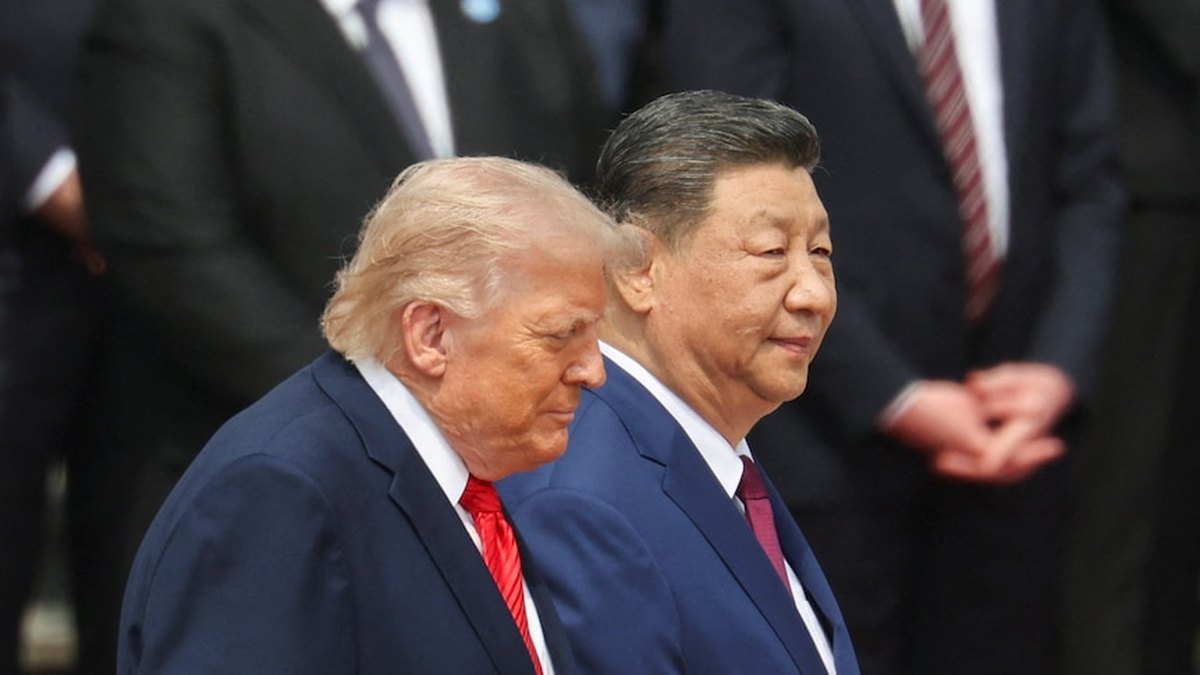
Madaxda adduunka ayaa ku wada socda New York, laakiin taqaddarka dunidu waxay ku xiran tahay kulan Trump iyo Xi
Madaxweynayaal ka socda 130 dal ayaa New York ku wada socda kulanka guud ee Qaramada Midoobay, balse kulan kale oo ka dhacaya Washington ayaa la sheegay inuu yahay kan kaliya ee taqaddarka adduunka uga go'an yahay.
Dagaalka Iran iyo khilaafka adduunka
Dagaalka Iran wuxuu sii socdaa, iyadoo ciidamada IRGC-ka Iran aysan doonayn in dagaalku dhamaado, waxaana jira eedeyn ku saabsan weerar lagu beegsaday iskuul Iran ah oo geystay dhimashada 120 arday, taas oo Qaramada Midoobay ay sheegtay inay noqon karto dil dagaal.
Madaxweyne Masoud Pezeshkian ayaa ka hadli doona Qaramada Midoobay, halka Madaxweyne Trump uu u diiday in hoggaamiye Paleshtiini ah uu ka qeyb galo kulanka, taas oo ah mar labaad oo ay dhacday tan iyo sanadkii hore.
Xisaabta China iyo isbeddelka siyaasadda
China waxay ka maqan tahay kulanka guud ee Qaramada Midoobay sanadkan, iyadoo Madaxweyne Xi Jinping uu u socdo Washington si uu u kulmo Trump, waxaana la sheegay inay China uusan dhaqaaleheedu saameyn badan ku yeelan dagaalka Iran, sababtoo ah waxay leedahay kaydka macdanta badan.
Shirkii BRICS ee New Delhi, Madaxweyne Xi wuxuu sheegay in China ay diyaar u tahay inay ka qeyb gasho nabadgelyada iyo amniga dhaqaale ee dalka Paleshtiiniya iyo gobolka Gulfka, halka South Korea, Japan iyo China ay isku dayayaan inay heshiis ganacsi cusub sameeyaan.
Khataraha Russia iyo isbeddelka Yurub
Madaxweyne Emmanuel Macron wuxuu sheegay in 'haddii aysan jirin nabad, waxba kuma jiraan', isagoo sheegay in khataraha Russia ee Yurub ay sii kordheen, waxaana jira weeraro badan oo drone ah oo Russia ku qaaday dalal Yurub ah.
Dalka Poland iyo dalal kale ayaa ku jira amniga sare, iyadoo NATO ay ka fiirsanayso inay sameyso heshiis cusub oo aan lahayn Mareykanka, halka dagaalka Ukraine uu sii xumaaday.
While presidents and prime ministers from an estimated 130 countries converge in New York for the United Nations General Assembly, the single meeting most likely to determine the world's immediate future is taking place in Washington between US President Donald Trump and Chinese President Xi Jinping.
A Year of Turmoil: Iran, Russia and the Shifting Global Order
The global landscape has shifted dramatically since last year's summit. Iran has managed to close the Strait of Hormuz, disrupting 20 per cent of the world's energy flows, while the Iran-allied Houthis in Yemen have also jeopardised oil shipments through the Red Sea. France's President Emmanuel Macron has warned that 'No-one is safe' from Russian hybrid warfare in Europe, citing a single night of 138 drone or cyber attacks on neighbouring countries including Estonia and Poland.
Meanwhile, the Ukraine conflict continues to worsen despite Trump's earlier claims he could resolve it within 24 hours. The United Nations last week determined that suspected US strikes on an Iranian school that killed 120 children could amount to a war crime, adding to the deepening crisis in the Middle East and the growing sense that the world's major powers are struggling to manage simultaneous conflicts in Gaza, Sudan, Myanmar and the Congo.
China Challenges US Supremacy as BRICS Grows Stronger
China is skipping the UN General Assembly this year, with Xi heading directly to Washington to meet Trump, signalling a new era of competition. The BRICS trade alliance, consisting of Brazil, Russia, India, China and South Africa, has become much stronger since last year's summit. At a recent meeting in New Delhi, Xi stated: 'China is willing to work with fellow BRICS members to play a role in achieving peace and stability in the Middle East and the Gulf region.'
China's economy has not been badly impacted by the Iran war due to its enormous oil and petrol reserves, but if the conflict drags into next year, its own reserves will start to diminish, giving Beijing a real reason to pressure Iran to end the war. Separately, South Korea, Japan and China have begun discussing a new trade pact, further indicating a shift in global economic alliances away from traditional Western dominance.
US Foreign Policy Under Pressure: Israel, Palestinians and European Alliances
The United States has blocked Palestinian leader Mahmoud Abbas from attending the UN General Assembly for the second consecutive year, while simultaneously allowing Iran's President Masoud Pezeshkian to address the same summit. Surveys by both the Pew Research Centre and Gallop show there is now more support in the US for Palestinians than for Israelis, yet the White House continues to support Israel. US Vice-President JD Vance has recently warned the US is the 'only powerful ally' Israel has left in the world.
European countries have begun examining the possibility of a NATO alliance without the US, as countries such as Poland are now on heightened alert for a military attack by Russia. In the past fortnight, Trump reportedly twice rejected Saudi requests for military assistance against the Houthis, leaving Saudi Arabia largely on its own in its military battle. In recent weeks, Trump has also declared a full-scale trade war against Canada, the major trading partner for 25 American states.
Ilaha iyo xuquuqda sawirka
Sawir: ABC Australia Xigasho