
Heshiiskii Mecca: Fursad iyo Khatar oo isku miisaan ah oo Turkey ku kasbantay
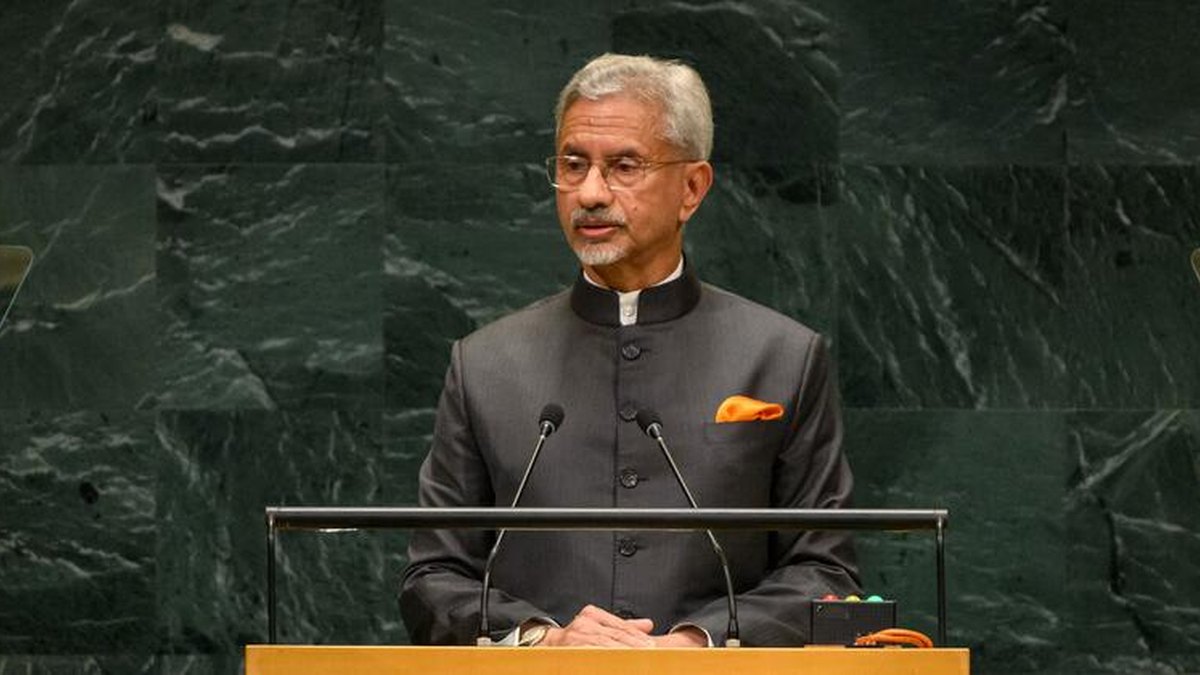
Heshiis difaac ah oo ay saxeendeen Turkey, Sacuudi Carabiya iyo Baakistaan ayaa abuuray qaab dhismeed ammaan oo cusub. Qodobkiisa udub dhexaadka ah wuxuu dhigayaa in qofkii dal ka mid ah weerara loo tixgeliyo inuu dhammaan wadaagsan yahay. Wakiilka arrimaha dibadda Turkey, Hakan Fidan, ayaa sheegay in wadahadaladuu socdeen 'in ka badan laba sano'.
Doonista Saaxiibada Cusub ee Ankara
Khubarada ayaa qaba in heshiisku uu Ankara siinayo, ugu yaraan hadda, 'boqolleydiin cusub oo diblomaasiyadeed' halkii ay ka ahaan lahayd dammaanad ciidan oo adag. Waxaa sidoo kale la filayaa inuu xoojin doono xiriirka ammaanka ee Turkey iyo Sacuudi Carabiya, uuna kordhin doono fursadaha gobolka.
Dr Yasir Atan oo ka tirsan CSIS ayaa ku dooday in Turkey ay raadineyso 'saaxiil maamul oo cusub' kadib ammaan darro gobolka ka dhalatay weerarkii 7 Oktoobar ee Hamas iyo dagaalkii Iiraan. Sacuudi Carabiya waxaa loo arkaa 'saaxiil maamul', Baakistaanna waa lugta saddexaad.
Khatarta iyo Caqabadaha Hortagan
Turkey waxay wajaysaa khatarta inay gasho dhibaatooyin aan iyadu ahayn kuwo ay abuurtay, fidinta awooddeeda milatari iyo warshadeed, iyo ballanqaadyo iskhilaanaya waajibka Nato. Waxay sidoo kale maamushaa xiriirka Iran, Israel, UAE iyo Sacuudi isku mar.
Akkas ma filayso in dalalka laga tago Washington. Isbeddelka xoogga siyaasadeed ee Baakistaan, carshiga Sacuudi, iyo doorashada Turkey ayaa tijaabin kara rabitaanka siyaasadeed. Qaab dhismeedku wali wuu yaryahay.
Dabeecadda iyo Ballanqaadka Heshiiska
Heshiisku ma cayimin cadaw, mana bixin qeexitaan cibaadaha uu ka hortagayo. Fidan wuxuu ka hadlay 'cibaad guud' halkii cadaw la mid ah, wuxuuna ku adkaystay inaanu ahayn qaab weerar ah, ujeedkiisuna yahay xasilooni.
Fidan wuxuu hoosta ka xariiqay in 'Iiraan uusan bartilmaanshahayaga ku jirin'. Masar ayaa loo sheegay inay tahay musharax balaarinta, laakiin Akkas waxay tiri 'dhismihiisa milatari iyo dhibahatu keeni lahaayeen, maahan saaxiilka ugu macquulsan'.
Turkey, Saudi Arabia and Pakistan have signed a defence pact known as the Mecca Agreement, pledging that an attack on one member will be treated as an attack on all. Foreign Minister Hakan Fidan said the talks had been running for more than two years, but analysts warn the structure remains in its infancy and much about its practical application is still unclear.
A New Regional Security Architecture
The central clause of the pact states that an attack on one member is to be treated as an attack on all, fueling expectations that the three countries could build a Nato-style deterrent of their own. Yet the pact identifies no adversary and offers no definition of the threat it exists to counter, leaving an obvious question hanging about what would trigger the commitment in practice.
Foreign Minister Hakan Fidan insisted the agreement is not an offensive structure directed at any country, and that its purpose is to shore up regional stability and build mutual security and solidarity among the parties. He underlined that Iran is not in its sights, framing the arrangement as a response to a common threat rather than a common enemy.
Ankara's Strategic Calculus
Analysts suggest the pact offers Ankara less a hard military guarantee than fresh diplomatic room to manoeuvre, deepening Turkey's security ties with Saudi Arabia and multiplying its options across the region. Dr Yasir Atan of CSIS argues that Turkey is looking for a new principal partner amid the deepening regional insecurity that followed the 7 October attack by Hamas and the war with Iran.
Turkey and Israel increasingly see each other as a threat across a widening set of arenas with Syria, Cyprus, the Eastern Mediterranean and Somalia among them. Dr Betul Dogan-Akkas does not expect any of the three countries to strike out entirely on their own from Washington, but says the Israel-centred cast of US policy is pushing regional powers to work more closely with one another.
Uncertainties and Future Challenges
The balance of political forces in Pakistan, whether Mohammed bin Salman ascends to the Saudi throne, and elections in Turkey are all processes capable of testing the political will behind the arrangement. Dr Betul Dogan-Akkas notes that given Egypt's military structure and the security problems it would generate, it isn't actually the most rational partner for expansion of the pact.
Ankara now faces the risk of being dragged into crises that are not its own, of stretching its military and industrial capacity past its limits, and of taking on commitments that sit awkwardly with its obligations inside Nato. The pact's structure is still in its infancy, and much remains unclear about how military, intelligence and technological capabilities are to be pooled.
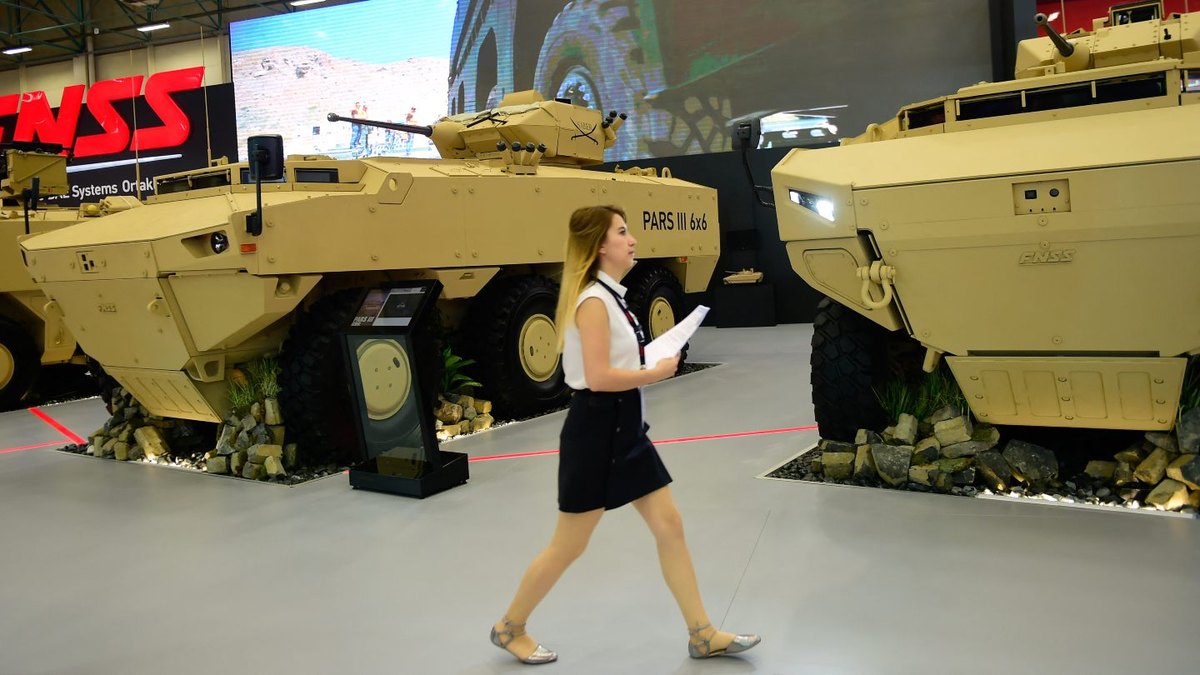
Ilaha iyo xuquuqda sawirka
Sawir: Middle East Eye Xigasho