
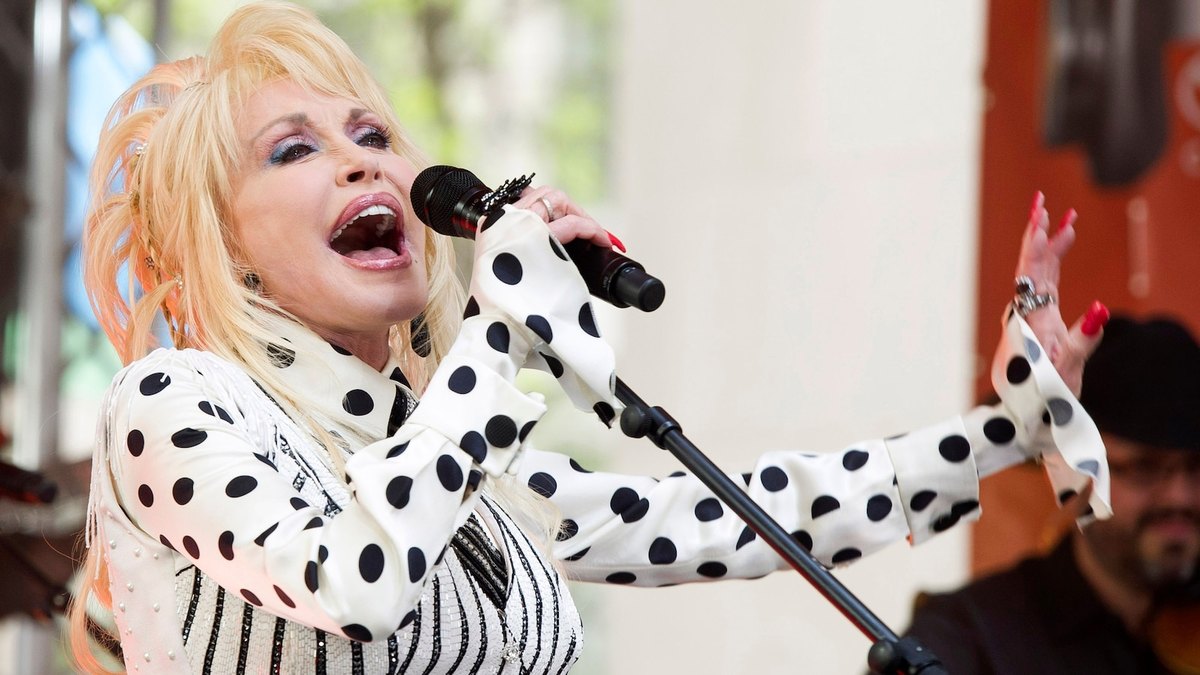
Dolly Parton: Haween-beeleed aan sumcaddeeda qirin, laakiin taageerayaasheedu waxay aragtiyay codkeeda
Dolly Parton waxay dhimatay iyada oo da’da ah 80, iyada oo aan waligeed qaadan summada haween-beeleedka. Si kastaba ha ahaatee, ficilladeeda iyo heesaha ay qortay ayaa muujinayay madax-bannaanid iyo taageero haween, sida ay sheegeen qoraayaal iyo taageerayaal badan.
Muuqaalka Ms. Magazine iyo Aragtida Steinem
Bishii Janaayo 1987, Dolly Parton waxay ka soo muuqatay jaldiga majaladda Ms., taas oo ay wada-aasaaseen Gloria Steinem. Steinem ayaa qoray in Parton ay maskaxdeeda ganacsi u adeegsatay in ay haweenka iyo dadka saboolka ah wada jirto.
Steinem waxay sidoo kale qortay in haddii haween-beeleedku yahay mid hela awooddeeda gaarka ah oo haween kale caawisa, Parton ay labadaba qabsatay. Tani waxay muujinaysaa sida sumadda haween-beeleedka loogu talagalay in aanay ahayn mid rasmi ah oo kaliya.
Heesaha iyo Fariimaha Xaqa Haweenka
Sanadkii 1975, Parton waxay qortay 'The Bargain Store', heesta ay idaacadda waddaniga ah diiday sababtoo ah waxay u arkeen in ay ka hadlayso dhillaysiga. Waxay kaloo qortay 'Down from Dover' oo ku saabsan hooyo dhallinyaro ah oo aan guursan.
Parton waxay sheegtay in ay heestaas qortay xilli aan lahadlin hooyooyinka aan guursan ee idaacaddana aysan ciyaarin. Sanadkii 2019, waxay dadkii joogay Newport Folk Festival u sheegtay in 'Just Because I’m a Woman' ay ka hadlayso halbeeg laba-gees ah.
Waraysigii Barbara Walters iyo Doorashada Muuqaalka
Sannadkii 1977, Parton waxay waraysi siiyasay Barbara Walters, waxaana ay sheegtay in dadka qaar ay uga digeen in aysan la hadlin. Waxay ku tidhi 'It's certainly a choice' oo ku saabsan muuqaalkeeda.
Parton waxay Walters ku tidhi 'I know exactly what I am doing and I can change it at any time' iyo 'I make more jokes about myself than anybody'. Tani waxay muujinaysaa kalsooni iyo xaq u yeelasho doorashooyinkeeda shaqsiga ah.
Dolly Parton, who died at 80, never claimed the feminist label, yet her lyrics, life choices and public statements spoke volumes about independence and self-respect. From the 1987 cover of Ms. magazine to her 2019 Newport Folk Festival performance, her legacy resonates with feminist fans who saw her as a pioneer of individual choice and empowerment.
A Star Who Refused Political Labels
Dolly Parton, the beloved country superstar who died this week at 80, never embraced the feminist label. She carefully avoided political labels throughout her career, yet her actions and accomplishments told a different story. Gloria Steinem, co-founder of Ms. magazine, featured Parton on the January 1987 cover as one of its 12 Women of the Year, celebrating her impact on women and communities.
Fans like Lynn Melnick, author of 'I've Had to Think Up a Way to Survive: On Trauma, Persistence, and Dolly Parton,' found themselves searching for moments where Parton might have called herself a feminist. 'She didn't tell us she was a feminist,' Melnick said. 'She showed us — in her actions and her words and in her songs. And I think that's why people loved her so much.'
Lyrics That Challenged Double Standards
Parton's songs addressed issues like reproductive justice, teen pregnancy and double standards regarding sex. Her 1975 song 'The Bargain Store' was shunned by country radio because listeners took it to be about prostitution, when it was actually about healing after a relationship. Similarly, 'Down from Dover,' written about a single teen mother, was not played on the radio during a time when people did not talk about unwed mothers.
At the 2019 Newport Folk Festival, Parton drew delighted cheers when she sang the lyric to 'Just Because I'm a Woman': 'My mistakes are no worse than yours, just because I'm a woman.' She explained the song was about a double standard, referencing a conversation with her husband after marriage when he asked if she had been with other men.
Confidence as an Act of Self-Respect
In a 1977 interview with Barbara Walters, Parton addressed questions about her appearance with quiet confidence. 'I know exactly what I am doing and I can change it at any time,' she said. 'I make more jokes about myself than anybody... I am sure of myself as a person and I am sure of my talent. I am very content. So I can afford to diddle around with makeup and clothes and stuff because I am secure with myself.'
Music writer Caryn Rose noted that Parton 'knew she was blonde and pretty, and that it was always going to work against her. So she figured out how to make it work FOR her. There's not anything more feminist than that!' Evelyn McDonnell, editor of 'Women Who Rock,' described Parton's embrace of objectification as a 'magic cloak' that allowed her to express progressive views safely.
Ilaha iyo xuquuqda sawirka
Sawir: ABC News US Xigasho