
Shirkadaha Bulshada Caddaanka ee Mareykanka: Saamaynta Weyn ee Ku Haysta Waxbarashada
Warbaahinta New York Times-ka, Natasha Singer, waxay sheegtay in shirkadaha caddaanka ee Mareykanka ay ku dhex jiraan xulka waxbarashada dowladda iyagoo isticmaala lacag, awood iyo alaabta ay leeyihiin si ay u saameeyaan qaybaha kala duwan ee waxbarashada.
Xawaaraha Lacagta iyo Alaabta Shirkadaha
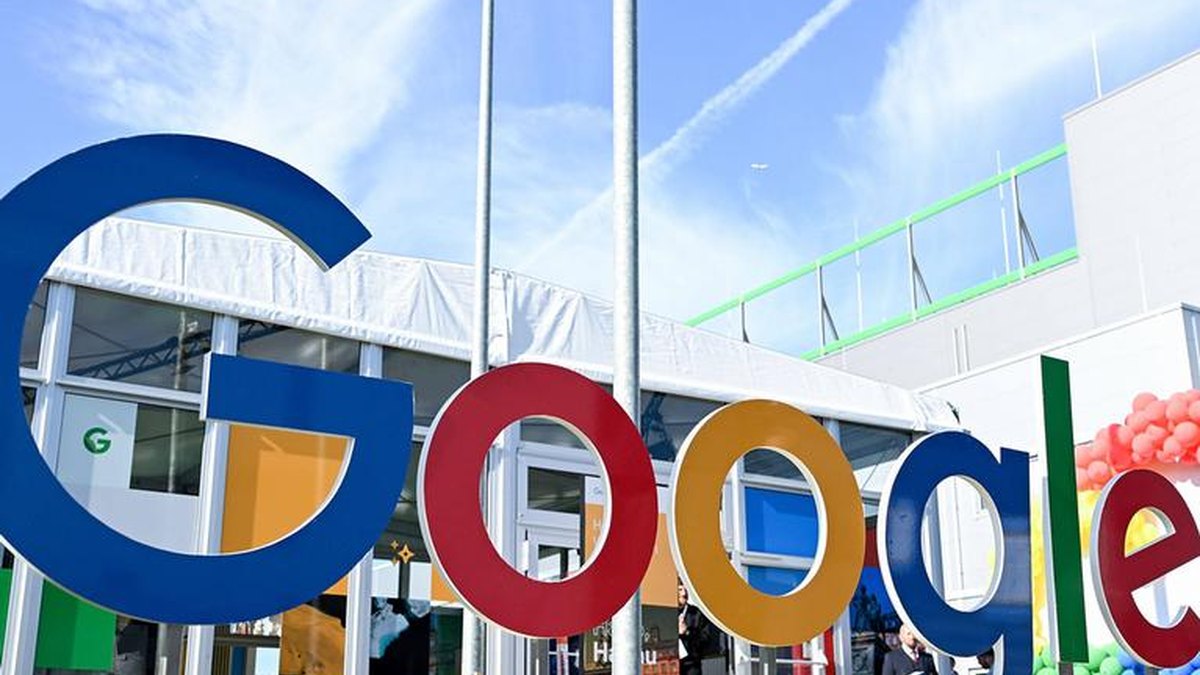
Dugisaha dowladda Mareykanka waxay sanadkiiba lacagaha badan ku bixiyaan alaabta caddaanka ee dugsiyada, sida barnaamijyada iyo kombiyuutarrada. Shirkadaha sida Google iyo Microsoft waxay leeyihiin qaybo waxbarasho oo ay ku iibiyaan alaabtaas.
Singer waxay sheegtay in shirkadaha ay bixiyaan adeegyada bilaashka ah sida Gemini, Google-ka chatbot-ka, iyagoo sidoo kale bixiya tababarro iyo macluumaadka caddaanka ee macallimiinta iyo ardayda. Waxayna ku bixiyaan lacagaha yar yar ee loo baahan yahay, sida $12 sanadkiiba arday kasta oo loo baahan yahay in la xiro kombiyuutarka muddada imtixaanka ah.
Dagaalka Shirkadaha cusub ee ku biiraya suuqa
Shirkadaha cusub sida OpenAI iyo Anthropic waxay ku biirayaan suuqa waxbarashada iyagoo bixiya adeegyada cusub ee macallimiinta iyo ardayda. OpenAI waxay la gashay dugsiyada inay bixiyaan ChatGPT Edu, halka Anthropic ay sameysay barnaamij tababar ah macallimiinta.
Shirkadaha cusub waxay ku biirayaan suuqa shirkadaha hore ee sida Google iyo Microsoft, iyagoo u baahan inay sameeyaan mashruucyo cusub oo ay ku biiraan dugsiyada.
Khilaafka saamaynta shirkadaha caddaanka
Waxaa jira khilaaf u dhexeeya waxbarashada iyo shirkadaha caddaanka, iyadoo shirkaduhu ay u baahan yihiin inay saameeyaan waxbarashada si ay uga faa'iideystaan suuqa. Macallimiinta iyo waalidiinta waxay u baahan yihiin in ardaydu ay helaan waxbarashada caddaanka, laakiin shirkaduhu waxay u baahan yihiin inay saameeyaan waxbarashada si ay uga faa'iideystaan suuqa.
Shirkadaha sida Microsoft iyo Google waxay macallimiinta u sheegaan inay u baahan yihiin inay u diyaariyaan ardayda mustaqbalka caddaanka ah, laakiin waxay u baahan yihiin inay saameeyaan waxbarashada si ay uga faa'iideystaan suuqa.
A handful of technology giants have used their money, might and mammoth platforms to influence nearly every step of the education supply chain, according to New York Times reporter Natasha Singer, who spent years investigating the issue for her new book, Coding Kids.
Billions in Spending and Embedded Influence
Public schools in the United States spend billions of dollars a year buying technology for the classroom, including software, math apps and computers for every student. Companies like Google and Microsoft have education divisions that sell technology to schools, creating an entrenched system where districts refer to themselves as Google, Microsoft or Apple districts.
On top of purchases, these companies provide services that schools pay for, such as tracking systems for Chromebooks or lockdown software for tests, which can cost around $12 per kid per year. They also offer free services, including Google's Gemini chatbot for schools that use Google apps, and teacher training that is often funded or even led by tech companies.
Newcomers Race to Break Into the Market
OpenAI made deals with some large and small school districts to provide ChatGPT Edu, a version that does not use teacher and student data to train its model and has increased safeguards compared to the consumer product. OpenAI also trained teachers on these tools and allowed them to use ChatGPT Edu for free for an initial period of about a year.
In the last few weeks, Anthropic, which makes the Claude chatbot, announced it had made a program for teachers with online lessons that teachers can sign up for to become proficient at Claude. These newcomers are trying to break into the space where companies like Google and Microsoft and Apple already have heavy footprints.
A Tension Between Progress and Control
There is a very interesting tension here between the desire of schools and teachers and parents to want students and kids to learn the latest technology, and the reality that when tech companies shape the curriculum and train the teachers, they are going to teach what is good for them but also what their worldview is. Microsoft says something like, teachers, prepare your kids for an AI-driven future, while Google says something like, teachers, use our tools and help prepare students for an AI-first future.
The story of how big tech companies like Google and Microsoft and the nonprofit groups they funded catalyzed computer science in schools is extraordinary, and there is no precedent in the history of public education in the United States. Around 2011 and 2012, tech executives started to say publicly that they could not find enough talented software engineers to hire and that the blame lies with the public school system that is not teaching enough kids to code.
Ilaha iyo xuquuqda sawirka
Sawir: NPR News Xigasho