Robo-bilowga: Robotka 'Lightning' ee Honor wuxuu ka gudbayaa rekoodhka Usain Bolt ee 100 mitir
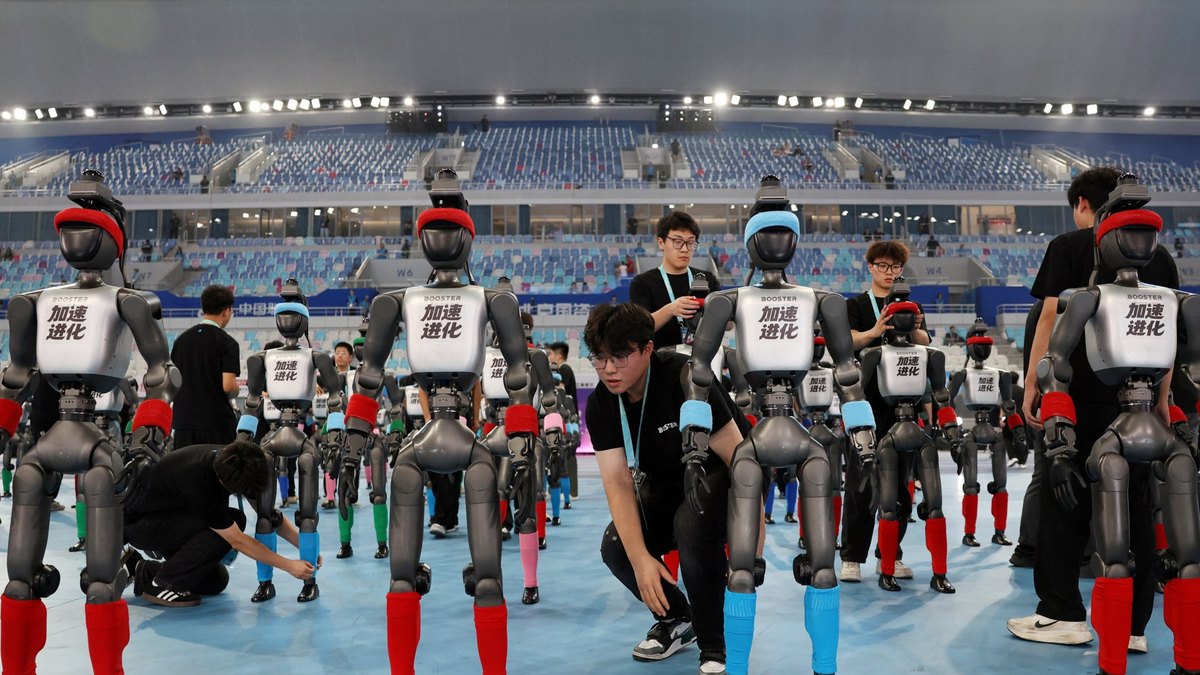
Robotka barwaaqo-sooranka ah ee loo yaqaan 'Lightning', oo ay horumarisay shirkadda Honor ee Shiinaha, wuxuu 100 mitir ku dhuftay 9.32 ilbiriqsi, isagoo ka gudbay rekoodhka adduunka ee Usain Bolt ee 2009-kii. Tani waxay ku dhacday munaasabad ka horreysay tartanka labaad ee Ciyaaraha Barwaaqo-sooranka Adduunka ee Beijing.
Dhibaatada iyo Rekoodhka
Robotka Lightning, oo ka mid ah kuwa ugu horreeya ee barwaaqo-sooranka ah, wuxuu 100 mitir ku dhuftay 9.32 ilbiriqsi, taasoo ka sarreysa rekoodhka Usain Bolt ee 9.58 ilbiriqsi ee Berlin 2009-kii. Tani waxay muujisay in teknolojiyadda Shiinuhu ay gaartay heer cusub oo aan hore loo arkin.
Shirkadda Honor, oo ah mid ka mid ah shirkadaha ugu waaweyn ee telefoonada Shiinaha, waxay horumarisay robotka, kaas oo gaaray xawaare dhexe ah 14.5 mitir ilbiriqsi, taasoo muujinaysa inuu yahay mid aad u degdeg badan.
Tartanka iyo Munaasabadda
Tartankan wuxuu ahaa mid ka horreysay munaasabadda labaad ee Ciyaaraha Barwaaqo-sooranka Adduunka, oo furmay Beijing Axaddii. Robotka Lightning wuxuu sidoo kale guuleystay tartanka 21-kilomitir ee maraakiibta Beijing ee April-kii, isagoo ku guuleystay 50 daqiiqo iyo 26 ilbiriqsi.
Shiinuhu wuxuu ku biiray in robotka barwaaqo-sooranka ah uu noqdo mid muhiim ah, iyadoo si weyn loogu maamulo inuu noqdo mid ka mid ah qaybaha ugu muhiimsan ee horumarka dalka.
Horumarka iyo Mustaqbalka
Robotka Lightning, oo 169 sentimitir oo dhan u dhexeeya, wuxuu lahaa 95 sentimitir oo dhan oo dhabarka ah, laakiin waxaa la beddelay 10 sentimitir oo dhabarka ah si uu u noqdo mid aad u degdeg badan. Tani waxay muujisay in horumarka uu socdo si weyn.
Shiinuhu wuxuu ku biiray in robotka barwaaqo-sooranka ah uu noqdo mid muhiim ah, iyadoo si weyn loogu maamulo inuu noqdo mid ka mid ah qaybaha ugu muhiimsan ee horumarka dalka.
A humanoid robot named Lightning, developed by Chinese smartphone maker Honor, ran 100 metres in 9.32 seconds during a preparatory test event for the second World Humanoid Robot Games in Beijing, surpassing Usain Bolt's 9.58-second record set in 2009.
Lightning Breaks the 100-Metre Barrier
The robot, developed by Honor, completed the 100-metre sprint in 9.32 seconds, beating the 9.58-second world record held by Jamaican sprinter Usain Bolt since the 2009 World Athletics Championships in Berlin. This achievement was recorded during a preparatory test event for the second World Humanoid Robot Games, which officially opened in Beijing on Saturday.
Lightning reached a peak speed of 14.5 metres per second during the test run, demonstrating significant advances in robotic locomotion technology. The performance marks a milestone in China's push to position humanoid robots as a strategic emerging industry, with policymakers and companies investing heavily in AI and hardware innovations.
Half Marathon Success and Physical Specifications
In addition to the 100-metre feat, Lightning also won the 21-kilometre Beijing half marathon in April, completing the distance in 50 minutes and 26 seconds, faster than the elite men's human world-record pace. At the time of the half marathon, the robot stood 169 centimetres tall with legs measuring 95 centimetres.
Researchers subsequently lengthened the robot's legs by 10 centimetres to 1.05 metres before the World Humanoid Robot Games, aiming to further enhance its running performance. These physical modifications reflect ongoing efforts to optimise the robot's capabilities for competitive events.
China's Strategic Push for Humanoid Robots
China has been actively promoting humanoid robots as a strategic emerging industry, with government policymakers and private companies betting that advances in artificial intelligence and hardware will accelerate their deployment across manufacturing, logistics, and consumer applications. The second World Humanoid Robot Games serves as a platform to showcase these technological achievements.
The event highlights China's ambition to lead globally in humanoid robotics, with companies like Honor developing sophisticated machines capable of outperforming human athletes in sprinting and endurance events. As the games progress, observers will watch for further breakthroughs in robotic technology and their potential real-world applications.