
Maraykanku wuxuu xayirayaa foornooyinka iyo robot-yada shisheeye, laakiin Shiinaha ayaa haysta baaxadda wax-soo-saarka
Xannibaadaha cusub ee Washington iyo canshuuraha ay soo rogtay ayaa muujinaya in suuqa robot-ka uu u qaybsamayo qaybo gobol ah.
Bilaha July iyo August, Washington waxay adkeysay xannibaadaha nidaamyada robot-ka casriga ah ee laga keeno dibadda, waxayna soo rogtay canshuurta culus ee diyaaradaha aan duuliyaha lahayn iyo qaybahooda, iyagoo ku sababeeyay arrimo ammaan qaran. Canshuurta diyaaradaha waxay dhaqan gelayaan September, iyadoo canshuurta qaybaha kale ay soo socotaa 2027.
Liiska FCC iyo saameynta suuqa
Liiska Covered ee FCC, oo la aasaasay 2021, wuxuu markii hore bartilmaameedsaday qalabka isgaarsiinta iyo ilaalinta ee shirkadaha ay ka mid yihiin Huawei, ZTE iyo Hikvision, ka hor inta uusan ku fiday diyaaradaha dibadda laga keeno iyo dhawaanahan qalabka robot-ka casriga ah. Tallaabooyinkan ayaa qayb ka ah dadaalka Maraykanka ee xaddidaya tiknoolajiyadda shisheeye ee warshadaha istaraatiijiga ah.
Soo saarayaasha Shiinaha ayaa boosyo xooggan ka dhisey diyaaradaha aan duuliyaha lahayn iyo robot-yada bini'aadamka u eg, iyagoo inta badan ku tartamaya qiimo ay ku adag tahay xafiiltamayaasha Maraykanka iyo Yurub inay la mid yihiin. Xannibaadahani way ilaalin karaan qaybaha suuqa Maraykanka, laakiin si toos ah kama wada jawaabayaan faa'iidada baaxadda wax-soo-saarka iyo qiimaha jaban ee Shiinaha.
Faraqii baaxadda wax-soo-saarka ee robot-ka
Shiinaha ayaa xukuma wax-soo-saarka robot-ka bini'aadamka ee adduunka, iyadoo marka loo eego Counterpoint ay saadka adduunka gaaray 22,000 oo cutub badhtamihii hore ee sanadkan, inta ugu badan ay ka keeneen soo saarayaasha Shiinaha. Shirkadaha shanta ugu waaweyn ee saadka robot-ka bini'aadamka — AgiBot, Unitree, Galbot, UBTECH iyo Leju Robotics — dhammaantood waxay ahaayeen kuwo Shiinaha ah, waxayna wadaagaan 86% saadka adduunka badhtamihii 2026.
Ankur Saxena oo ah agaasimaha maalgashiga ee TDK Ventures ayaa yiri: "The United States leads in frontier AI, software and semiconductor innovation. China leads in manufacturing scale, supply-chain depth and cost." (q1). Saxena wuxuu intaa ku daray: "You cannot sanction your way around a cost curve. You can only out-build it, and America has yet to begin making the decade-long investment that will require." (q2).
Suuqyo gobol ah oo cusub
Bentzion Levinson, aasaasaha iyo CEO-ga Heven AeroTech, ayaa sheegay in warshadaha diyaaraduhu ay u qaybsamayeen laba nidaam: suuq Maraykanku hogo, iyo suuq Shiinahu hogo oo diiradda saaraya wax-soo-saarka jaban. Levinson wuxuu yiri: "The next battleground is over who owns the next-gen energy and payload architecture" (q3), isagoo xaddiga batteriga ku tilmaamay tartan muhiim ah.
Xannibaadahani waxay dardargelin karaan suuqyo gobol ah: shirkadaha Shiinaha oo ku tartamaya qiime iyo baaxad, kuwa Maraykanka iyo xulafada ah oo ka faa'iidaysta meelaha ammaanku muhiim yahay, iyo kuwa Japan, Taiwan iyo South Korea oo meel dhexdood ah raadinaaya. Saxena wuxuu yiri: "The alternative to China isn’t a purely domestic U.S. supply chain; it’s a diversified allied one" (q4).
Washington has imposed new tariffs on imported drones and tightened rules on foreign-made advanced robots, but industry analysts say China's cost and production advantages are unlikely to be overcome by sanctions alone.
New U.S. Restrictions Target Drones and Robots
In July and August, Washington tightened restrictions on foreign-made advanced robotic systems and imposed steep tariffs on imported drones and their components, both moves citing national-security concerns. The drone tariffs take effect in September, with additional component tariffs following in 2027.
These moves are part of a broader U.S. effort to restrict foreign technology in strategically important industries. The FCC's Covered List, established in 2021, initially targeted telecommunications and surveillance equipment from companies including Huawei, ZTE and Hikvision before expanding to foreign-made drones and, most recently, to advanced robotic devices.
China's Manufacturing Edge Remains Unmatched
Chinese manufacturers have built commanding positions in both drones and humanoid robots, often competing at prices U.S. and European rivals struggle to match. China dominates global humanoid robot manufacturing, with global shipments hitting 22,000 units in the first half of this year — the vast majority from Chinese manufacturers — according to a report by Counterpoint.
The world's five largest humanoid robot makers by shipments — AgiBot, Unitree, Galbot, UBTECH and Leju Robotics — were all Chinese and together accounted for 86% of global shipments in the first half of 2026, according to Counterpoint. Lower prices allow Chinese manufacturers to put more robots into use, generating real-world data that can improve their technology.
A Fragmented Global Market Emerges
The drone industry is increasingly splitting into two ecosystems: a U.S.-led market built around American-made, NDAA-compliant systems, and a China-led market focused on low-cost, high-volume production, said Bentzion Levinson, founder and CEO of Virginia-based drone maker Heven AeroTech. Western manufacturers are unlikely to beat Chinese companies in the low-end consumer drone market, where cost remains a major advantage.
The restrictions could accelerate the emergence of regional markets: Chinese companies competing on cost and scale across much of the world, U.S. and allied manufacturers gaining ground where security requirements matter most, and manufacturers in Japan, Taiwan and South Korea trying to carve out space between the two.
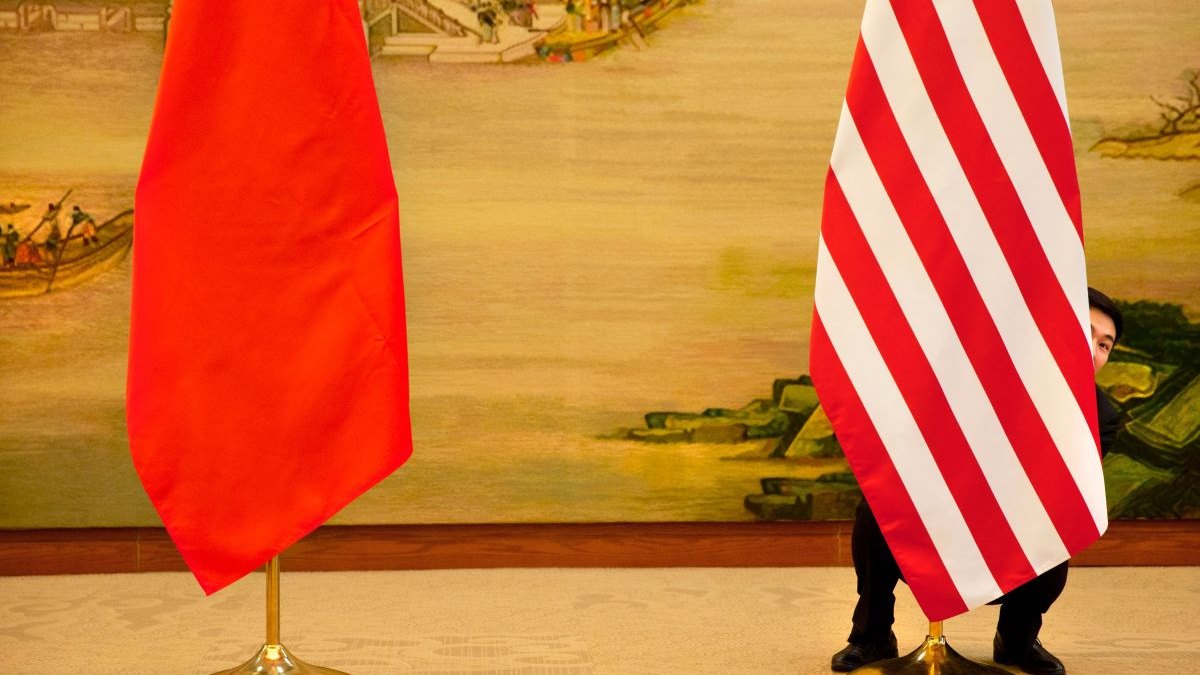
Ilaha iyo xuquuqda sawirka
Sawir: TechCrunch Xigasho