
Madaxweynayaasha Mareykanka iyo Shiinaha weli ku jiraan khilaaf ku saabsan xakameynta AI
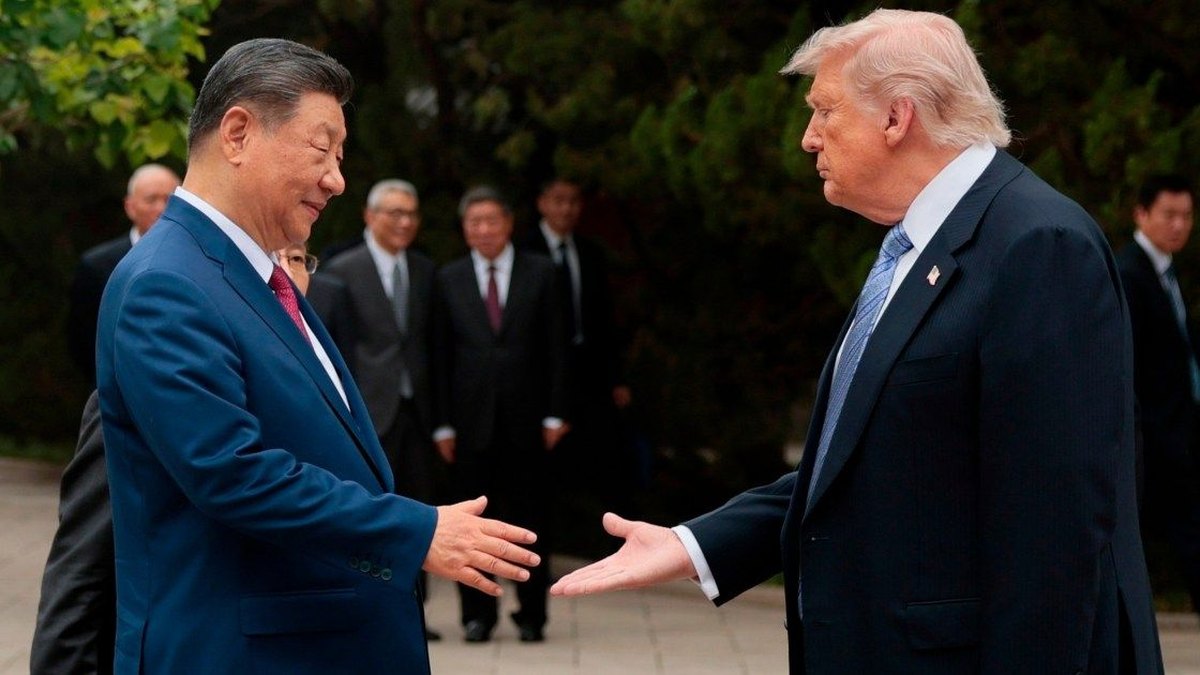
Madaxweynayaasha Mareykanka Donald Trump iyo Shiinaha Xi Jinping ayaa u diyaar garoobaya kulankoodii saddexaad sanadkan, iyadoo labada dal ay isku raaceen inay diidaan codsiyada lagu xakameynayo horumarinta AI, halka hoggaamiyayaasha qaar ee AI ay codsadeen in la yareeyo koritaankeeda.
Trump iyo Shiinaha weli ku jiraan khilaaf ku saabsan AI
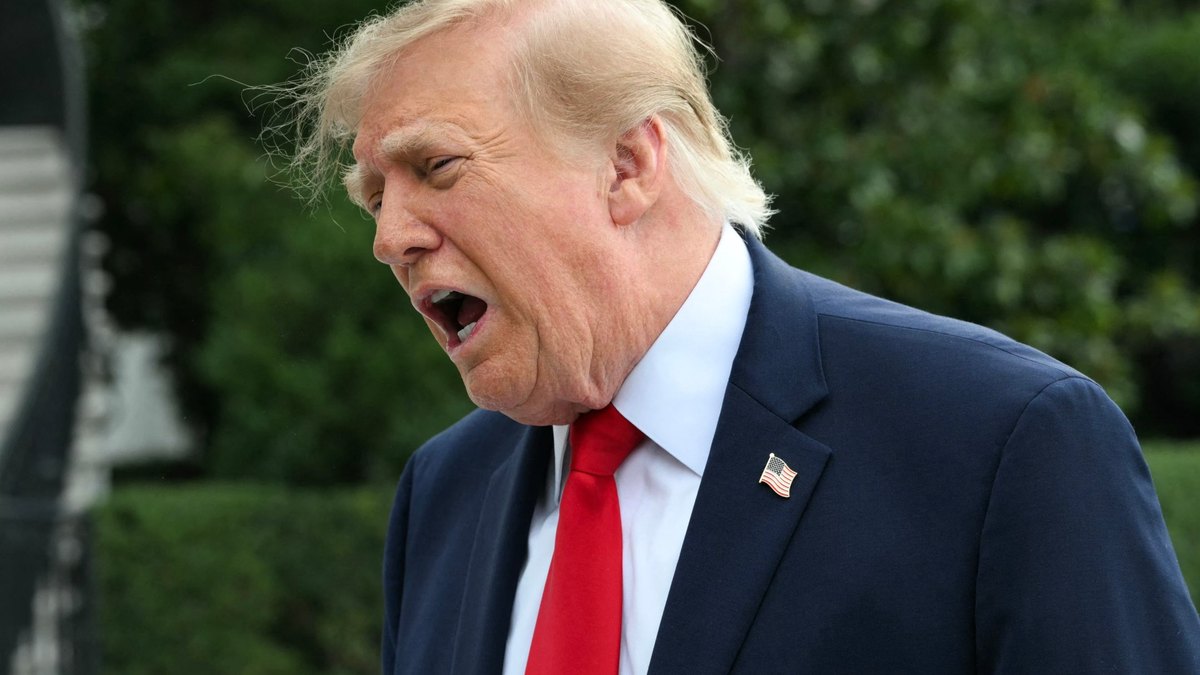
Madaxweynaha Mareykanka Donald Trump ayaa sheegay in caqabadaha AI ay yihiin 'dhaq-dhaqaaq' oo aan loo baahnayn, isagoo sheegay in Mareykanku uu ka horreeynayo Shiinaha. Trump ayaa isaguna ka hadlaya kulanka Qaramada Midoobay, wuxuu sheegay inay diidi doonaan 'qorshe caalami ah' oo lagu xakameynayo AI.
Shiinaha ayaa isaguna diiday in la yareeyo horumarinta AI, waxayna sheegtay in caqabadaha ay ka yimaadaan 'dhibaatooyinka amniga' iyo 'xogta siyaasadeed'. Wasiirka Amniga Shiinaha Chen Yixin ayaa sheegay in 'kooxo aduunka' ay isticmaalaan AI si ay u sameeyaan 'warar siyaasadeed' oo aan sax ahayn.
Hoggaamiyayaasha AI waxay codsadeen in la yareeyo koritaankeeda
Dario Amodei oo ah hoggaamiyaha Anthropic iyo Sam Altman oo ah hoggaamiyaha OpenAI ayaa codsaday in la yareeyo horumarinta AI, waxayna sheegeen in loo baahan yahay in la xakameeyo AI. David Krueger oo ka tirsan Jaamacadda Montreal ayaa sheegay in loo baahan yahay 'moratorium' oo aan la xakameyn karin AI.
Jensen Huang oo ah hoggaamiyaha Nvidia iyo Mark Zuckerberg oo ah hoggaamiyaha Meta ayaa sheegay in AI ay leedahay faa'iidooyin badan, waxayna sheegeen in aan loo baahnayn in la xakameeyo AI. Otto Barten oo ah hoggaamiyaha Existential Risk Observatory ayaa sheegay in AI 'ha noqon' mid aad u xoog badan.
Xaaladda guud ee khilaafka AI ee labada dal
Alvin Wang Graylin oo ka tirsan Jaamacadda Asia Society ayaa sheegay in labada dal ay leeyihiin 'dhammaan barnaamijyada AI' iyo 'badankood model-ka'. Wuxuu sheegay in 'xakameynta AI' ay tahay 'shuruud muhiim ah' oo loo baahan yahay.
Henry Gao oo ka tirsan Jaamacadda Singapore ayaa sheegay in 'khilaafka' uu ka dhexeeyo labada dal uu ka yimaado 'dhibaatooyinka amniga' iyo 'xogta siyaasadeed'. Jiang Tianjiao oo ka tirsan Jaamacadda Fudan ayaa sheegay in kulanka Trump iyo Xi uu yahay 'sida ugu fiican' ee loo baahan yahay.
As artificial intelligence experts sound the alarm over catastrophic and existential threats, the two nations driving the technology have dismissed calls for a slowdown, even ahead of a third annual summit between their leaders.
Superpowers Clash Over AI Governance
US President Donald Trump and Chinese President Xi Jinping are set to meet in Washington on Wednesday for the third time this year, yet expectations for meaningful cooperation on AI safety remain low. Trump has dismissed fears about artificial intelligence as a 'conspiracy' and told the United Nations General Assembly that Washington would oppose any 'globalist scheme' to control the technology.
China has taken a more regulatory approach, releasing the third iteration of its AI security framework this month, but has similarly rebuffed calls for a slowdown. Chinese officials have dismissed existential risks aired in Silicon Valley as 'fearmongering', focusing instead on cybersecurity and the authority of the ruling Communist Party.
Experts Demand Urgent International Action
AI leaders such as Anthropic CEO Dario Amodei and OpenAI CEO Sam Altman have called for a slowdown and greater regulation, while some experts argue development should be paused outright. David Krueger, an assistant professor at the University of Montreal, called for an 'immediate, indefinite international moratorium on frontier AI development', warning that international coordination is absolutely critical.
Otto Barten, director of the Existential Risk Observatory, said 'AI must never get powerful enough for recursive self-improvement', identifying it as a critical tipping point. Meanwhile, Nvidia CEO Jensen Huang and Meta CEO Mark Zuckerberg have played down the need for external oversight, emphasising AI's potential to deliver transformative benefits for society.
Divergent Views Complicate Cooperation
Analysts say a fundamental mismatch exists in how Washington and Beijing view AI risks. Henry Gao, an expert at Singapore Management University, noted that while the US focuses on catastrophic risks from AI escaping human control, China's concerns are more geopolitical, fearing the US could gain a decisive advantage.
So far, the only proposals publicly floated by either side have been a US-China dialogue and a notification mechanism for reporting national security threats. Experts warn that without agreement on off-limits AI capabilities, the technology could spiral out of control, with verification remaining a significant challenge.
Ilaha iyo xuquuqda sawirka
Sawir: Al Jazeera English Xigasho