
Ma Ku Guuleysanaysaa Maraykanka Ciyaaraha Barwaaqo-sooranka AI-ga ee China?
Shirkadaha AI ee Maraykanka waxay si weyn uga cabsanayaan tiknoolajiyadda AI ee China oo aad u sahlantahay, iyadoo hoggaamiyayaasha qaar ay u baaqeen in dowladda Maraykanka tallaabo qaaddo. Maraykanku wuxuu hore uga joojiyay iibka chip-yada China, balse shirkadaha AI ee Maraykanka waxay u baahan yihiin in la joojiyo model-yada AI ee China.
Xadidaadka iibka chip-yada
Maraykanku wuxuu hore uga joojiyay iibka chip-yada China, waxaana la sameeyay mashaariic sida Pax Silica oo loogu talagalay in la ilaaliyo xiriirka tiknoolajiyadda AI. 23 dowladood iyo Midowga Yurub ayaa ku biiray mashaariicdan. Laakiin, shirkadaha AI ee Maraykanka waxay u baahan yihiin in la joojiyo model-yada AI ee China.
Maraykanku wuxuu hore uga joojiyay iibka chip-yada China, waxaana la sameeyay mashaariic sida Pax Silica oo loogu talagalay in la ilaaliyo xiriirka tiknoolajiyadda AI. 23 dowladood iyo Midowga Yurub ayaa ku biiray mashaariicdan. Laakiin, shirkadaha AI ee Maraykanka waxay u baahan yihiin in la joojiyo model-yada AI ee China.
Dhibaatada shirkadaha Maraykanka
Shirkadda chip-yada Maraykanka ee Nvidia waxay ka soo horjeedaa xadidaadaha chip-yada, waayo China waa suuq weyn oo shirkaddu ka faa'iideysato. Hoggaamiyaha shirkadda, Jensen Huang, wuxuu sheegay in xadidaaduhu ay noqdeen 'khalad' oo dhaqaale ku dhacay shirkadaha Maraykanka.
Shirkadda chip-yada Maraykanka ee Nvidia waxay ka soo horjeedaa xadidaadaha chip-yada, waayo China waa suuq weyn oo shirkaddu ka faa'iideysato. Hoggaamiyaha shirkadda, Jensen Huang, wuxuu sheegay in xadidaaduhu ay noqdeen 'khalad' oo dhaqaale ku dhacay shirkadaha Maraykanka.
Kharashka dhulka tooska ah
China waa dalka ugu weyn ee adduunka ee leh dhulka tooska ah, waxaana ay ka jawaabaysaa xadidaadaha Maraykanka inay joojiso iibka dhulka tooska ah ee Maraykanka. Tani waxay keentay in Maraykanku uu ku guulaysto inuu ka baxo dhulka tooska ah ee China, laakiin weli ma aysan gaarin.
China waa dalka ugu weyn ee adduunka ee leh dhulka tooska ah, waxaana ay ka jawaabaysaa xadidaadaha Maraykanka inay joojiso iibka dhulka tooska ah ee Maraykanka. Tani waxay keentay in Maraykanku uu ku guulaysto inuu ka baxo dhulka tooska ah ee China, laakiin weli ma aysan gaarin.
As China's affordable artificial intelligence advances, American tech leaders are pressing Washington to act. Yet export controls, alliance fatigue, and Beijing's rare earth dominance complicate a strategy that may already be failing.
The Limits of Chip Embargoes
Washington has imposed sweeping restrictions on chip sales to China and launched the Pax Silica initiative last year, with 23 US states and the European Union joining the effort to secure AI supply chains that exclude Beijing. Despite these measures, China's frontier AI models remain heavily dependent on imported chips, chip-designing software, and chipmaking equipment.
In June, the US government closed a loophole that allowed Chinese companies to purchase advanced chips through overseas subsidiaries. However, US chip giant Nvidia opposes the restrictions, with CEO Jensen Huang calling them a 'failure' that has cost American companies billions. Christophe Fouquet, CEO of Dutch firm ASML, has also questioned whether restricting advanced chipmaking equipment would merely push China to accelerate its own development.
Allies and the Risk of Policy Fatigue
The success of US export controls depends heavily on the willingness of allies to cooperate, yet advanced chips are produced across multiple nations, combining US design, Dutch and Japanese equipment, and Taiwanese manufacturing. US allies, burdened by steep commercial costs imposed for Washington's national security, may develop policy fatigue and begin investing in alternative supply chains to bypass US technology and regulations entirely.
This tension is compounded by the fact that Chinese open-source AI models have become indispensable to the US tech industry. This year, nearly 200 US startups sent letters to the Trump administration arguing that banning access to advanced Chinese AI models would cripple American startups and leave the market dominated by a few AI giants.
Beijing's Rare Earth Leverage
China holds the world's largest rare earth reserves and accounts for 91 percent of global rare earth separation and refining production. Last year, Beijing banned the export of heavy rare earths to the US, forcing Washington to call a quick truce that suspended the ban for a year. Since then, US efforts to wean itself off Chinese rare earths have been unsuccessful.
China's economic dominance in rare earths extends beyond chipmaking; these materials are also critical for weapons ranging from F-35 fighter jets to anti-ballistic missile defence systems. With the US army having nearly drained its interceptor stockpiles in a previous conflict with Iran, Washington cannot afford to enter a new round of confrontation unprepared.
Ilaha iyo xuquuqda sawirka
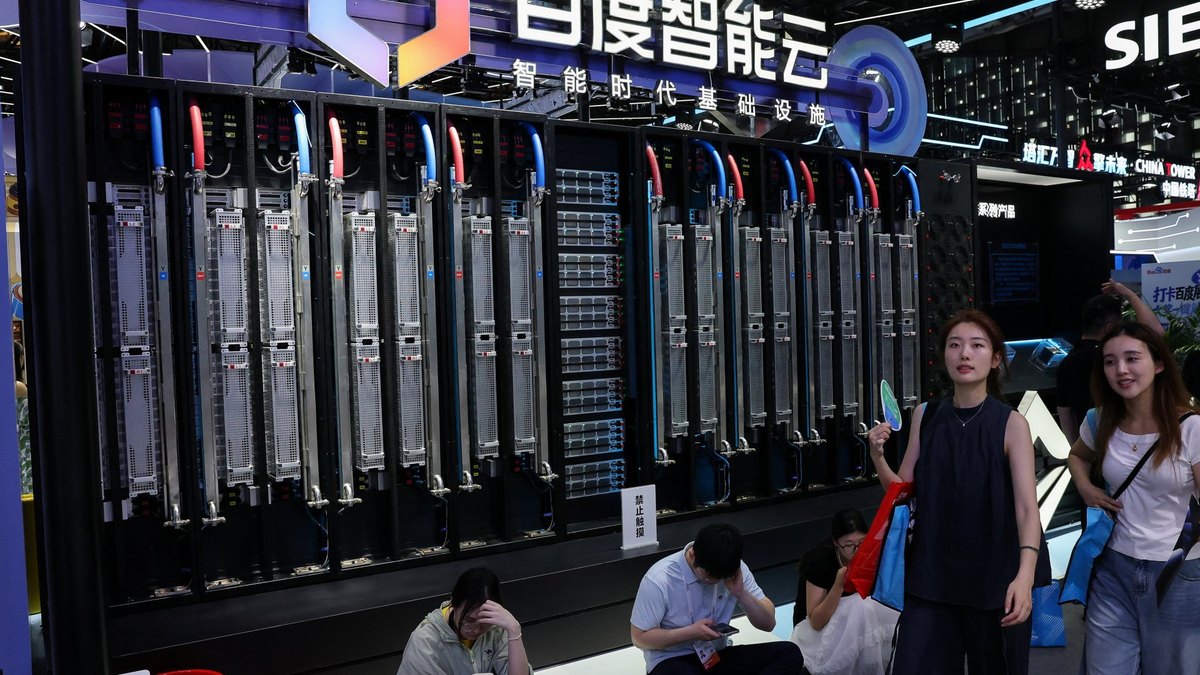
Sawir: Al Jazeera English Xigasho