
Majilismadda Mareykanka waxay meel ka dhigteen qorshaha lagu ilaalinayo ciyaaraha barwaaqo-sooranka, laakiin horumarka wuxuu ku xiran yahay guri kale
Majilismadda Mareykanka ayaa maanta galabtiis ku meel dhigtay qorshaha lagu ilaalinayo ciyaaraha barwaaqo-sooranka (Protect College Sports Act) iyadoo 77-22 ku doortay in la meel dhigo, balse wuxuu u socdaa guri kale oo aad u adag.
Qorshaha iyo xaqiiqooyinka uu ka samaynayo
Qorshahan ayaa u ogolaanaya NCAA inay hesho xafiis ka baxsan sharciyada ganacsiga, taasoo ka dhigaysa inay kordhin karto lacagta ay bixiyaan ciyaartoyda, iyadoo ciyaartoydu ay u ogolaan doonaan inay mar kale u wareegaan meel kale iyadoo aan waxba la qaban.
Sidoo kale, qorshahan wuxuu xaqiijinayaa qorshayaasha NCAA ee cusub ee ku saabsan muddo shan sano ah oo ciyaartoydu ku ciyaari karaan, taasoo bilaabata marka ay dhamaadaan dugsiga sare ama ay noqdaan 19 jir.
Isbedelada iyo khilaafaadka ka dhashay
Majilismaddu waxay ka diideen inay kordhiyaan lacagta ay macallimiintu ka helaan dugsiga, iyadoo 52-47 ku doortay inay diidaan, balse waxay kordhiyeen muddada ay ciyaartoydu u baahan yihiin inay ku biiraan kooxaha cusub.
Sidoo kale, waxay kordhiyeen lacagta ay dugsigu bixiyaan ciyaartoyda ka dhan ah $21.5 milyan ilaa $49 milyan, iyadoo waxyaabaha kale ee macmal iyo macaamiisha laga diiday in la kordhiyo.
Haddii qorshahan uusan guuleysan guri kale
Haddii qorshahan uusan guri kale ka guuleysan, wuxuu u baahan doonaa inuu dib u bilowdo, iyadoo guryaha ayaa bilaabi doona 9-kii November, balse waa inuu ka horreeyaa doorashada dhexe ee November.
Cory Booker ayaa sheegay in qorshahan uu ka dhigayo ciyaartoyda inay noqdaan kuwo aan la ilaalin, iyadoo waxyaabaha kale ee macmal iyo macaamiisha laga diiday in la kordhiyo.
The U.S. Senate voted 77-22 on Monday night to pass the Protect College Sports Act, sending the legislation to the House of Representatives where it faces a narrow window before the midterm elections close the lame-duck session.
A Bipartisan Victory for College Sports Reform
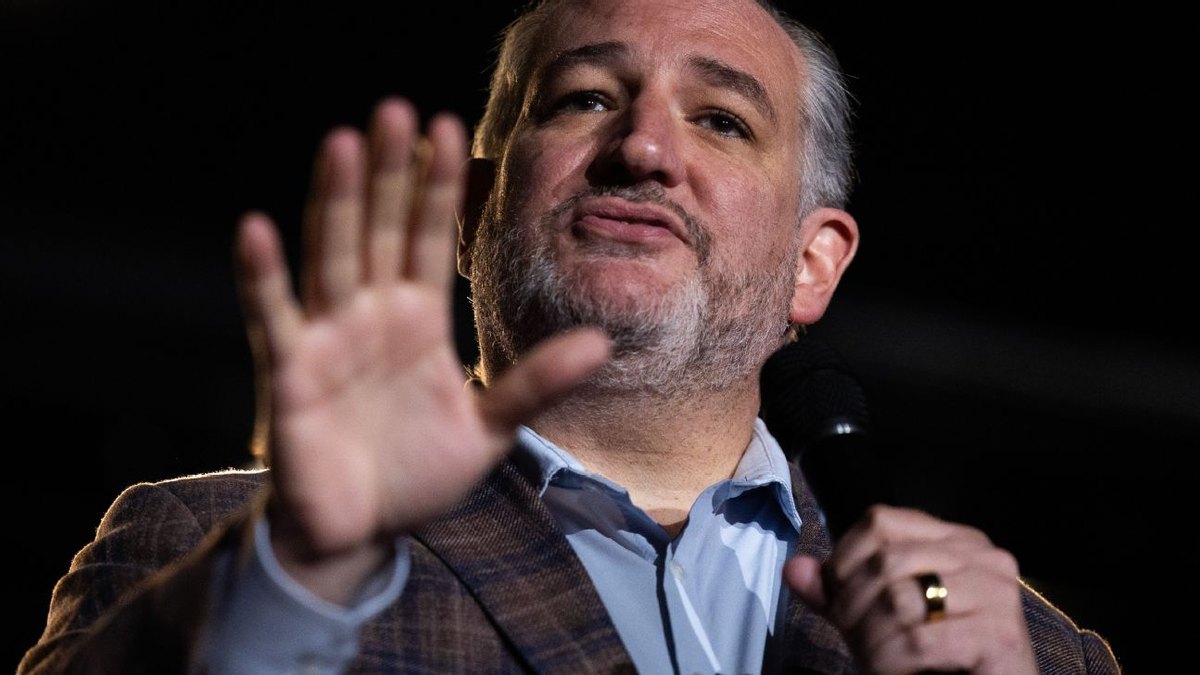
Sen. Ted Cruz, R-Texas, said the Senate aimed for a strong bipartisan vote rather than a slim margin, reflecting the bill's significance in preserving college sports. NCAA president Charlie Baker praised student-athletes for their advocacy in moving the legislation forward. The vote also included seven amendments, with one requiring athletic departments to disclose foreign government investments.
The bill grants the NCAA an antitrust exemption to enforce spending caps on athlete payments and other rules weakened by legal challenges. Under the law, athletes could transfer only once without penalty, and a five-year competition window would begin when they graduate high school or turn 19. Critics, including Sen. Cory Booker, argued the bill does not fully protect athletes' rights.
Conference Realignment and Spending Caps Draw Mixed Reactions
The bill caps Power 4 conference membership at 20 schools, with a three-year waiting period for schools switching leagues, set to expire in 2031. The Big Ten and SEC successfully lobbied to raise the direct player payment cap from $21.5 million to $49 million, with $5 million reserved for non-revenue sports. However, the bill does not address soaring costs for salaries, facilities, or other expenses.
A separate amendment to increase a medical care fund for former athletes from $100 million to $200 million fell one vote short. Sen. Maria Cantwell emphasized the need to stop the spending arms race, while Sen. Eric Schmitt noted the bill's expiration dates leave room for future reforms. The legislation remains neutral on employment, a key issue for athlete unionization efforts.
House Approval Faces Timing and Political Challenges
The bill must pass the House during the lame-duck session before a new Congress takes over in January, or the process would restart. House representatives are not scheduled to vote until after November's midterm elections, with the next session beginning Nov. 9. Speaker Mike Johnson and other leaders will determine whether the legislation can advance in the remaining five weeks of November and December.
Supporters argue the bill provides stability to an industry struggling to enforce its own rules since a 2021 Supreme Court ruling. Opponents, including the AFL-CIO, contend that collective bargaining agreements are the proper path for athlete protections. The employment question remains a significant hurdle, with Cruz acknowledging it was a compromise to secure Senate passage.
Ilaha iyo xuquuqda sawirka
Sawir: ESPN Xigasho