
Muqdisho: 40 Arday oo Cilmi-baaris Caalami ah ku Daabacday Joornaallo La Aqoonsan yahay
Xarunta Jaamacadda Ummadda Soomaaliyeed ee Muqdisho ayaa maanta ku maamuustay 40 arday Soomaaliyeed oo qoraallo cilmi-baaris ah oo ay ka diyaariyeen xaaladda dalka ku daabacday joornaallo caalami ah oo la aqoonsan yahay, iyadoo munaasabaddu ay ahayd mid sannadle ah oo lagu dhiirrigelinayo da’yarta aqoonta ku foogan.
Munaasabaddii Koowaad ee Cilmi-baarista iyo Hal-abuurka
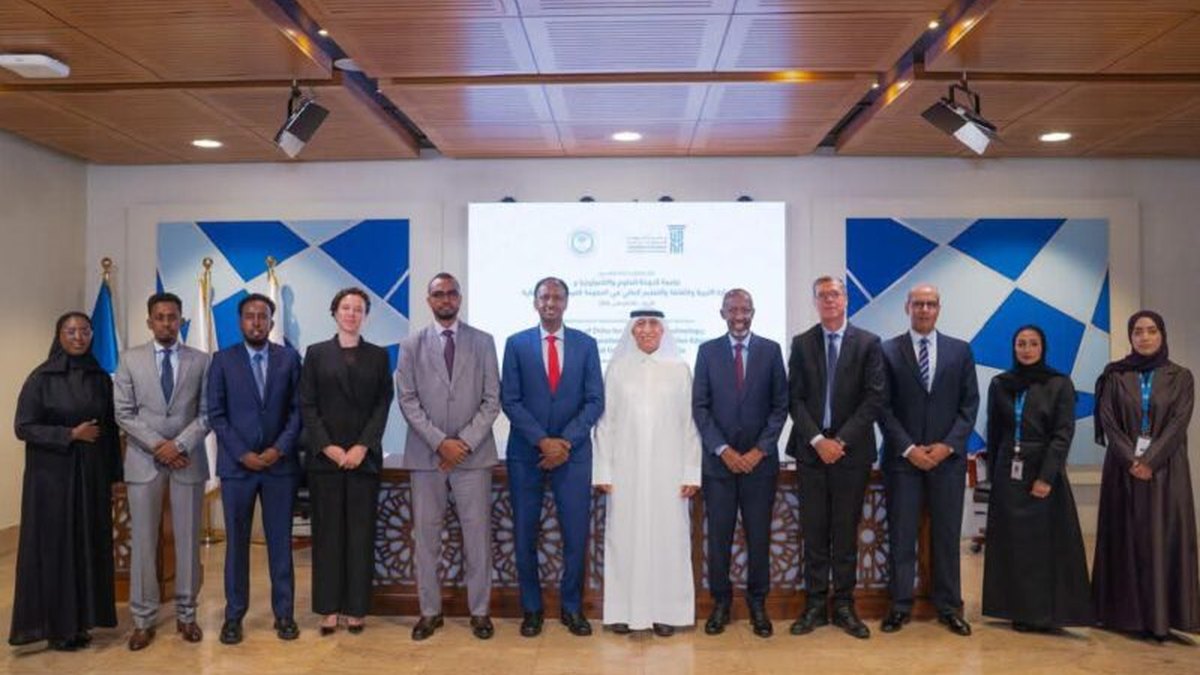
Munaasabaddan oo ka dhacday xarunta Jaamacadda Ummadda Soomaaliyeed ee magaalada Muqdisho, ayaa waxaa soo qabanqaabiyay xarunta Benaadir Research, Consultancy and Evaluation Center, waxaana ka qaybgalay bahda waxbarashada oo ay ku jiraan mas’uuliyiin ka socday Wasaaradda Waxbarashada, hoggaanka jaamacadaha, cilmi-baarayaal sar-sare, iyo ardayda wax ka barata dalka.
Qabanqaabiyeyaasha madasha ayaa sheegay in qorshahani uu yahay mid sannadle ah oo lagu dhiirrigelinayo da’yarta aqoonta ku foogan, si kor loogu qaado tayada cilmi-baarista dalka iyo doorka ay ardaydu ku leeyihiin xallinta caqabadaha horyaalla bulshada Soomaaliyeed.
Qoraallada Cilmi-baaris ee La Daabacay
Ardayda la maamuusay ayaa ka mid ah kuwa qoraallo cilmi-baaris ah oo ay ka diyaariyeen xaaladda dalka ku daabacday joornaallo caalami ah oo la aqoonsan yahay, taasoo muujinaysa in Soomaaliya ay haysato arday awood u leh inay soo saaraan baaris la taaban karo oo caalamka loo aqoonsan yahay.
Haddana warbixinta maanta lagu soo bandhigay ma xusin magacyada 40-ka arday ee la abaalmariyay, noocyada joornaallada caalamiga ah ee lagu daabacay qoraalladooda, iyo hab-raacii loo maray qiimeynta tayada cilmi-baaristooda.
Dhiirrigelinta Da’yarta Soomaaliyeed
Munaasabaddan ayaa ah mid muhiimad weyn leh, waxayna ku salaysan tahay in Soomaaliya ay haysato da’yaro aqoonta ku foogan oo diyaar u ah inay ka qayb qaataan horumarka dalka, iyadoo qorshahan sannadle ah uu noqon doono mid lagu xoojinayo aqoonta iyo cilmi-baarista.
Waxaa sidoo kale ka qaybgalay hoggaanka jaamacadaha iyo mas’uuliyiin ka socday Wasaaradda Waxbarashada, iyadoo munaasabaddu ay noqotay mid lagu soo bandhigayay guulaha ardayda Soomaaliyeed ee cilmi-baarista.
Forty Somali students were recognized Thursday at the country's first-ever Science and Innovation Summit, held at the Somali National University in Mogadishu, after their research papers on national challenges were published in internationally recognized journals.
The First National Science and Innovation Summit
The ceremony took place on Thursday, September 10, 2026, at the Somali National University in Mogadishu, marking the debut of a new national platform for academic excellence. Organized by the Benaadir Research, Consultancy and Evaluation Center, the event brought together education officials from the Ministry of Education, university leaders, senior researchers, and students to celebrate outstanding scholarly work.
The summit was designed as an annual initiative to encourage youth with knowledge and to improve the quality of research across the country. By spotlighting young scholars whose work addresses pressing national issues, the organizers aim to strengthen Somalia's academic community and inspire future generations of researchers.
Research Published in International Journals
The forty honored students were recognized for their research papers, which were published in internationally recognized journals. Their work focused on various challenges facing Somalia, demonstrating the growing capacity of Somali youth to contribute meaningfully to global academic discourse through rigorous, peer-reviewed scholarship.
The Benaadir Research, Consultancy and Evaluation Center highlighted the significance of this achievement, noting that the program is intended to encourage youth with knowledge and improve the quality of research in the country. The event served as a platform to showcase the potential of Somali students on the international stage.
Gaps in Reporting on the Event
Despite the importance of the summit, the available report did not include the names of the 40 honored students, the types of international journals where their papers were published, or the evaluation process used to assess the quality of their research. This lack of detail limits the ability of readers to fully understand the scope and impact of the event.
The absence of specific information about the participants and the methodology employed raises questions about transparency and accountability in the organization of the summit. Future coverage of such events should strive to provide more comprehensive details to ensure full public understanding and engagement.
Ilaha iyo xuquuqda sawirka
Sawir: Goobjoog Xigasho