

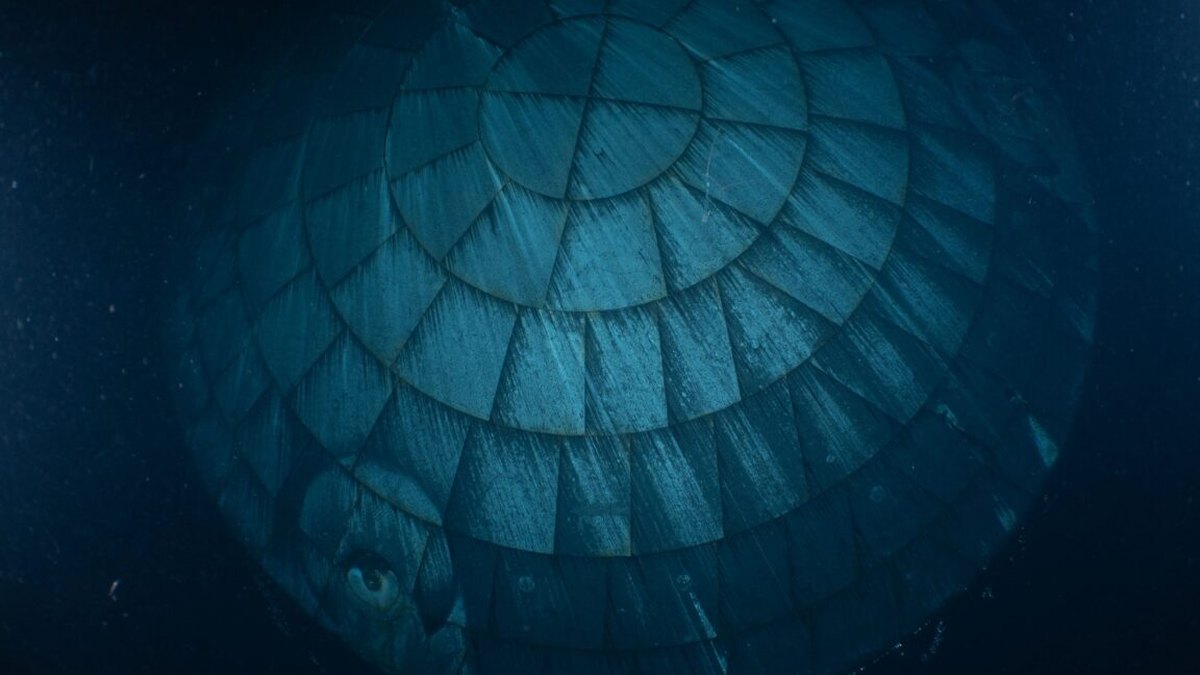
Mashruuca Artemis II ee NASA ayaa ku guuleystay inuu dib u soo laabto dhulka, iyadoo dhismaha qorraxda (heat shield) ee ku yaalla dhinaca hoose ee waqtiyada uu ahaa mid aad u muhiim ah, laakiin wuxuu ahaa mid aad u muhiim ah.
Dhismaha qorraxda oo ahaa mid aad u muhiim
Mashruuca Artemis II ee NASA ayaa ku guuleystay inuu dib u soo laabto dhulka, iyadoo dhismaha qorraxda (heat shield) ee ku yaalla dhinaca hoose ee waqtiyada uu ahaa mid aad u muhiim ah, laakiin wuxuu ahaa mid aad u muhiim ah.
Dhismaha qorraxda ayaa loo sameeyay inuu qorraxdo (char) markii uu dib u soo laabto, si loo ilaaliyo ciidamada, laakiin wuxuu ahaa mid aad u muhiim ah.
Artemis I iyo Artemis II: Farsamooyin kala duwan
Kadib mashruuca Artemis I ee 2022, waxaa la arkay inay jiraan in ka badan 100 meelood oo qorraxdo ah dhismaha qorraxda, iyadoo qaar ka mid ah kuwaas ay yihiin in ka badan calaamadda.
Artemis II ayaa la arkay inay jiraan in ka badan 9 meelood oo qorraxdo ah, taas oo ah in ka badan tijaabada hore, iyadoo la sheegay inay ahaayeen mid aad u muhiim ah.
Guusha Artemis II iyo mustaqbalka
Ciidamada Artemis II, oo hoggaamiye ah Reid Wiseman, ayaa ku guuleystay inay dib u soo laabto dhulka, iyadoo dhismaha qorraxda uu ahaa mid aad u muhiim ah.
Guusha Artemis II ayaa siin doonta NASA aqoonsi ku saabsan in dhismaha qorraxda uu shaqeynayo si fiican, taas oo ka dhigan inay u diyaar garowdo mustaqbalka.
NASA's Artemis II mission has vindicated the Orion spacecraft's ablative heat shield, which had drawn criticism after a test flight in late 2022 revealed significant material loss. The shield performed as designed during reentry, protecting the crew during their historic lunar flyby and splashing down safely in the Pacific Ocean.
Shield Performance Far Surpassed Earlier Concerns
The Artemis II heat shield, an ablative system designed to char and protect the crew during atmospheric reentry, delivered results that far exceeded expectations. Commander Reid Wiseman and his crew splashed down safely in the Pacific Ocean after completing a successful trip around the Moon, confirming the shield's effectiveness.
During a NASA Aerospace Safety Advisory Panel meeting at the Ames Research Center in California, panel member Paul Hill described the condition of the heat shield as 'highly satisfying,' noting that the mission had validated the design despite earlier controversies.
Dramatic Improvement Over Artemis I Damage
After the Artemis I mission in 2022, more than 100 char loss sites were observed across the dish-shaped heat shield, some exceeding an inch in depth. In contrast, the Artemis II heat shield showed only approximately nine char loss sites, representing a substantial improvement in material retention.
Hill, former director of Mission Operations at NASA, stated that the reduction in damage was 'a big improvement,' reflecting the success of NASA's decision to fly the shield as is while modifying the spacecraft's reentry trajectory to reduce thermal stress.
Confidence Boost for Future Deep-Space Missions
The successful performance of the Artemis II heat shield provides NASA with renewed confidence in the Orion spacecraft's ability to protect crews during future lunar missions. The extensive data review conducted after the mission has confirmed the shield's reliability under real-world conditions.
This milestone is expected to accelerate NASA's plans for Artemis III and beyond, as the agency gains assurance that its deep-space vehicle can withstand the extreme thermal environment encountered during reentry through Earth's atmosphere.
Ilaha iyo xuquuqda sawirka
Sawir: Ars Technica Xigasho