
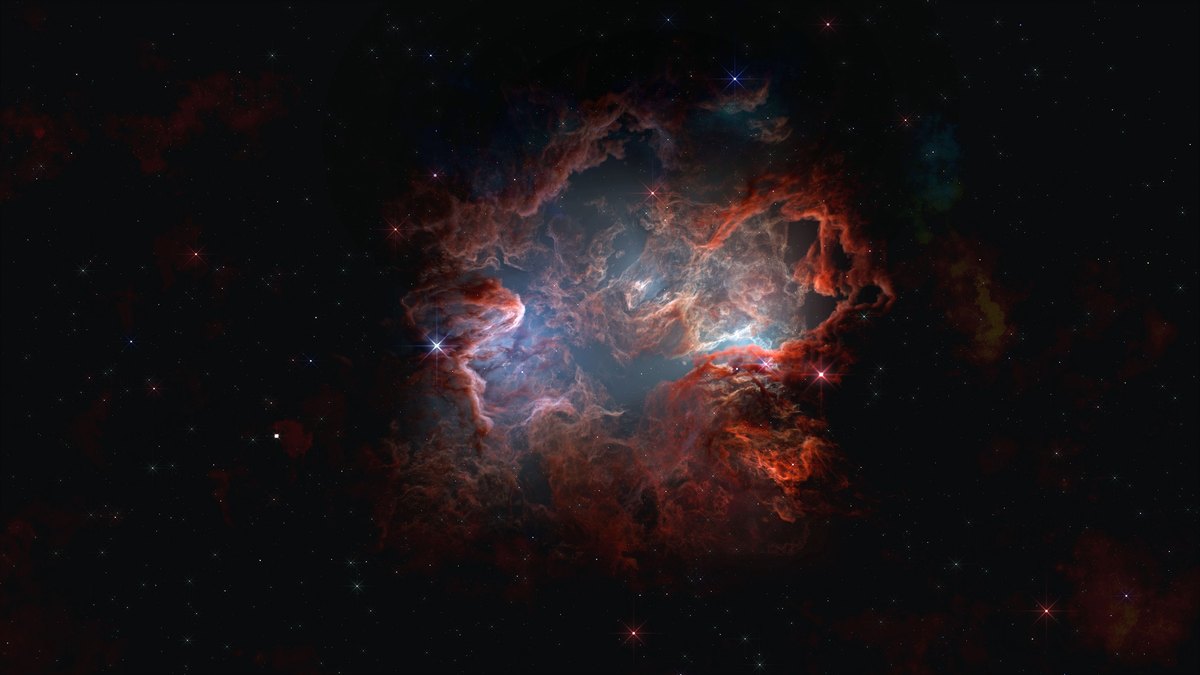
Tijaabo cusub oo ku saabsan plasma quark-gluon ayaa muujisay in ay ka dhalan karto isku dhacyo aan culusayn
Marka loo eego cilmi-baarista CERN, plasma quark-gluon waxaa laga dhalin karaa isku dhacyo yaryar oo adeegsanaya ogsijiin-16 iyo neon-20. Waxyaabahan waa ka yar inta tobnaad ee miisaanka atamka lead, kaas oo hore loo arkayay mid ka mid ah kuwa ugu fudud ee dhalin kara QGP.
Asalka QGP iyo Xiriirka Quarks
Qiyaastii milyan-meer meel ilbiriqsi ka dib bangiga weyn, koonku wuxuu ahaa maro kulul oo cufan oo saynisyahannadu u yaqaannaan quark-gluon plasma (QGP). Inta lagu guda jiro milyan-meeraha ugu horreeya ee koonka, quarks iyo gluons ma aysan ku xannibanayn protons iyo neutrons, laakiin waxay sameeyeen plasma aad u kulul.
Quarks waa waxyaabaha ka kooban protons iyo neutrons, kuwaas oo ah dhismayaasha atomka iyo sidaas darteed walxaha oo dhan. Gluons-na waa kuwa isku xira quarks-ka. Markii koonku balaadhacay, walxaha ayaa qaboojisay, quarks-na waxay isu geynayeen qaybo waaweyn.
Tijaabada CERN iyo Natiijada Laga Helay
CERN waxay muujisay in QGP la abuuri karo iyadoo la adeegsanayo ogsijiin-16 iyo neon-20, kuwaas oo ka yar inta tobnaad ee miisaanka atamka lead. Isku dhacyadii waxay soo saareen calaamado la socda dhaqanka laga filayay ee QGP, muddo yar waxyaabaha la abuuray ayaa u muuqday inay sida dareere u ballaaranayeen ka hor inta aysan qaboojin.
Daraasadda waxaa lagu daabacay Physical Review Letters. You Zhou, oo ka tirsan Niels Bohr Institute ee Nederland, ayaa sheegay: 'We have pushed the boundary for how small the atomic nuclei can be while still re-creating this primordial matter—what you could call a "little big bang." We now know more about the fundamental conditions required for matter to transition into this extreme state.'
Ujeedada Cilmi-baarista Mustaqbalka
Fisikisyahannadu hadda waxay isku dayayaan inay fahmaan xadka QGP, waxayna baarayaan inta ay hoos u dhigi karaan isku dhaca iyadoo weli la arkayo ururino qaybaysan oo u dhaqma sida dhibic dareere ah. Tani waxay caawinaysaa fahamka xilliyadii ugu horreeyay ee koonka.
Zhou wuxuu intaa ku daray: 'Hopefully, this will help us better understand how the plasma behaved during the first moments of the universe—and how it later evolved into the forms of matter that everything around us is made of.' Tani waxay ka timid qoraal asalkiis ah WIRED en Español.
CERN has demonstrated that quark-gluon plasma can be created using oxygen-16 and neon-20 nuclei, dramatically shrinking the scale of collisions needed to recreate the primordial state of matter that existed a millionth of a second after the Big Bang.
A Microcosmic Big Bang
For a brief instant after the Big Bang, the universe was a seething, ultra-hot soup of quarks and gluons known as quark-gluon plasma (QGP). For years, scientists at CERN have been able to recreate this extreme state of matter, but only by smashing together heavy atomic nuclei such as lead.
Now, researchers have shown that the same primordial plasma can be produced using much lighter elements. The new experiment used oxygen-16 and neon-20, both of which weigh less than a tenth of a lead atom, pushing the boundary of how small a collision can be to generate this exotic matter.
Fluid-Like Expansion in a Tiny Collision
Despite the drastically reduced size of the nuclei involved, the collisions produced signals consistent with the behavior expected from QGP. For a fleeting moment, the generated matter expanded collectively like a fluid before cooling and reverting into individual particles.
Physicists are now probing the limits of this strange state of matter, seeking to understand exactly how much they can scale down a collision while still observing a collection of particles that behaves like a drop of fluid.
Unlocking the Universe's First Moments
You Zhou, a researcher at the Niels Bohr Institute in the Netherlands and a coauthor of the study, stated that the team has pushed the boundary for how small atomic nuclei can be while still re-creating this primordial matter.
Zhou added that the findings will hopefully help scientists better understand how the plasma behaved during the first moments of the universe and how it later evolved into the forms of matter that everything around us is made of.
Ilaha iyo xuquuqda sawirka
Sawir: Wired Xigasho