
Somaliya Ku Biiray Tababar Saddexaad oo La Saftay Maamulka Aqoonsiga iyo Xasiloonida Dhaqaalaha ee Nairobi
Somaliya waxay ku biiray tababar saddexaad oo la saftay maamulka aqoonsiga iyo xasiloonida dhaqaalaha, kaas oo ka socda magaalada Nairobi, Kenya, bishii September 2026. Tababarkan wuxuu isku xiray wasiirro ka socday hay'adaha NIRA, ICA, iyo CID, iyadoo la xiriiray hay'adaha Kenya.
Arimaha Muhiimka ah ee Tababarka
Tababarkan wuxuu ku saabsan yahay xirfadaha farsamada ee baaritaanka waraaqaha, xaqiijinta aqoonsiga, iyo isku-xirka muuqaalka. Wasiirka NIRA, H.E. Abdiwali Ali Abdulle, wuxuu sheegay in xirfadahan ay muhiim u yihiin xasiloonida dhulka iyo baaritaanka dambi-baxayaasha.
Tababarkan wuxuu ku saabsan yahay xirfadaha farsamada ee baaritaanka waraaqaha, xaqiijinta aqoonsiga, iyo isku-xirka muuqaalka. Wasiirka NIRA, H.E. Abdiwali Ali Abdulle, wuxuu sheegay in xirfadahan ay muhiim u yihiin xasiloonida dhulka iyo baaritaanka dambi-baxayaasha.
Qaybaha Ka Qaybqaatay Tababarka
Tababarkan wuxuu ku saabsan yahay xirfadaha farsamada ee baaritaanka waraaqaha, xaqiijinta aqoonsiga, iyo isku-xirka muuqaalka. Wasiirka NIRA, H.E. Abdiwali Ali Abdulle, wuxuu sheegay in xirfadahan ay muhiim u yihiin xasiloonida dhulka iyo baaritaanka dambi-baxayaasha.
Tababarkan wuxuu ku saabsan yahay xirfadaha farsamada ee baaritaanka waraaqaha, xaqiijinta aqoonsiga, iyo isku-xirka muuqaalka. Wasiirka NIRA, H.E. Abdiwali Ali Abdulle, wuxuu sheegay in xirfadahan ay muhiim u yihiin xasiloonida dhulka iyo baaritaanka dambi-baxayaasha.
Xiriirka Soomaaliya iyo Norway
Tababarkan wuxuu ku saabsan yahay xirfadaha farsamada ee baaritaanka waraaqaha, xaqiijinta aqoonsiga, iyo isku-xirka muuqaalka. Wasiirka NIRA, H.E. Abdiwali Ali Abdulle, wuxuu sheegay in xirfadahan ay muhiim u yihiin xasiloonida dhulka iyo baaritaanka dambi-baxayaasha.
Tababarkan wuxuu ku saabsan yahay xirfadaha farsamada ee baaritaanka waraaqaha, xaqiijinta aqoonsiga, iyo isku-xirka muuqaalka. Wasiirka NIRA, H.E. Abdiwali Ali Abdulle, wuxuu sheegay in xirfadahan ay muhiim u yihiin xasiloonida dhulka iyo baaritaanka dambi-baxayaasha.
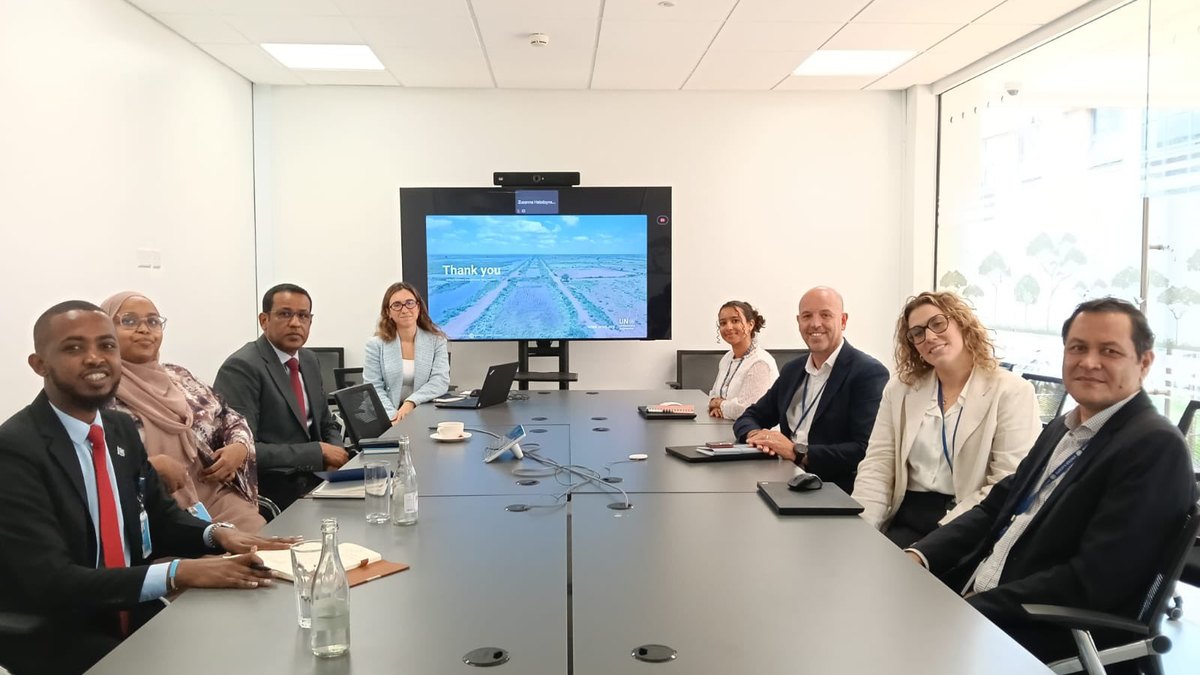
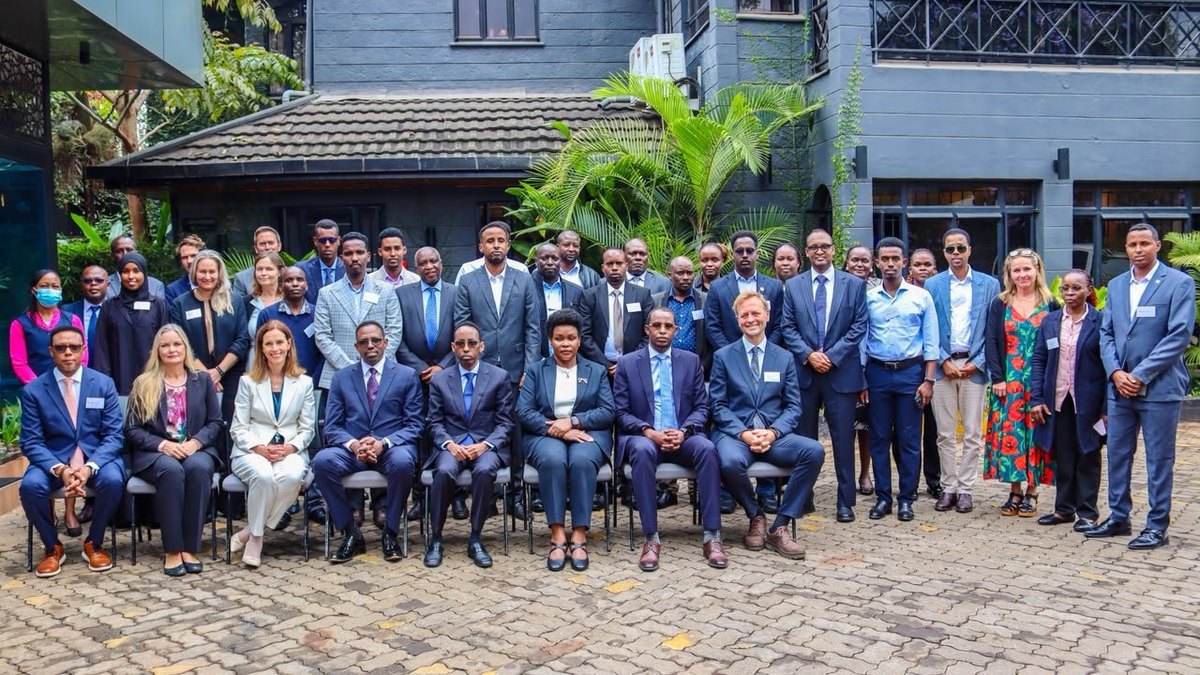
Somalia has joined officials from Kenya and Norway for the third Technical and Tactical ID-Control Training in Nairobi, aimed at strengthening expertise in document examination, identity verification and facial comparison across Somali identity, immigration and criminal investigation agencies.
Opening Ceremony Draws Somali and Kenyan Officials
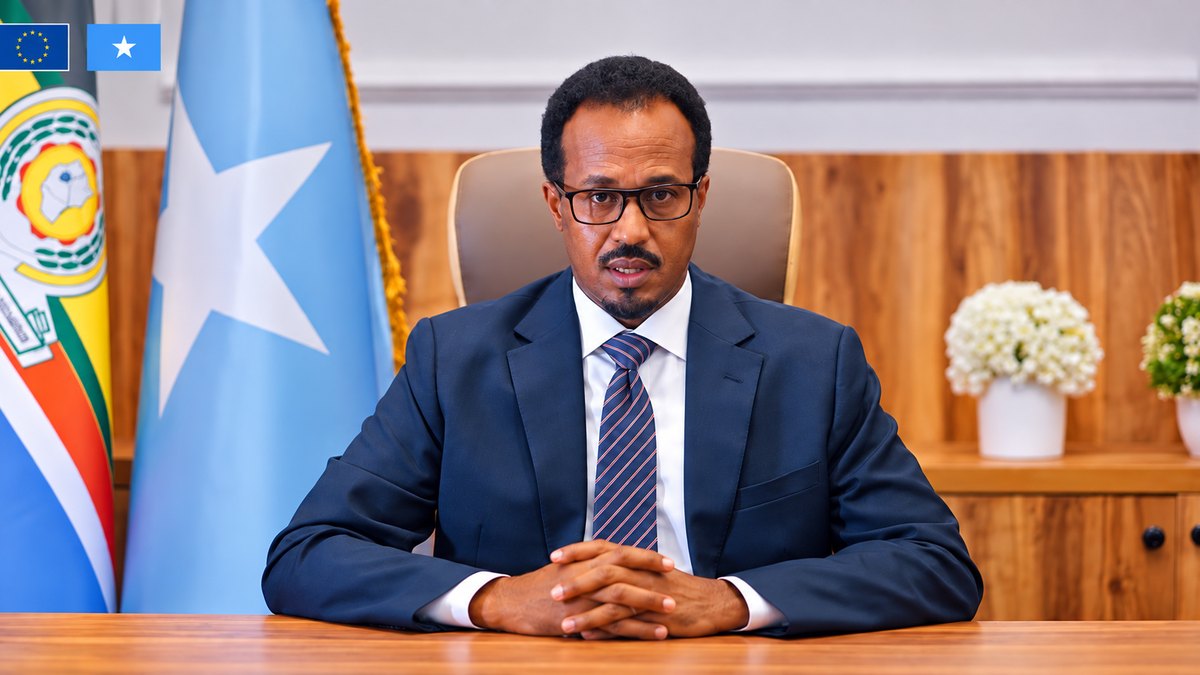
The opening ceremony was attended by NIRA Director General H.E. Abdiwali Ali Abdulle (Timacadde), ICA Director General H.E. Hussein Qasim Yusuf, CID Director Brig. Gen. Ibrahim Aadan Dhaayow, Kenya's Director General of Immigration Services Evelyn Cheluget, and Norwegian Ambassador Siv Cathrine Moe.
The gathering marked the third edition of the joint training, bringing together officials from the National Identification and Registration Authority (NIRA), the Immigration and Citizenship Agency (ICA), and the Criminal Investigation Department (CID), alongside relevant Kenyan authorities.
Focus on Strengthening Trusted Identity Systems
In his remarks, NIRA Director General H.E. Abdiwali Ali Abdulle underscored the importance of strengthening expertise in document examination, identity verification and facial comparison, noting that such technical expertise contributes to strengthening trusted identity systems, enhancing border security and supporting criminal investigations.
He added that improved identity management also supports better access to public services for Somali citizens, reflecting the broader goal of building a more secure and inclusive national identity framework.
Norwegian Partnership Supports Technical Capacity Building
The participation of NIRA, ICA and CID for the third time in the joint training reflects continued inter-agency cooperation and Somalia's partnership with the Norwegian Partnership for Migration (PfM) in advancing technical capacity in identity management and related areas.
The training runs from September 21–25, 2026, and is designed to equip Somali officials with practical skills in ID control that can be applied at borders, in criminal investigations and in the delivery of public services.